
Vegetables
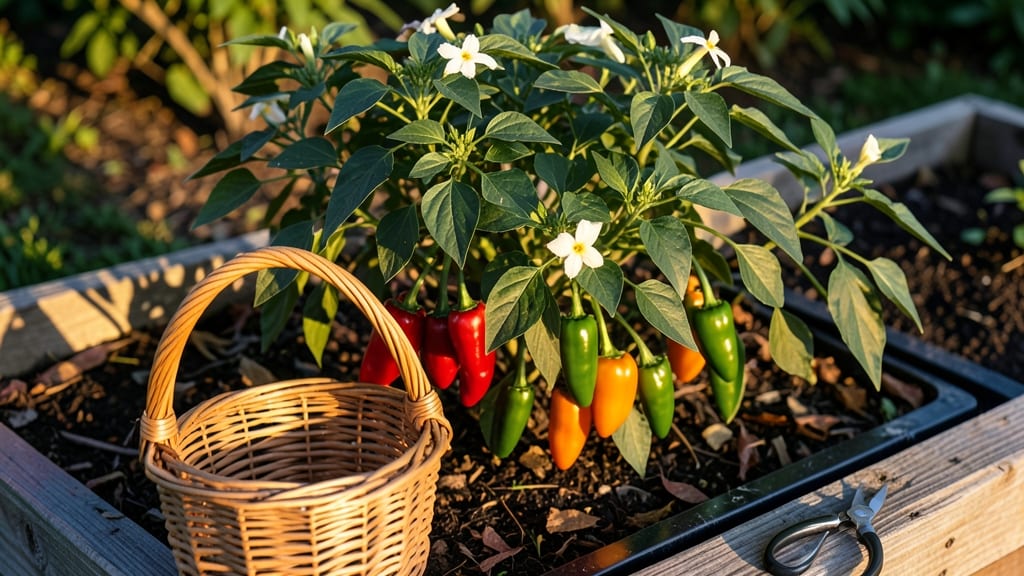
Drying hot peppers transforms your summer harvest into fiery treasures that last all year. 🌶️ I’ve dried everything from ghost peppers to jalapeños, and the secret to preserving that bold, smoky flavor starts with the right method—whether you’re air-drying, using an oven, or busting out the dehydrator.
The key? Patience and proper prep to keep them vibrant, not brittle.
You’ll need just a few simple tools: a clean, dry workspace, string or mesh screens for air-drying, or a dehydrator set to 135°F for consistent results. For oven-drying, prop the door open slightly to let moisture escape—no fancy equipment required.
The goal is to dry the peppers evenly while locking in their heat and aroma, so they’re ready to crush into flakes, grind into powders, or stuff into peppers for future dishes.
Once fully dried (they’ll be leathery but not mushy), store them in airtight containers away from light. Properly dried peppers keep for up to a year, though they’ll lose potency over time.
The reward? Homemade hot sauce, spice blends, or garnishes that taste like summer, no matter the season. Just don’t rush it—rushed drying means weak flavor and potential mold.
Here’s the game-changer: experiment with whole peppers, sliced strips, or even roasted peppers before drying to customize the texture and depth of flavor. Whether you’re a hot sauce enthusiast or just love adding heat to meals, this method turns your harvest into a pantry staple. Let’s get those peppers preserved!
📚 In This Guide
- What you need
- Instructions
- Tips and common mistakes
- Wrapping up and next steps
What you need
- ● Fresh hot peppers – Choose firm, ripe peppers (e.g., jalapeños, habaneros, or cayenne). Aim for at least 1 lb (450g) for a good batch.
- ● Clean cutting board – A large, sturdy board (12"x18" or bigger) to handle slicing.
- ● Sharp knife – A chef’s knife or serrated knife for clean cuts (avoid dull blades to prevent bruising).
- ● Drying method of choice: Dehydrator – A food-grade dehydrator with adjustable temperature settings (ideal for even drying).
- ● Oven – Preheat to 175°F–200°F (79°C–93°C) (use the lowest setting or "keep warm" function).
- ● Air-drying rack or mesh screen – For hanging or air-drying (e.g., a pepper drying rack or a wire cooling rack).
- ● Pantry space or food dehydrator trays – If using a dehydrator, ensure trays are non-toxic and food-safe.
- ● Air-tight storage containers – Glass jars with lids (quart or pint-sized) or vacuum-sealed bags for long-term storage.
- ○ Parchment paper or silicone mat – Optional but helpful for easy cleanup when using an oven.
- ● Food processor or mandoline – For uniform slicing (great for thin strips or flakes).
- ● Twine or rubber bands – To secure peppers when air-drying.
- ● Humidity monitor – Ensures your drying space stays below 60% humidity for best results.
- ● Spice grinder or mortar & pestle – For crushing dried peppers into flakes or powder later.
- ● Labeling supplies – Masking tape and markers to label jars with pepper type and date.
Step-by-step instructions for drying hot peppers
Preserving your harvest is easier than you think—just follow these simple steps.
🌿 Step 1: Select and Prepare Your Peppers
Pick peppers at their peak ripeness—when they're fully colored and slightly firm to the touch. I avoid overripe or soft ones because they won’t dry properly and may spoil. For best results, wash them gently in cool water and pat dry with a clean towel. Remove the stems by twisting them off or snipping with clean scissors—this helps the peppers dry faster and prevents mold.
Here’s the thing—don’t cut the peppers open unless you’re drying them for powder. Whole peppers retain their shape and flavor better. If you’re drying them for stuffing later, leave them intact. For a quicker drying time, you can slice them into rings or strips, but whole peppers develop deeper flavor over time.
☀️ Step 2: Choose Your Drying Method
You’ve got three great options: air-drying, oven-drying, or dehydrator-drying. Air-drying is the traditional method and the most hands-off. Hang peppers in a dry, well-ventilated spot with temperatures between 65-75°F—a pantry with a fan works well. For oven-drying, preheat to 175°F and prop the door open slightly to allow moisture to escape. Dehydrator-drying is the fastest—set to 135°F and dry for 4-6 hours until fully pliable.
Watch for wrinkling and a leathery texture. You’ll know they’re done when they bend slightly but don’t snap back. If you’re unsure, check one after 2-3 hours of drying time. Over-drying makes them brittle, while under-drying leaves them chewy and prone to mold.
⏰ Step 3: Store Dried Peppers Properly
Once fully dried, let peppers cool completely at room temperature. This prevents condensation, which can cause spoilage. Store them in an airtight container—glass jars or vacuum-sealed bags work best. Keep them in a cool, dark place like a pantry or cupboard. Properly stored, dried peppers can last for up to a year, though they’ll lose some potency over time.
Don’t skip this step—I’ve seen peppers go moldy in a matter of days just because they weren’t stored correctly. Label your containers with the pepper type and drying date. This way, you can track freshness and use the oldest peppers first. For extra shelf life, add a silica gel packet to absorb any lingering moisture.
🌶 Step 4: Rehydrate or Use Directly
To use dried peppers in cooking, you can rehydrate them by soaking in warm water for 10-15 minutes until pliable. This restores their texture and makes them easier to work with. For a quick heat boost, crumble dried peppers directly into soups, stews, or marinades. They’ll infuse flavor without altering the dish’s texture much.
Real talk: Dried peppers pack a stronger punch than fresh ones, so start with less if you’re sensitive to heat. You can also grind them into a powder for seasoning blends. Just pulse them in a spice grinder or mortar and pestle until finely ground. Store the powder in a sealed container away from light to preserve its potency.
Tips & tricks for perfectly dried hot peppers
These simple strategies will help you avoid common pitfalls and get the most flavor from your dried peppers.
Selection Tip: The ripeness of your peppers makes all the difference. Look for peppers that are fully colored but still firm to the touch—avoid any that feel soft or have wrinkled skin. I’ve learned this the hard way after trying to dry overripe peppers that turned mushy and moldy. Also, remove the stems completely—whether you twist or snip, this step prevents moisture buildup that leads to spoilage.
Drying Method Matters: If you’re air-drying, place your peppers in a spot with consistent temperatures between 65-75°F—a pantry with a small fan works great. For oven-drying at 175°F, prop the door open slightly to let moisture escape. This prevents steam buildup that can make your peppers soggy. And if you’re using a dehydrator at 135°F, check them after 2-3 hours—they should wrinkle slightly but still bend without snapping back.
Storage Wisdom: Once dried, let peppers cool completely before storing to prevent condensation. I’ve seen peppers develop mold within days just because they were stored too soon. Use glass jars with tight lids or vacuum-sealed bags, and keep them in a cool, dark place. Label each container with the pepper type and drying date—this helps track freshness and ensures you use the oldest peppers first.
Rehydration Hack: When rehydrating for cooking, use warm (not boiling) water and soak for 10-15 minutes. This restores their texture without overcooking them. For a quick flavor boost, crumble dried peppers directly into dishes—they’ll add heat without altering the texture much. And if you’re grinding them into powder, pulse in small batches to avoid overheating your spice grinder.
Pro Tips for Dry Hot Peppers
- These simple strategies will help you avoid common pitfalls and get the most flavor from your dried peppers.
- Selection Tip: The ripeness of your peppers makes all the difference. Look for peppers that are fully colored but sti...
- Drying Method Matters: If you’re air-drying, place your peppers in a spot with consistent temperatures between 65-75°...
Frequently asked questions
Got questions about drying hot peppers? You’re not alone! Here are answers to the most common queries to help you master the process like a pro.
How long does it take to dry hot peppers?
Drying time varies by method: air-drying takes 1–3 weeks (until leathery and crisp), oven-drying is 2–4 hours at 175°F (79°C), and dehydrator-drying is 4–8 hours. Thin peppers dry faster—slice them if needed! Check for readiness by ensuring they’re brittle and no moisture remains.
Can I speed up the drying process?
Yes! For faster results, slice peppers thinly (¼-inch or less) or use a dehydrator with airflow set to high. If oven-drying, prop the door open slightly for better ventilation. Just avoid rushing—peppers dried too quickly may lose flavor or retain moisture, risking mold.
What’s the best temperature for drying hot peppers?
The ideal range is 175–190°F (79–88°C). Higher temps can scorch peppers, while lower temps may leave them damp. For air-drying, aim for 65–85°F (18–29°C) with good airflow. Always monitor closely, especially with thin slices or sensitive varieties like habaneros.
What can I do with hot peppers if they don’t dry completely?
Underdried peppers aren’t wasted! Blend them into hot sauces, ferment them for kimchi, or pickle them for extra heat. If mold appears, toss them immediately—moisture encourages spoilage. For best results, finish drying or repurpose them quickly to avoid waste.
Can I dry hot peppers without a dehydrator or oven?
Air-drying is the most traditional method. Tie peppers in small bundles with twine and hang them in a dry, dark, well-ventilated spot (like a pantry or garage). Avoid direct sunlight—it can fade color and reduce potency. This method takes longer (1–3 weeks) but preserves flavor beautifully.
Wrapping up and next steps
Mastering the art of drying hot peppers is your ticket to bold, long-lasting flavor that’ll spice up your dishes all year round! Whether you’re a home cook or a fermentation enthusiast, the key is patience—let those peppers cure slowly for the best heat and depth.
Now that you’re armed with the right techniques, go ahead and experiment with different varieties and drying methods to find your perfect batch.
Your next step? Try a recipe—think homemade hot sauce, fiery salsas, or even infused oils. The world of dried peppers is your spice cabinet waiting to be explored! 🌶️✨