
Neem Oil
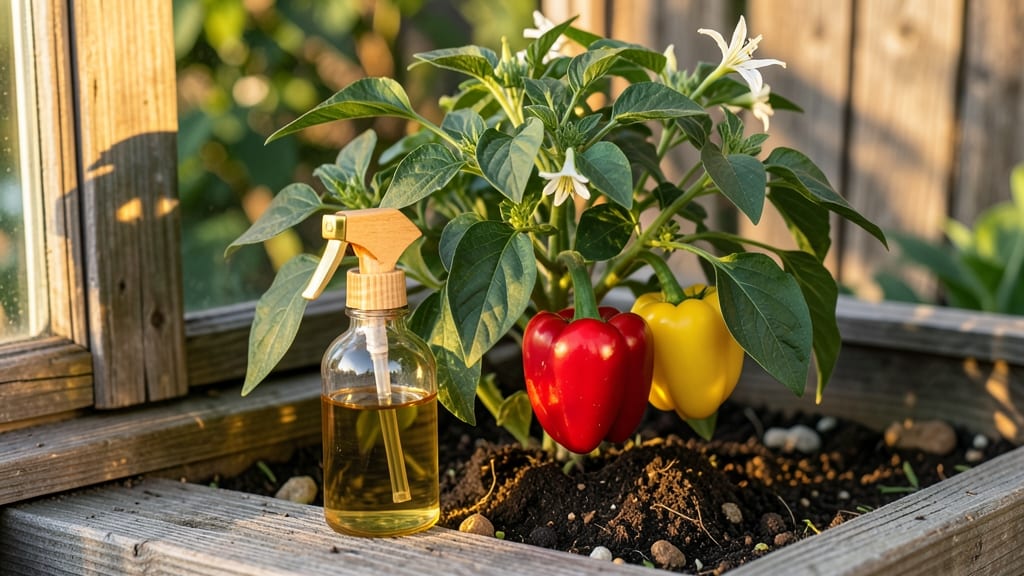
Peppermint oil spray for plants is the secret weapon I turn to when pests invade my garden like an uninvited dinner party. 🌿 The sharp scent of peppermint confuses and repels ants, aphids, and even spider mites within minutes, giving you instant relief without harsh chemicals.
One spritz on your plants, and you'll notice pests scattering faster than they can multiply.
The beauty of this spray lies in its simplicity—just a few household ingredients and a spray bottle. Unlike neem oil, which takes days to work, peppermint oil acts almost immediately, making it perfect for those sudden infestations.
It’s also safe for most plants when used correctly, though a quick patch test on a leaf is always wise.
What you’ll love most is how easy it is to make and apply. Mix a few drops of peppermint oil with water and a bit of dish soap, and you’ve got a potent, natural pest deterrent.
The results? Healthy, pest-free plants that keep producing all season long—no more wilting leaves or chewed foliage.
Best of all, this spray works in containers, raised beds, and even indoors with houseplants. Just remember to reapply after rain or every few days for ongoing protection. Your garden will thank you for this quick, chemical-free fix!
📚 In This Guide
- What you need
- Instructions
- Tips and common mistakes
- Wrapping up and next steps
What you need
- ● Peppermint essential oil – 10–15 drops (100% pure, therapeutic grade for best results). Pro tip: Look for labels that say "organic" or "food-grade" to avoid harsh additives! 💡
- ● Distilled water – 1 cup (8 oz) (tap water may contain minerals that reduce effectiveness).
- ○ Spray bottle – 8–16 oz (preferably glass to avoid plastic degradation from oils). Optional: A dark glass bottle helps preserve the oil’s potency in sunlight.
- ● Small mixing bowl – or the spray bottle itself (for combining ingredients).
- ● Wooden or silicone spoon – for stirring (avoid metal to prevent oxidation).
- ● Funnel – Makes pouring oil into the bottle mess-free! 🎯
- ● Measuring spoons – For precise oil drops (if you’re a perfectionist).
- ● Label & marker – To tag your spray as "peppermint pest repellent" (trust us, you’ll thank us later!).
- ● Gloves – Not required, but essential oils can be potent—protect your skin if you’re sensitive!
Step-by-Step instructions for making peppermint oil spray
Here's how to whip up a natural, effective spray that keeps pests away without harming your plants.
🌿 Step 1: Gather Supplies and Mix the Base Solution
Combine 1 cup of distilled water (tap water can leave mineral deposits) with 1 tablespoon of pure peppermint essential oil in a 16-ounce spray bottle. Distilled water ensures clarity and prevents clogging the spray nozzle later. Shake gently but thoroughly to blend the oil completely—it sinks to the bottom at first. I like to roll the bottle between my palms for a full minute to emulsify it naturally.
Add 1 teaspoon of rubbing alcohol (70% or higher) to help the oil disperse evenly. This isn't optional—without it, the oil will separate and clump, making the spray ineffective. Pop the lid on loosely and give it another shake. The alcohol also acts as a mild preservative, extending the spray's shelf life to about 2 weeks when stored in a cool, dark place.
💧 Step 2: Test on a Small Plant Area First
Before spraying your entire garden, test the mixture on a small, inconspicuous leaf—like the backside of a basil leaf or a lower leaf on a tomato plant. Peppermint oil is potent, and some plants (especially citrus or mint family members) can react poorly. Wait 24 hours to check for browning, yellowing, or wilting. If the leaf looks fine, you're good to go.
I always test first because I've seen peppermint oil burn tender new growth on sensitive plants like impatiens. Start with a light mist—this spray is about repelling pests, not drowning them. You'll know it's working when you see ants or aphids scatter within minutes of application.
✂️ Step 3: Apply to Problem Areas at the Right Time
Spray early in the morning when temperatures are cool (below 80°F) and humidity is high. This gives the oil time to dry and bond to foliage before the sun intensifies. Focus on undersides of leaves—that's where aphids, spider mites, and other pests love to hide. Hold the bottle 6-8 inches away and apply until the leaves glisten lightly, but don't soak them.
Reapply every 3-5 days or after rain, since the oil washes off. I keep a spray bottle on my patio table for quick touch-ups. Avoid spraying flowers if you want pollinators around—peppermint's strong scent can deter bees temporarily. For heavy infestations, repeat applications for 1-2 weeks until pests disappear completely.
☀️ Step 4: Store and Rotate with Other Natural Sprays
Keep your peppermint spray in a dark, cool place (like a pantry or garage shelf) and use it within 2 weeks for maximum potency. Label the bottle clearly—mistaking it for water can lead to over-spraying. I like to rotate this spray with neem oil and garlic spray to prevent pests from building resistance to any single treatment.
Peppermint oil works best as a preventative, so spray your plants weekly during pest-prone seasons (spring and summer). The scent alone deters many common garden pests, but the direct contact disrupts their life cycles. Store any leftover spray in the fridge for an extra week if you won't use it all immediately.
Tips & tricks for perfect peppermint oil spray
These simple strategies will help you get the most out of your pest-repelling spray without any guesswork.
Emulsification Tip: The one-minute rolling technique in Step 1 is key—it helps the peppermint oil blend smoothly with the water. If you notice separation after a few days, just shake vigorously for 10 seconds before each use. I've found that using a glass spray bottle (instead of plastic) helps maintain clarity and prevents oil buildup in the nozzle over time.
Safety First: When testing on a small leaf in Step 2, choose a leaf that's not directly exposed to sunlight for the full 24 hours. Direct sunlight can magnify the oil's potency and cause browning even on tolerant plants. I've seen this happen with tomato plants that looked fine in shade but developed brown spots when tested in full sun.
Application Technique: For Step 3, focus on the leaf undersides and stems where pests hide. A light, even mist is all you need—the goal is to create a protective barrier, not drown the plant. I like to spray in short bursts while moving the bottle in a sweeping motion rather than holding it stationary. This helps distribute the spray more evenly without creating puddles.
Storage Wisdom: The 2-week shelf life in Step 4 assumes proper storage. If you notice the spray losing potency before then, the bottle might have been exposed to light or heat. For longer storage, transfer any unused spray to a small glass jar with a tight lid and keep it in the fridge—it'll last up to 4 weeks this way. Just shake well before using again.
Pro Tips for Peppermint Oil Spray For Plants
- These simple strategies will help you get the most out of your pest-repelling spray without any guesswork.
- Emulsification Tip: The one-minute rolling technique in Step 1 is key—it helps the peppermint oil blend smoothly with...
- Safety First: When testing on a small leaf in Step 2, choose a leaf that's not directly exposed to sunlight for the f...
Frequently asked questions
Got questions about using peppermint oil spray for your plants?
Here are the most common ones—plus quick, practical answers to help you get the best results without stress.
How often should I spray peppermint oil on my plants?
Spray your plants with peppermint oil every 7–10 days to keep pests at bay. Overuse can harm sensitive plants, so start with a 1:1 ratio (1 tsp peppermint oil per cup of water) and monitor for reactions. Avoid spraying during peak sun hours to prevent leaf burn.
Will peppermint oil spray kill my plants?
When used correctly, peppermint oil spray is safe for most plants, but it can be toxic to mint family plants (like basil or oregano) and sensitive varieties (e.g., ferns, succulents). Always do a patch test on a small leaf first. Dilute properly and avoid overapplying!
Can I use peppermint oil spray as a fertilizer?
No, peppermint oil spray isn’t a fertilizer—it’s a pest repellent. For nutrients, stick to organic fertilizers or compost. However, the spray can enhance growth indirectly by reducing stress from pests. Pair it with a balanced fertilizer for best results!
What’s a good alternative if I don’t have peppermint oil?
Try these DIY pest repellent sprays:
- Neem oil spray (broad-spectrum, great for aphids and mites)
- Garlic or chili pepper spray (spicy kick deters pests)
- Soap spray (mild dish soap + water for soft-bodied bugs)
- Essential oils like rosemary or lavender (gentler options)
Why isn’t my peppermint oil spray working?
Check these common fixes:
- Dilution: Too weak? Use 1–2 tsp oil per cup of water for stronger repellent power.
- Application: Spray undersides of leaves where pests hide and reapply after rain.
- Consistency: Pests may return if you skip sprays—stick to the 7–10 day schedule.
- Mix-ins: Add a drop of dish soap to help the oil stick to leaves.
If pests persist, combine with physical removal (like neem oil or beneficial insects).
Wrapping up and next steps
Ready to give your garden a natural, chemical-free boost? Peppermint oil spray is your secret weapon—easy to make, fast-acting, and kind to both plants and the planet! 🌿 With just a few simple ingredients, you can keep pests at bay and enjoy a thriving green space without harsh sprays.
Start small—test it on a few leaves first—and soon you’ll be confidently defending your plants like a pro. Your next step? Try it this weekend and watch your garden flourish! 🌱