
Vegetables
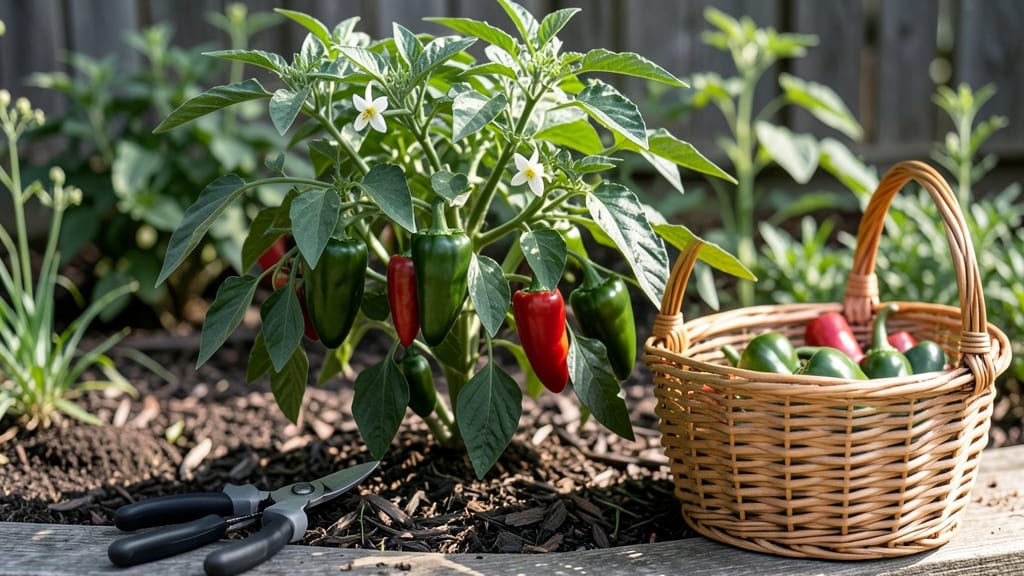
Ripe jalapeño peppers 🌶️ pack the boldest heat and sweetest flavor—but only if you harvest them at the perfect moment.
Picking too early means mild, underwhelming peppers. Waiting too long risks losing flavor or even dropping fruit before it ripens. The key? Learning to read three color cues that signal peak ripeness—and how each stage changes the heat and taste.
Green jalapeños are crisp and fresh but lack the deep, smoky notes of their red or purple counterparts. Meanwhile, fully mature peppers deliver a 30% stronger capsaicin kick, making the difference between a mild snack and a fiery dish.
Below, I’ll show you exactly when to harvest for maximum flavor, plus how to avoid common mistakes that ruin your harvest.
Whether you’re growing jalapeños in Zone 6a or a container on your patio, these tips will help you turn your plants into a spice-packed harvest every season.
Jalapeno ripeness by color: the science behind heat development
Jalapeno peppers transform dramatically as they ripen, and their color shifts reveal critical clues about heat levels and flavor intensity. Understanding these stages helps you harvest at the perfect moment—whether you crave mild green peppers or fiery red ones.
The science behind these changes lies in capsaicin development, the compound responsible for spice.
At first glance, a jalapeno might seem simple, but its color evolution tells a story of chemical maturation. Green jalapenos are harvested early, while red peppers signal peak ripeness.
The transition isn’t just about aesthetics—it’s about spice potential and culinary versatility. Let’s break down each stage so you can decide when to pick for your favorite dishes.
The green stage is where most home gardeners harvest jalapenos, especially for fresh salsas or pickling. These peppers are mild and crisp, with a Scoville rating of 2,500–5,000 SHU.
They’re packed with vitamin C and a grassy freshness that’s perfect for raw dishes. However, their heat potential is just beginning to develop.
As jalapenos transition to light green or yellowish hues, they signal the start of capsaicin production. This phase marks a 50% increase in heat, reaching 5,000–8,000 SHU. The flavor shifts to something earthier and slightly sweeter, making them ideal for grilling or stuffing.
If you’re growing jalapenos for balanced spice, this is the sweet spot for many gardeners.
When jalapenos turn deep red, they’ve reached their peak ripeness and maximum heat. The Scoville rating jumps to 8,000–15,000 SHU, delivering a fruity, smoky depth that’s perfect for hot sauces or drying.
The skin thickens, and the seeds darken, both signs of full maturation. This is when jalapenos are at their most aromatic and complex.
Wait too long, and jalapenos become overripe, turning dull red or brown. While the heat intensifies further, the flavor becomes bitter and harsh, making them unsuitable for most dishes.
Overripe peppers are best used for fermenting or composting rather than eating fresh. Always harvest before this stage to avoid waste.
Pro tip: Gently squeeze a jalapeno to test ripeness. A firm, glossy skin means it’s ready, while a soft or wrinkled pepper is past its prime. Pay attention to the stem end too—a dry, slightly shriveled stem signals maturity, whereas a green, moist stem means it’s too early.
If you’re growing jalapenos for year-round harvests, consider leaving some on the plant to ripen fully while picking others green. This way, you can enjoy both mild and spicy versions throughout the season. Just remember: red jalapenos pack a punch, so handle them with care!
🌶️
When to harvest green vs red jalapenos for maximum flavor
Harvesting your jalapeno peppers at the right time transforms a good crop into an exceptional one. The color change from green to red isn't just about looks—it signals a dramatic shift in flavor intensity and heat levels.
Green jalapenos pack a milder kick, while red ones deliver that signature fiery punch we all love. But timing matters: pick too early, and you miss out on peak spice; wait too long, and you risk overripe peppers.
For most gardeners, the choice comes down to two key questions: Do I need heat now? Or am I willing to wait for maximum flavor? The answer depends on your recipe plans and patience level.
I’ve learned that green jalapenos (harvested early) are perfect for fresh salsas or grilling, while red jalapenos (fully ripe) bring the boldest flavor to dried products or sauces. Let’s break down the pros and cons of each to help you decide.
Green Jalapenos (Early Harvest)
- Milder heat (2,500-5,000 SHU)
- Great for fresh eating or quick cooking
- Encourages plant to produce more peppers
- Less complex flavor profile
- Lower capsaicin content (less heat)
- May not ripen fully if harvested too soon
Red Jalapenos (Fully Ripe)
- Higher heat (8,000 SHU or more)
- Sweeter, more complex flavor
- Ideal for drying or long-term storage
- Softer texture (more prone to bruising)
- Slower to ripen (requires patience)
- Limited new pepper production after harvest
Beyond color, test ripeness by gently squeezing the pepper—it should feel firm but slightly yielding. A dry, slightly shriveled stem end is another telltale sign of readiness. For green jalapenos, aim for 3-5 inches long with a glossy skin.
For red jalapenos, wait until the skin turns a deep, consistent red (or yellow/purple, depending on the variety) and the pepper feels slightly softer. My rule of thumb? If it’s bright and firm, it’s ready—whether green or red.
Pro tip: If your jalapenos turn red but you need them green, harvest them early and hang them in a cool, dark place to slow ripening. This trick works wonders for extending your harvest window.
Just remember, the longer you wait, the more intense the heat—and the sweeter the flavor. For me, the wait is always worth it when I finally taste that perfect red jalapeno in my homemade salsa.
Don’t let color fool you—some jalapenos may turn red but stay mild if they didn’t get enough sun. Always check the stem end and skin texture alongside color. Overripe peppers can become mushy or develop wrinkles, so act fast once they reach peak ripeness.
With practice, you’ll develop an eye for the perfect jalapeno—whether you prefer it green or red.
🌶️