
Picking
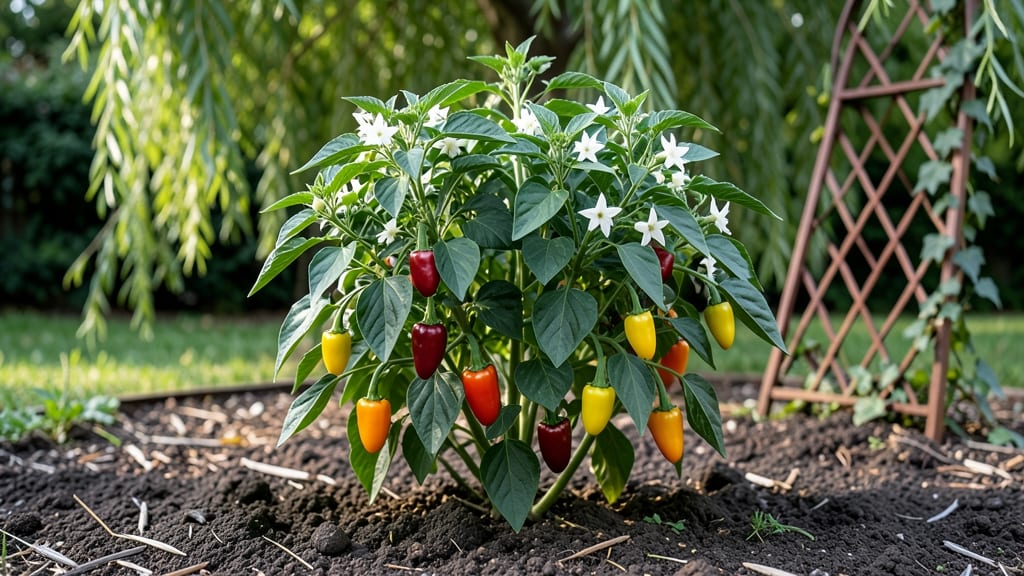
Growing Sweety Drop peppers changed how I think about summer heat—these cascading beauties thrive when most peppers wilt. 🌿 Their sweet, tangy flavor and ornamental habit make them perfect for containers, trellises, or hanging baskets, even in blazing afternoons.
I've grown them in Zone 8 through Zone 10, and they keep producing long after regular peppers give up. The secret lies in their heat tolerance and pole-trained growth habit. You'll need well-draining soil with compost, 6+ hours of sun daily, and consistent moisture (but never soggy roots).
These peppers cascade like vines, so a sturdy trellis or cage is a must—mine now drapes over my patio like a living curtain, producing fruit well into October. What you get is months of sweet, bite-free peppers that look as good as they taste.
The plants stay compact, making them ideal for small spaces, and their bright colors add a pop to any garden corner. Plus, they're prolific—expect dozens of peppers per plant once established. For best results, start seeds indoors 8-10 weeks before last frost, then transplant after soil warms.
They handle heat better than most, but a little afternoon shade in extreme climates can extend their season even further.
📚 In This Guide
- What you need
- Instructions
- Tips and common mistakes
- Wrapping up and next steps
What you need
- ● Sweety Drop Pepper Seeds: 10–20 seeds (or 1–2 starter plants if buying transplants). Look for heat-tolerant varieties like ‘Sweety’ or ‘Drop Pepper’.
- ● Pole or Trellis: 6–8 ft tall bamboo stakes, metal cages, or wooden poles (3–4 per plant for support).
- ● Potting Mix: 5–10 gallons of well-draining, organic potting soil (or a mix of compost + coconut coir).
- ● Containers or Garden Bed: Containers: 5–7 gallon pots (1 per plant) with drainage holes.
- ● Garden Bed: Full sun (6+ hours/day) with loose, fertile soil (amend with compost if needed).
- ● Fertilizer: Balanced organic fertilizer (10-10-10 or 5-5-5) or compost tea for consistent feeding.
- ● Mulch: Straw or shredded leaves (2–3 inches) to retain moisture and suppress weeds.
- ● Basic Gardening Tools: Trowel or hand shovel
- ● Pruning shears (for trimming excess growth)
- ● Watering can or hose with a gentle spray nozzle
- ○ Optional (But Helpful!): Garden twine or zip ties (to secure plants to poles)
- ● Shade cloth (30–50%) for seedlings if starting indoors
- ● pH test kit (ideal soil pH: 6.0–6.8)
- ● Drip irrigation system (for large gardens)
- ● Climate Considerations: Heat tolerance: Sweety peppers thrive in 70–95°F but need protection from frost (hardiness zone 9+).
- ● Water source: Consistent moisture (1–2 inches per week).
Step-by-step instructions for growing Sweety Drop peppers vertically
Here's how to coax these heat-loving peppers into producing sweet, prolific harvests all season long.
🌱 Step 1: Select and Prepare Your Growing Site
Sweety Drop peppers thrive in full sun with at least 6-8 hours of direct light daily, but their real secret lies in heat tolerance. Choose a location where afternoon temperatures stay above 75°F—they'll even tolerate brief 90°F+ spikes better than most peppers. If growing in containers, use black or dark-colored pots to absorb and retain heat.
Amend your soil with 2-3 inches of compost mixed into the top 6 inches to improve drainage while retaining moisture. These peppers hate soggy roots but need consistent hydration. I always test soil moisture by sticking my finger 1 inch deep—if it feels dry, it's time to water. Avoid fresh manure or high-nitrogen fertilizers early in the season; they'll produce leafy growth at the expense of fruit.
🪴 Step 2: Install and Train the Trellis System
Set up your trellis or pole system before planting—these peppers grow 3-5 feet tall when properly trained. I use 6-foot bamboo stakes driven 12 inches deep into the ground, tied with jute twine at 12-inch intervals to create a loose lattice. The key is gentle guidance: never force vines upward or you'll snap tender stems.
Plant seeds ¼ inch deep or set transplants 18 inches apart in rows 24 inches apart. As plants reach 12 inches tall, begin weaving the main stem through the trellis loops. You'll see lateral branches forming at leaf junctions—these should be the focus of your training. Remove any suckers that form below the first flower cluster to direct energy upward.
☀️ Step 3: Manage Water and Fertility for Continuous Production
Water deeply 2-3 times per week during hot weather, aiming for 1 inch of water total. I use a soaker hose placed at the base to keep foliage dry—wet leaves invite fungal diseases like early blight. Mulch with 2-3 inches of straw to conserve moisture and regulate soil temperature. These peppers are drought-tolerant once established, but consistent moisture prevents blossom-end rot and keeps fruit sweet.
Feed with a balanced 10-10-10 fertilizer every 4-6 weeks after flowering begins, then switch to a low-nitrogen, high-phosphorus formula (like 5-10-10) to encourage fruiting. I also sprinkle 1 tablespoon of Epsom salt around each plant monthly—it boosts magnesium levels and prevents blossom drop in hot conditions. Stop fertilizing 6 weeks before first frost to allow fruit to mature fully.
✂️ Step 4: Prune and Harvest for Maximum Yield
Remove all suckers (side shoots) that form below the first flower cluster—they compete with fruit production. Leave 1-2 lateral branches per main stem to develop, pruning back any that grow longer than 12 inches. This encourages bushier growth and more fruit set. You'll know you're doing it right when the plant looks like a miniature Christmas tree with peppers hanging at every node.
Harvest peppers when they reach 3-4 inches long and develop their characteristic sweet flavor. Use clean pruning shears to snip stems ¼ inch above the fruit—this prevents disease entry points. For year-round production, pick every 3-4 days during peak season. Store harvested peppers in the fridge for up to 2 weeks or dry them whole for winter use. The more you harvest, the more the plant produces—it's a self-perpetuating cycle once established.
🌿 Step 5: Extend the Season with Protective Measures
In cooler climates, protect plants with floating row covers or a small hoop house when night temperatures drop below 55°F. These peppers are tender perennials in zones 9-11, but even in colder areas, you can overwinter them in containers moved to a sunny indoor spot near a south-facing window. They'll keep producing as long as they get 12+ hours of light and warmth above 60°F.
Before first frost, cut back the plant to 12 inches tall, pot it up, and move indoors. Reduce watering to once every 10-14 days and provide grow lights if natural light drops below 8 hours daily. With proper care, your Sweety Drop pepper plant can reward you with harvests for 6-8 months straight—making it one of the most productive peppers for small spaces.
Tips & tricks for pole-trained Sweety Drop peppers
These heat-loving peppers reward patience with sweet, abundant harvests—here's how to maximize their potential.
Heat Management: The 75°F minimum temperature is non-negotiable for these peppers, but don't let brief 90°F+ spikes scare you—they actually thrive in these conditions. In containers, black pots absorb heat like solar panels, creating microclimates perfect for Sweety Drops. If your mornings dip below 60°F, consider a temporary cloche or row cover to protect tender foliage while maintaining that crucial daytime warmth.
Trellis Training Technique: When training your 3-5 foot tall plants through the trellis, think of it like teaching a toddler to climb—gentle guidance works best. Start weaving the main stem through the 12-inch intervals of jute twine as soon as plants reach 12 inches tall. The key moment comes when lateral branches form at leaf junctions: these are your fruit-bearing zones. Remove any suckers below the first flower cluster immediately—they're energy vampires that steal resources from your future harvest.
Watering Wisdom: Those 2-3 deep waterings per week during hot weather aren't just about quantity—they're about technique. Use a soaker hose at the base to deliver that 1 inch of water directly to roots while keeping leaves dry. The 1-inch soil moisture test is your best friend: stick your finger in and if it feels dry at that depth, water thoroughly. This prevents blossom-end rot while maintaining the sweet flavor these peppers are famous for.
Fertility Strategy: The switch from 10-10-10 to low-nitrogen, high-phosphorus (5-10-10) fertilizer after flowering is crucial—it's what transforms leafy growth into fruit production. That monthly tablespoon of Epsom salt around each plant works wonders in hot conditions, preventing blossom drop and keeping your plants productive. Remember to stop fertilizing 6 weeks before first frost to let those final peppers mature fully on the vine.
Pro Tips for Sweety Drop Peppers
- These heat-loving peppers reward patience with sweet, abundant harvests—here's how to maximize their potential.
- Heat Management: The 75°F minimum temperature is non-negotiable for these peppers, but don't let brief 90°F+ spikes s...
- Trellis Training Technique: When training your 3-5 foot tall plants through the trellis, think of it like teaching a ...
Frequently asked questions
Got questions about growing Sweety Drop Peppers? You’re not alone!
These heat-loving beauties are full of surprises—from their pole-training quirks to their spicy-sweet rewards. Here’s what growers ask most often, answered in a flash.
How hot can Sweety Drop Peppers handle?
Sweety Drop Peppers thrive in 90°F+ heat and even tolerate brief stretches above 100°F. They’re bred for heat tolerance, but avoid extreme drought—water deeply 2-3x/week during peak heat. Pro tip: Mulch with straw to lock in moisture and keep roots cool!
How long until harvest after planting?
Expect 70-90 days from transplant to harvest, depending on your climate. Pole-trained varieties like Sweety Drops mature faster than bush types because their vertical growth maximizes sunlight exposure. Watch for: 3-4” pods with vibrant color—time to pick!
Can I grow Sweety Drop Peppers in containers?
Use a 5-gallon+ container with drainage holes and a lightweight potting mix. Since they’re pole-trained, secure a trellis or cage inside the pot. Container hack: Add compost tea every 2 weeks for a nutrient boost—these peppers are hungry!
Why are my Sweety Drop Peppers turning bitter?
Bitterness often signals stress—check for:
- Underwatering (let soil dry slightly between waterings).
- Over-fertilizing (stick to balanced 10-10-10 or compost).
- Extreme heat waves (provide afternoon shade if temps hit 105°F+).
What’s the best alternative if I can’t grow Sweety Drops?
Try these heat-tolerant, pole-friendly peppers:
Variety
Heat Tolerance
Flavor Profile
Arpad F1
95°F+
Sweet, blocky pods
Carolina Wonder
100°F+
Mild, prolific
Jalapeño ‘Early Jolt’
90°F+
Medium heat, versatile
Wrapping up and next steps
Sweety Drop peppers prove that growing heat-loving varieties like these doesn’t require a greenhouse—just smart training and timing! With their sweet, fruity heat and ability to thrive in warm climates, they’re a game-changer for year-round harvests.
Whether you’re a seasoned gardener or just starting, these peppers reward patience with bold flavors and vibrant colors.
Ready to level up your garden? Start by picking a sunny spot, gathering your supplies, and giving these beauties the pole support they deserve. Your next harvest could be just a season away! 🌱🔥