
Picking
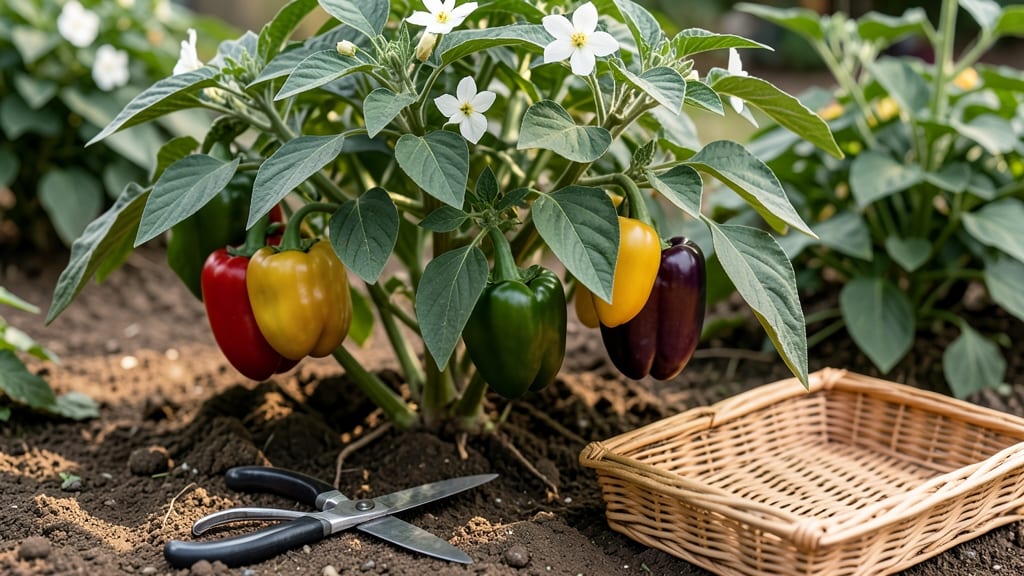
Harvesting bell peppers at the right time means the difference between a sweet, crisp reward and a bitter, overripe mess — and most gardeners miss the mark by focusing on size alone.
Picture this: you’ve waited months for your 🌶️ to mature, only to pull a pepper that’s tough, seedy, or worse, still green when it should be red. That’s the frustration of guessing instead of knowing the three simple color cues that tell you when to pick.
From deep green to vibrant yellow or rich red, each shade signals a different stage of sweetness and texture. But here’s the catch: timing isn’t just about color—it’s also about the firmness of the skin, the snap of the stem, and even the time of day you harvest.
In this guide, I’ll break down the exact moments to pick your peppers for peak flavor, plus how to avoid the most common mistakes that turn a great harvest into a disappointment. Ready to turn your garden into a pepper patch of perfection?


How to identify bell pepper harvest time by color (3 key stages)
Bell peppers change color as they mature, and each color stage signals a different flavor profile and harvest window. Most gardeners know green peppers are edible, but yellow and red varieties actually develop sweeter, more complex flavors when left to ripen.
Understanding these three key stages ensures you pick peppers at their peak—whether you want crisp green peppers for stir-fries or sweet red ones for salads.
The stem color is your first clue: a yellow or brown stem base means the pepper is ready, while a green stem means it needs more time.
Pair this with the pepper’s skin texture—firm and glossy peppers are ideal, while wrinkled or soft ones are overripe. Heirloom varieties often take longer to ripen, so don’t rush them unless you’re in a short growing season.
Green peppers are the most common harvest stage, but they’re actually immature. They’re crisp and slightly tart, perfect for cooking. Yellow and red peppers, however, develop more sugar and less heat as they ripen, making them sweeter and ideal for fresh eating. Some varieties, like ‘Black Beauty’ or ‘Jalapeño’, stay green even when mature, so always check the stem and size.
For green bell peppers, harvest when they reach 3-4 inches long and feel firm to the touch. These peppers are fully edible but lack the sweetness of their ripened counterparts.
If you’re growing ‘Sweet Banana’ or ‘Golden Calwonder’, wait for the yellow or orange hue—these varieties are bred to ripen fully and develop a caramel-like sweetness.
Red bell peppers are the most flavorful but take the longest to mature. Aim for a deep, vibrant red (or purple, in varieties like ‘Purple Beauty’) and a slightly glossy skin. If the pepper feels soft or the skin wrinkles, it’s past its prime. Pro tip: Morning harvests yield the freshest peppers, as daytime heat can accelerate ripening and overripening.
Some gardeners make the mistake of harvesting peppers too early to encourage more production, but this can stunt the plant.
Instead, let a few peppers ripen fully to boost overall yield—the plant will compensate by producing more flowers and fruits. Heirloom varieties, like ‘Cherokee Purple’ or ‘Black Hungarian,’ often require extra time, so don’t be tempted to pick them green unless you’re in a short-season climate.
If you’re growing jalapeños or other hot peppers, color isn’t always the best indicator of ripeness. Instead, focus on size and firmness, as these peppers can turn red or yellow while still being immature and spicy.
For sweet bell peppers, color is your best guide, but always pair it with a gentle squeeze—ripe peppers should yield slightly under pressure but not feel mushy.
One common question is whether to harvest all peppers at once. The answer depends on your goals: if you want continuous harvests, pick peppers as they ripen.
If you’re aiming for storage or canning, let a batch ripen fully before harvesting. Red peppers store longer than green ones, so if you’re prepping for winter, prioritize these for late-season harvests.
Finally, remember that climate affects ripening time. In hotter regions, peppers may ripen faster, while
Common mistakes that ruin bell pepper harvest time (and how to avoid them)
Even experienced gardeners can miss the perfect bell pepper harvest time by overlooking subtle clues. One of the biggest mistakes is waiting too long just because the pepper looks large enough.
Overripe peppers develop a mealy texture and bitter flavor, ruining dishes. I’ve seen gardeners harvest only to find their peppers too soft or even cracked from heat stress.
Another common error is harvesting prematurely because the pepper is green. While green bell peppers are edible, they lack the sweetness and depth of flavor found in fully mature peppers.
I once picked a yellow bell pepper too early, and it tasted bland compared to the same variety left on the plant a few days longer.
Heat waves can also throw off your harvest timing. When temperatures soar above 90°F (32°C), peppers stop maturing properly, leading to poor color development and stunted growth.
I learned this the hard way when my red bell peppers stayed green well past their expected maturity date during a scorching summer.
⚠️ 3 Critical Mistakes That Waste Your Harvest
- Ignoring color cues: Harvesting green peppers too early or waiting for red when your variety stays green (like Green Zebra).
- Overwatering: Soggy soil leads to blossom end rot and cracked peppers—always water at the base.
- Skipping morning harvests: Peppers are firmest and sweetest in the cool morning hours.
Pro Tip: Twist peppers gently—if the stem snaps cleanly, it’s ready! 🌶️
Poor plant spacing is another silent harvest killer. Crowded bell peppers compete for nutrients, leading to smaller yields and slower maturation. I once planted my bell pepper seedlings too close together, and by harvest time, the peppers were underdeveloped and lacked flavor.
Aim for 18–24 inches apart to give roots room to thrive.
Temperature swings also play a role. If nights dip below 55°F (13°C), pepper growth slows dramatically. I’ve seen entire crops stall during unexpected late-season chills.
Use row covers or move potted peppers indoors if frost threatens—even a few degrees can make the difference between a perfect harvest and a wasted season.
Finally, don’t assume all bell pepper varieties mature on the same schedule. Some, like Jalapeño, ripen faster than Banana peppers. Always check the seed packet for days to maturity and adjust your harvest timeline accordingly. I once mixed up varieties and picked a slow-ripening pepper too soon—costly mistake!