
Propagation
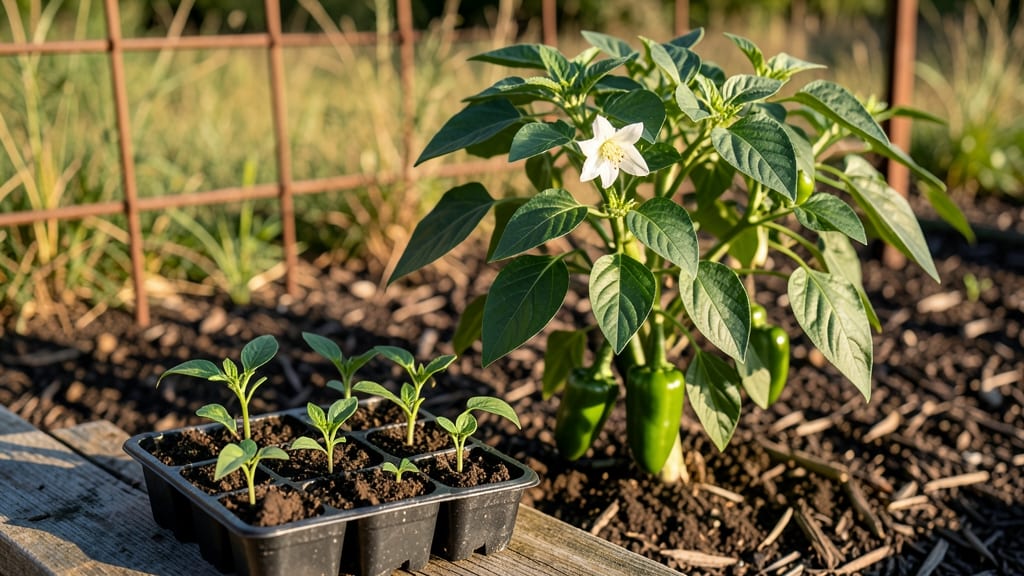
Growing green peppers from seeds gives you crisp, homegrown peppers that taste nothing like store-bought. 🌱 I’ve turned my balcony into a pepper patch where every plant produces 10-15 peppers by summer—no fancy equipment needed.
The secret is patience and the right conditions, and I’ll walk you through every step so you don’t end up with leggy, fruitless plants.
Start with seeds indoors 8-10 weeks before your last frost, using a simple mix of potting soil and perlite. Keep the soil warm (around 75°F) and moist, and expect sprouts in 7-14 days.
Once seedlings have 2-3 true leaves, transplant them into larger pots or directly into the garden after the soil warms to 60°F. Peppers crave full sun (6+ hours daily) and well-draining soil rich in compost.
By mid-summer, you’ll be harvesting bright green peppers that stay crisp when fresh or turn sweet when roasted. The key is consistent watering (keep soil evenly moist but not soggy) and a balanced fertilizer every 4-6 weeks.
Watch for pests like aphids—spray with soapy water if you spot them—and you’ll avoid the most common pitfalls that kill pepper plants.
This method works for any green pepper variety, from classic bell peppers to spicy jalapeños. Whether you’re growing in pots or garden beds, the same principles apply. Ready to turn those tiny seeds into a bountiful harvest? Let’s get started!
📚 In This Guide
- What you need
- Instructions
- Tips and common mistakes
- Wrapping up and next steps
What you need
- ● Green pepper seeds: 5–10 seeds (choose heirloom or hybrid varieties like California Wonder or Jalapeño for best results).
- ● Seed-starting mix: 1–2 cups of sterile, well-draining potting soil (avoid garden soil—it may contain pathogens).
- ● Containers: 3–4 small pots (3–4 inches deep) or a seed tray with individual cells (for transplanting later).
- ● Grow lights or sunny windowsill: A full-spectrum LED grow light (12–16 hours/day) or a south-facing window with 6+ hours of sunlight.
- ● Watering can or spray bottle: With a fine mist nozzle for gentle hydration.
- ● Plant labels: Small markers to track seed varieties and planting dates.
- ● Fertilizer: A balanced, water-soluble fertilizer (5-10-5 or 10-10-10 ratio) for seedlings.
- ● Trowel or small shovel: For transplanting seedlings into larger containers or garden beds.
- ○ Heat mat (optional): Keeps soil warm (70–85°F) to speed up germination.
- ● Plastic wrap or humidity dome: Helps retain moisture during germination.
- ● Pruning shears: For trimming leggy seedlings or harvesting peppers.
- ● Garden stakes or cages: Supports plants as they grow (4–6 feet tall).
- ● Mulch: Straw or shredded leaves to retain soil moisture and suppress weeds.
- ○ Pest control (optional): Neem oil or insecticidal soap for aphids or spider mites.
Step-by-step instructions for growing green peppers from seeds
Here's how I turn tiny seeds into pepper plants ready for the garden in just 60 days.
🌱 Step 1: Start Seeds Indoors 8-10 Weeks Before Last Frost
Fill 2-3 inch deep seedling trays with sterile seed-starting mix—never garden soil, as it compacts and harbors diseases. I press the mix down lightly to remove air pockets, then moisten it until it feels like a damp sponge. The goal is even moisture without puddles.
Plant 2-3 seeds per cell at a depth of ¼ inch, just below the surface. Cover lightly with additional mix and mist gently with water until the soil looks uniformly damp. I use a spray bottle to avoid disturbing the seeds. Place the tray in a warm spot—75-85°F is ideal—using a seedling heat mat if needed.
💧 Step 2: Maintain Germination Conditions for 7-14 Days
Cover the tray with a clear plastic dome or plastic wrap to retain humidity and warmth. Check daily for condensation on the cover—this is your signal the environment is properly moist. Remove the cover once 50% of seeds have sprouted to prevent damping-off, a fungal disease that causes seedlings to collapse.
Keep the soil consistently moist but never soggy. I water from the bottom by placing the tray in an inch of water for 10 minutes, then draining excess. This method prevents disturbing the delicate seedlings. Expect germination in 7-14 days, though cooler rooms may take longer.
☀️ Step 3: Provide Bright Light Immediately After Germination
The moment seedlings emerge, move them to a south-facing window or under grow lights for 14-16 hours daily. Without sufficient light, seedlings stretch toward the source (called "legginess") and never recover. I use a full-spectrum LED grow light 2-4 inches above the plants, raising it as they grow.
Strong seedlings have thick stems, deep green leaves, and compact spacing between leaves. If stems look thin and leaves are pale, your light is too far away. Rotate the tray a quarter turn daily so plants grow straight instead of leaning.
🌿 Step 4: Harden Off Seedlings Before Transplanting
Two weeks before your last frost date, begin hardening off by placing seedlings outside in a sheltered spot for 1-2 hours the first day. Gradually increase their outdoor time by 1 hour daily over 10-14 days, exposing them to more sun and wind each time.
Watch for wilting or leaf burn—these are signs they're not ready. Once seedlings tolerate a full day outside without stress, they're ready for the garden. Transplant on an overcast afternoon to reduce shock, and water deeply at the base to settle the soil around roots.
✂️ Step 5: Support and Maintain Plants for 60 Days to Harvest
Plant seedlings 12-18 inches apart in well-draining soil with a pH of 6.0-6.8. I add a handful of compost to each hole for nutrients and a slow-release fertilizer to encourage strong growth. Stake or cage each plant immediately—peppers grow top-heavy and need support.
Water at the base 1 inch per week, keeping soil consistently moist but never waterlogged. Mulch around the base to retain moisture and prevent soil-borne diseases. You'll see first flowers in 4-6 weeks, followed by peppers in 60-70 days from seeding.
Tips & tricks for growing green peppers from seeds
These insider secrets will help you avoid common pitfalls and maximize your pepper harvest from the very first seed.
Seed Starting Precision: The ¼ inch depth for planting seeds is critical—any deeper and they won't have enough oxygen to germinate. I use a toothpick to make small holes in the soil mix, then drop seeds in gently. This ensures consistent germination across all seeds in the tray. For extra insurance, I label each tray with the planting date—this helps track the 60-day timeline to harvest without guesswork.
Germination Environment: That 75-85°F temperature range is non-negotiable for pepper seeds. If your home runs cooler, place the seed tray on a seedling heat mat set to 80°F—this mimics greenhouse conditions. I've found that maintaining this warmth during the 7-14 day germination period prevents the "waiting game" frustration. Watch for condensation on the plastic cover daily—this tells me the humidity is perfect without needing a hygrometer.
Lighting Strategy: The 14-16 hours of daily light requirement is where most beginners struggle. If you don't have a south-facing window, invest in a basic LED grow light—even a 10-watt bulb works for a small setup. Position it 2-4 inches above seedlings and adjust as they grow. I rotate my trays daily to prevent leaning, which creates stocky plants ready for transplanting. The moment you see seedlings stretching toward light (called "legginess"), it's time to move them closer to the light source immediately.
Harden Off Gradually: The 1-2 hour outdoor acclimation on day one might seem short, but this is intentional. Gradual exposure prevents transplant shock that can kill seedlings. I place my trays in a sheltered spot like a porch or under a tree, protecting them from direct wind. By day 10-14, when seedlings tolerate full sun, I know they're ready for the garden. This slow process builds resilience that translates to stronger plants in your vegetable patch.
Pro Tips for Grow Green Peppers From Seeds
- These insider secrets will help you avoid common pitfalls and maximize your pepper harvest from the very first seed.
- Seed Starting Precision: The ¼ inch depth for planting seeds is critical—any deeper and they won't have enough oxygen...
- Germination Environment: That 75-85°F temperature range is non-negotiable for pepper seeds. If your home runs cooler,...
Frequently asked questions
Got questions about growing green peppers from seeds? You’re not alone! Here are answers to the most common queries to help you avoid pitfalls and grow like a pro.
How long does it take for green pepper seeds to germinate?
Green pepper seeds typically germinate in 7–14 days when kept in warm (70–85°F), moist soil. Use a heat mat if your home runs cool, and avoid overwatering—soggy soil can drown seeds. Patience is key, but if nothing sprouts after 2 weeks, try fresh seeds or check moisture levels.
Can I plant green pepper seeds directly in the garden instead of starting indoors?
Yes, but timing matters! Seeds need warm soil (at least 60°F) and 60–90 frost-free days to mature. In cooler climates, start seeds indoors 8–10 weeks before the last frost. In warm zones (Zones 9–11), direct sow after the last frost—just protect seedlings with row covers if nights dip below 55°F.
What should I do if my pepper seedlings look leggy or weak?
Leggy seedlings mean they’re reaching for light. Move them closer to a sunny window or grow light (12–16 hours/day). If they’re already planted, bury them deeper (up to the first true leaves) to stabilize stems. Avoid overcrowding—thin seedlings to 12–18 inches apart for strong growth. A diluted fish emulsion feed can also boost weak plants.
Why are my pepper plants wilting even when the soil is moist?
Wilt can signal overwatering, underwatering, or heat stress. Check the soil 1–2 inches down—it should be damp but not soggy. If leaves feel crispy, it’s underwatering; if they’re yellow and mushy, it’s overwatering. Morning watering (deep but infrequent) and mulching help retain moisture. Move plants to partial shade if temps exceed 90°F.
Can I save seeds from store-bought green peppers for next year?
It’s possible, but results vary. Choose heirloom or organic peppers (hybrids may not grow true). Let peppers fully ripen on the plant, then scoop out seeds, rinse, dry, and store in a cool, dark place. Viability drops after 1–2 years, so test a few seeds before committing to a full batch.
Wrapping up and next steps
Growing green peppers from seeds is a rewarding journey that brings fresh, flavorful harvests straight to your kitchen! With the right soil, sunlight, and care, you’ll enjoy homegrown peppers in just 60 days—perfect for sauces, salads, or grilling. 🌱
Now that you’re armed with tips and tricks, it’s time to get planting! Start with a few seeds, experiment with varieties, and watch your garden thrive. Ready to turn seeds into sauces? Grab your gloves and dive in—your first harvest is closer than you think!