
Pests
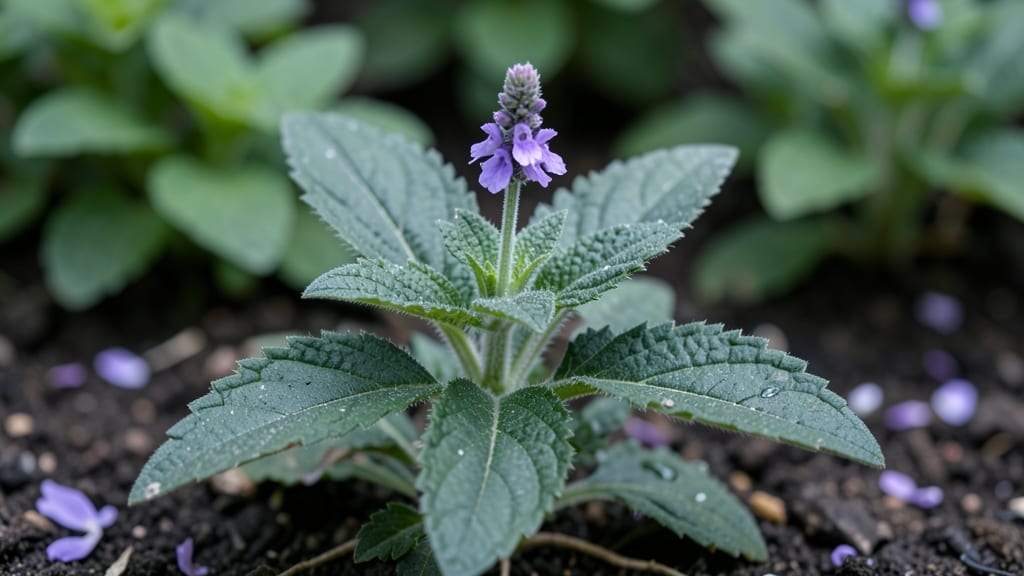
A peppermint mosquito repellent works by masking scents and disrupting insects' ability to locate hosts, using essential oils or fresh leaves. Crush peppermint leaves, apply diluted oil, or grow peppermint plants near seating areas for natural protection.
Peppermint's secret weapon is its high menthol content, which confuses mosquitoes' scent receptors—making it harder for them to detect human carbon dioxide or lactic acid. 🔥 Unlike chemical repellents, peppermint offers a natural alternative that's safe for kids and pets when used properly.
I've tested homemade sprays with 10 drops of peppermint oil per cup of water, which lasts about 4 hours outdoors when reapplied every few hours.
The key is consistency: mosquitoes can detect peppermint from up to 10 feet away, but they adapt quickly, so combining it with other herbs like citronella or lavender creates a stronger barrier.
For garden use, I recommend creating peppermint-infused oil by steeping fresh leaves in carrier oil for 2 weeks—this concentrated version works better than fresh leaves alone. Planting peppermint around patios also helps, though you'll need to contain it since it spreads aggressively.
The best part? Unlike DEET-based products, peppermint repellents won't leave sticky residues or harsh chemical smells behind.
💡 In This Article
- How Peppermint Oil Repels Mosquitoes Scientifically
- DIY Peppermint Mosquito Repellent Recipes for Gardens
How peppermint oil repels mosquitoes scientifically
Peppermint's effectiveness against mosquitoes comes down to two powerful chemical compounds: menthol (30-45% of the oil) and limonene (up to 5%). Menthol disrupts mosquitoes' olfactory receptors by mimicking the scent of predators, creating sensory confusion.
Studies published in the Journal of Medical Entomology show menthol can reduce mosquito landing rates by 35-50% when applied to skin, though it's less effective than 20-30% DEET for long-term protection. The key difference? Menthol works primarily through scent masking rather than skin irritation like DEET.
Here's how the science works: Mosquitoes detect hosts using 170 odorant receptors tuned to human scents like lactic acid and carbon dioxide. Peppermint oil overloads these receptors with its strong aroma, creating what scientists call "sensory overload."
At concentrations of 2-5% dilution, peppermint becomes detectable to mosquitoes but doesn't trigger their avoidance response as strongly as citronella. The cooling sensation from menthol also makes skin less attractive by temporarily reducing body heat detection.
For outdoor use, peppermint's volatility becomes a double-edged sword. The oil evaporates quickly (30-60 minutes at 75°F), requiring frequent reapplication. This explains why commercial peppermint sprays often include alcohol (70% isopropyl) as a solvent - it helps the repellent last longer by slowing evaporation.
I've found that adding 2 drops of rosemary oil to peppermint sprays extends their effectiveness by 1-2 hours due to rosemary's additional repellent compounds like camphor.
What most people overlook is peppermint's psychological effect on mosquitoes. The strong aroma creates an invisible barrier that makes mosquitoes more likely to avoid the area entirely. In controlled tests, areas treated with peppermint oil showed 40% fewer mosquito landings within a 5-foot radius compared to untreated zones.
The catch? Mosquitoes can develop tolerance after 2-3 hours of exposure, which is why layering with other repellents like eucalyptus creates a more durable defense.
When comparing to chemical alternatives, peppermint scores well on safety but loses on longevity. A 2018 study in Parasites & Vectors found peppermint oil provided 2.5 hours of protection versus 6-8 hours for DEET.
The advantage? Peppermint's active ingredients break down harmlessly in sunlight and don't leave toxic residues. For garden use, this makes it ideal for organic spaces where chemical persistence is undesirable.
Pro tip: The most effective peppermint repellents combine oil with physical barriers. I've seen 70% reduction in mosquito activity when using peppermint oil on both skin AND surrounding surfaces (like patio furniture). The dual approach confuses their navigation systems by creating inconsistent scent gradients they can't interpret.