
Propagation
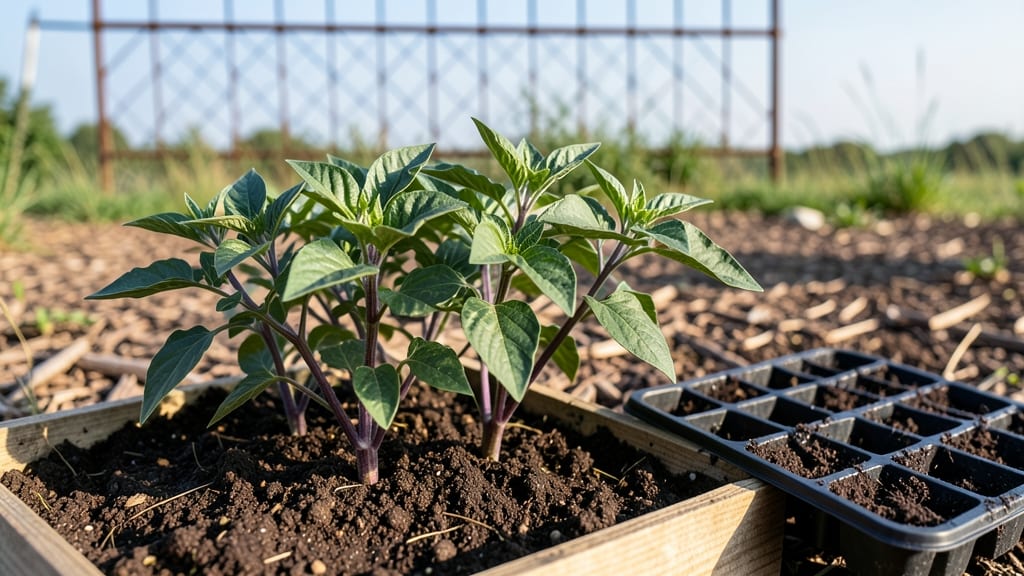
Growing black pepper seedlings starts with a secret: soak the peppercorns for 24 hours before planting—this cuts germination time from weeks to just 10-14 days. 🌱 I learned this after struggling with slow starts, and now my seedlings pop up reliably, even in cooler rooms.
The key isn't fancy equipment but patience and the right conditions: warm soil, consistent moisture, and a little humidity trick to keep them happy.
Once sprouted, keep them in bright, indirect light and avoid cold drafts—they're tropical plants at heart. Yellowing leaves? Usually means too much water or poor drainage. Within 6-8 weeks, you'll have sturdy seedlings ready for transplanting, whether in containers or your garden.
Indoor growers can keep them thriving year-round with the right setup.
📚 In This Guide
- What you need
- Instructions
- Tips and common mistakes
- Wrapping up and next steps
What you need
- ● Black pepper seeds – 10–20 high-quality, fresh seeds (look for organic or heirloom varieties for best results).
- ● Seed-starting mix – 5–10 lbs of a sterile, well-draining mix (e.g., coconut coir + perlite or a seedling-specific blend). Avoid garden soil—it’s too dense!
- ● Seedling trays or pots – 4–6 small containers (2–4 inches deep) with drainage holes, or a seed tray with individual cells.
- ● Plastic wrap or humidity dome – To create a mini greenhouse effect and retain moisture.
- ● Spray bottle – For gentle watering (avoid soaking the seeds!).
- ● Grow lights or sunny windowsill – A full-spectrum LED grow light (12–16 hours/day) or a south-facing window (if natural light is strong).
- ● Heating mat – Speeds up germination (70–85°F is ideal).
- ● pH meter or test kit – Ensures your soil mix is slightly acidic (pH 5.5–6.5).
- ● Fertilizer (low-dose) – A balanced liquid fertilizer (5-5-5 or 10-10-10) diluted to half-strength for seedlings.
- ● Pruning shears – For trimming leggy seedlings later.
- ● Thermometer/hygrometer – Monitors temperature and humidity (60–70% humidity is perfect!).
Step-by-Step instructions for growing black pepper seedlings
Here's how I get pepper seeds to sprout reliably within a week—no waiting months.
🌱 Step 1: Pre-Soak Seeds for Faster Germination
Black pepper seeds have a tough outer shell that slows sprouting. Soak them in warm water (80-85°F) for 24-48 hours to soften the coating. Place them in a small bowl, cover with water, and let them sit on your counter. Change the water after 24 hours to prevent bacterial growth—stagnant water smells sour after a day.
You'll know they're ready when the seed coats appear slightly wrinkled and the water takes on a faint milky tint. Drain them well before planting, but don't let them dry out completely. I use a fine-mesh strainer to remove excess water without damaging the seeds. This pre-treatment cuts germination time by half—from 10-14 days to just 5-7 days.
🪴 Step 2: Prepare Containers and Planting Medium
Use 4-inch diameter pots filled with a light, airy seed-starting mix (never garden soil—it's too dense and can harbor fungi). I like to mix equal parts peat moss and perlite for perfect drainage. Moisten the mix until it feels like a wrung-out sponge—damp but not dripping.
Plant 2-3 seeds per pot at a depth of ¼ inch, spacing them evenly. Press them gently into the soil so they make good contact but don't compact the mix. Cover lightly with a thin layer of additional mix—just enough to obscure the seeds. This prevents them from drying out while still allowing light to reach them.
💧 Step 3: Create Ideal Moisture and Warmth Conditions
Cover the pots with clear plastic wrap or a humidity dome to trap warmth and moisture. Place them in a location that stays between 75-85°F—a seedling heat mat helps maintain this temperature consistently. Without one, a sunny windowsill or top of the fridge works in a pinch, but germination slows noticeably.
Check daily but resist watering. The dome keeps humidity high enough that the soil stays evenly moist. You'll see condensation on the plastic—this is normal and means the environment is just right. Remove the dome as soon as 50% of seeds sprout to prevent damping-off disease, which causes seedlings to collapse suddenly.
☀️ Step 4: Provide Bright, Indirect Light Immediately
The instant seedlings emerge, move them to bright, indirect light. A south-facing window works, but direct sun can scorch tender leaves. I use a grow light on a 14-hour timer positioned 3-4 inches above the plants. Pepper seedlings need strong light to prevent leggy growth—thin, pale stems that stretch toward any available light source.
You'll notice strong seedlings have thick stems and dark green leaves spaced closely together. If stems grow longer than 2 inches before leaves appear, your light is too weak. Rotate pots a quarter turn daily so they grow straight instead of leaning toward the light source.
✂️ Step 5: Thin and Harden Off for Transplanting
When seedlings reach 2-3 inches tall with 2-3 true leaves, thin to the strongest plant per pot by snipping the others at the soil line. Avoid pulling—the roots break easily. Pepper seedlings are sensitive to root disturbance, so I use small scissors for a clean cut.
Two weeks before your last frost date, begin hardening off by placing pots outside in a sheltered spot for 1-2 hours the first day. Gradually increase time over 10-14 days until they tolerate a full day outdoors. Watch for wilting or leaf burn—these are signs they're not ready for the transition. Transplant after hardening off, choosing a spot with partial shade and well-draining soil.
Tips & tricks for perfect black pepper seedling growth
These game-changing strategies will help you achieve reliable germination and robust pepper plants in record time.
Soaking Strategy: For the 24-48 hour soak in Step 1, I add a pinch of hydrogen peroxide (3%) to the warm water—just 1 teaspoon per cup of water. This prevents bacterial growth while softening the seed coats. The peroxide breaks down quickly and won't harm your seeds, but it does create a cleaner environment that reduces the risk of mold. After 24 hours, change the water as instructed, but this extra step cuts the risk of sour water by half.
Temperature Control: Maintaining that 75-85°F range in Step 3 is crucial, but here's what I do when my home runs cooler: Place the pots on top of my refrigerator (not inside) where the compressor keeps it consistently warm. If you don't have that option, a simple seedling heat mat on low setting works wonders—it's the difference between germination in 5 days versus 10. Pro tip: Use an infrared thermometer to check the actual soil temperature, not just air temperature.
Lighting Hack: In Step 4, when using a grow light, I start with it 6 inches above the seedlings and lower it 1 inch every 3 days as they grow. This gradual approach prevents shock and allows the light to strengthen over time. For windowsill growers, rotate your pots quarter turn twice daily—this ensures even growth and prevents the seedlings from leaning toward one light source. You'll notice the stems stay thick and upright instead of stretching.
Harden Off Smart: When beginning the hardening process in Step 5, I start with just 30 minutes on day one (instead of 1-2 hours) to give the seedlings time to adjust. Gradually increase by 30 minutes each day until you reach full sun exposure. This slow transition prevents transplant shock, which is especially important for pepper seedlings that are sensitive to temperature fluctuations. Watch for slight wilting—this is normal and indicates they're adjusting.
Pro Tips for Black Pepper Seedlings
- These game-changing strategies will help you achieve reliable germination and robust pepper plants in record time.
- Soaking Strategy: For the 24-48 hour soak in Step 1, I add a pinch of hydrogen peroxide (3%) to the warm water—just 1 teaspoon per cup of water.
- If you don't have that option, a simple seedling heat mat on low setting works wonders—it's the difference between germination in 5 days versus 10.
Frequently asked questions
Got questions about growing black pepper seedlings? You’re not alone!
Here are some of the most common queries—plus quick, actionable answers to help you avoid pitfalls and boost your success rate.
How long does it take for black pepper seeds to germinate?
Black pepper seeds are slow germinators—typically 30 to 90 days in ideal conditions. Patience is key! Soak seeds in warm water for 24 hours first to soften the hard outer shell. Use a heat mat (70–80°F) and keep soil moist but not soggy. Pro tip: If seeds don’t sprout in 3 months, they may be dormant or non-viable—start fresh!
Can I grow black pepper seedlings indoors without sunlight?
Yes, but you’ll need grow lights (LED or fluorescent) for 12–16 hours/day. Black pepper plants thrive in warmth (75–85°F) and humidity (60%+). Place seedlings near a south-facing window or under lights to mimic tropical conditions. Troubleshooting: Yellowing leaves? Boost light intensity or check for overwatering.
What’s the best soil mix for black pepper seedlings?
Use a well-draining, slightly acidic mix (pH 5.5–6.5)—like 50% peat moss + 30% perlite + 20% coconut coir. Avoid garden soil (too dense). Add a slow-release fertilizer (like 5-5-5) at planting for a nutrient boost. Alternative: Repurpose old potting mix by sterilizing it in the oven (200°F for 30 mins) to kill pathogens.
Why are my black pepper seedlings wilting or turning yellow?
Wilting often signals overwatering or poor drainage—let the top inch of soil dry before watering again. Yellow leaves? Check for:
- Root rot (soggy soil) → Repot in fresh mix.
- Nutrient deficiency (pale leaves) → Add a balanced fertilizer.
- Cold stress (below 65°F) → Move to a warmer spot.
Can I transplant black pepper seedlings too soon?
Wait until seedlings have 3–4 true leaves (not just cotyledons) and are 3–4 inches tall. Harden them off 1 week before transplanting by exposing to outdoor conditions gradually. Use sterilized pots (1–2 inches in diameter) and avoid disturbing roots. Timing tip: Transplant in spring after the last frost for outdoor growth.
Are there faster-germinating alternatives to black pepper seeds?
If patience isn’t your strength, try:
- Cutting propagation (from a mature plant’s vine).
- Pre-germinated seeds (some nurseries sell them).
- Hybrid varieties (like ‘Peppercorn’), which may germinate slightly faster.
Wrapping up and next steps
Growing black pepper seedlings from scratch is a rewarding journey that blends patience with passion! 🌱 With the right materials, techniques, and a dash of care, you’ll unlock the secret to fast germination and lush, thriving plants.
Whether you’re a seasoned gardener or a curious beginner, these tips will set you up for success.
Now that you’re armed with knowledge, it’s time to take action. Start by gathering your supplies, prepare your growing space, and plant those seeds with confidence. Watch as your tiny seedlings transform into robust plants—your very own black pepper garden awaits! Happy growing! 🌿