
Size
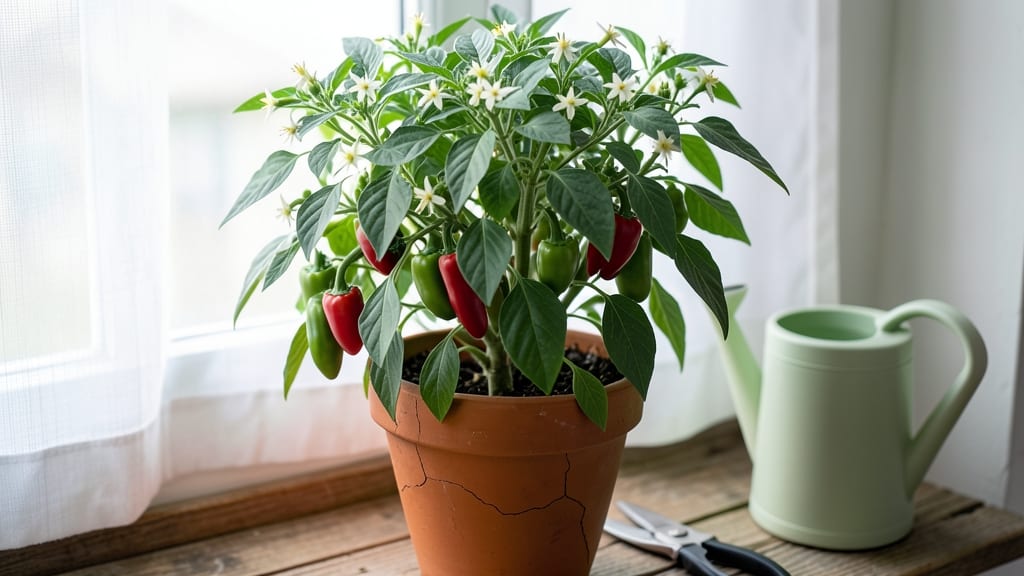
Growing jalapeño peppers indoors turns your windowsill into a spicy harvest hub—no greenhouse needed. 🌱 Last winter, I grew three-foot-tall plants in my living room, and the first harvest made my homemade salsa unforgettable. The key? Matching their tropical needs to your indoor space with the right setup.
You’ll need 5-gallon containers (or larger), well-draining soil, and a grow light that runs 14-16 hours daily—peppers crave sunlight like a sunbather craves a beach. Keep temperatures between 70-85°F and humidity up with a pebble tray, since indoor air dries them out faster than outdoor breezes.
Start seeds indoors 8-10 weeks before your last frost if you’re transitioning plants later.
By mid-summer, you’ll be snipping bright green peppers that pack serious heat—3-4 inches long and ready to harvest when firm. The plants stay productive for months, and you’ll avoid the grocery store’s sad, shriveled jalapeños.
Pole training saves space, too: just tie them to a 6-foot stake as they grow.
Watch for aphids (they love indoor peppers) and blossom-end rot (calcium deficiency)—both fixable with neem oil and crushed eggshells. Indoor growing means you control everything: no pests, no weather, just consistent heat and flavor. Ready to turn your kitchen into a pepper patch?
📚 In This Guide
- What you need
- Instructions
- Tips and common mistakes
- Wrapping up and next steps
What you need
- ● Jalapeño Seeds or Seedlings: 3–5 seeds or 1–2 young plants (choose a compact or bush variety for indoor growing).
- ● Containers: 5–10 gallon pots (or larger) with drainage holes—one per plant or shared if using a self-watering system.
- ● High-Quality Potting Soil: 5–10 lbs of well-draining, nutrient-rich mix (add perlite or vermiculite for aeration).
- ● Grow Lights: Full-spectrum LED or fluorescent lights (12–16 hours/day, 6–12 inches above plants).
- ● Support System: 3–5 ft tall stakes, cages, or trellises (jalapeños need vertical space!).
- ● Fertilizer: Balanced liquid fertilizer (10-10-10 or 5-5-5) or organic options like compost tea.
- ● Watering Can or Spray Bottle: For gentle, even hydration (avoid soggy soil!).
- ● Pruning Shears: For trimming leggy stems or dead leaves.
- ● pH Test Kit: Keep soil pH between 6.0–7.0 for optimal nutrient uptake.
- ○ Humidity Dome or Tray: Helps maintain moisture during germination (optional but helpful).
- ● Thermometer/Hygrometer: Monitor temperature (70–85°F ideal) and humidity (40–60%).
- ● Peat Moss or Coconut Coir: For extra moisture retention in dry climates.
- ● Pest Control: Neem oil or insecticidal soap (preventative measure for aphids/spider mites).
Step-by-step instructions for growing pole-trained jalapeños indoors
Here’s how to coax fiery, productive jalapeños indoors using vertical space—no greenhouse needed.
🪴 Step 1: Set Up Your Growing System
Start with a 5-gallon fabric grow bag or 12-inch deep container (one per plant) filled with sterile potting mix—jalapeños hate soggy roots. Add a 3-inch layer of perlite at the bottom for drainage. I like to mix in a handful of worm castings for a gentle nutrient boost, but don’t overdo it—too much organic matter can compact over time.
Install a 6-foot tall bamboo stake or trellis in the center of the pot. Secure it with soft plant ties (avoid wire—it cuts into stems). The goal is to train the plant vertically, saving space and improving airflow. If using a grow bag, fold the sides up to create a small "tent" around the stake to stabilize it.
🌱 Step 2: Plant and Germinate Seeds
Sow 2-3 jalapeño seeds per pot at a depth of ¼ inch—any deeper and they’ll struggle to break through. Cover lightly with soil and mist gently until the surface looks damp but not wet. Place the pot in a seedling heat mat (set to 75-85°F) to speed germination, which typically takes 7-14 days.
Keep the soil consistently moist but never soggy—jalapeños are drought-sensitive at this stage. Once the first true leaves (not the initial seed leaves) appear, remove the weakest seedling to avoid overcrowding. This is also the time to move the pot under a grow light (14-16 hours daily) to prevent leggy growth.
☀️ Step 3: Provide Light and Support Growth
Jalapeños need full-spectrum light—a south-facing window won’t cut it unless you supplement with a LED grow light (keep it 4-6 inches above the plant). You’ll know your light is working if the leaves stay deep green and compact (not stretched or yellowing). If stems grow long and thin, raise the light or move the plant closer.
As the plant reaches 6 inches tall, gently tie the main stem to the stake using the plant ties. Encourage side branches to form by pinching off the first few flowers—this redirects energy to leaf and stem growth first. Once the plant hits 12 inches, you can let it flower and fruit freely. Prune any suckers (small shoots in the leaf axils) to keep energy focused on the main stem.
💧 Step 4: Water and Fertilize for Maximum Heat
Water deeply when the top 1-2 inches of soil feel dry—jalapeños are sensitive to moisture fluctuations. Use room-temperature water (cold water shocks roots) and avoid wetting the leaves to prevent disease. I like to water at the base in the morning so foliage dries quickly. Overwatering is the #1 killer—yellowing leaves or mushy stems are red flags.
Feed every 2-3 weeks with a balanced liquid fertilizer (10-10-10 or 5-5-5) diluted to half strength. Once flowers appear, switch to a low-nitrogen, high-phosphorus fertilizer (like 5-10-10) to boost fruiting. Stop fertilizing 2 weeks before harvest—you want the peppers to focus on flavor, not new growth.
✂️ Step 5: Harvest and Prune for Continuous Production
Jalapeños are ready to harvest when they’re 3-4 inches long and firm—green or red, depending on your variety. Use clean scissors to snip stems, leaving a small portion attached to encourage more fruit. The first harvest is the sweetest, so don’t wait too long! If peppers turn red, they’re still edible but slightly sweeter—harvest when they reach your preferred color.
After harvest, trim back any yellow or diseased leaves to improve airflow. If the plant still looks strong, it may produce a second flush of peppers. In low-light conditions, you might only get 1-2 harvests per season, but with proper light, you can extend production for 6-8 months. Save seeds from your best peppers for next year’s crop!
Tips & tricks for pole-trained jalapeños indoors
Here's what nobody tells you about growing fiery peppers in tight spaces—these tricks make all the difference between a struggling plant and a productive, heat-packed harvest.
Light is Everything: That 14-16 hours of daily light isn't just a suggestion—it's non-negotiable for indoor jalapeños. I use a full-spectrum LED grow light on a timer to mimic sunlight. If your leaves start stretching toward the light (a sign of legginess), immediately raise the light or move the plant closer. The goal is deep green, compact leaves—anything else means your plant is starving for light.
Germination Game-Changer: Don't be tempted to plant deeper than ¼ inch—jalapeño seeds need that shallow depth to break through easily. I've learned the hard way that deeper planting leads to weak seedlings that struggle. Once your true leaves appear, thin to the strongest seedling. This might seem harsh, but crowded seedlings compete for nutrients and light, setting your plant back before it even starts.
Support System Secrets: That 6-foot stake needs to be sturdy enough to handle a plant that could weigh 10+ pounds by harvest time. I reinforce mine with a second tie halfway up the stake for extra stability. Soft plant ties are your best friend—they stretch as the plant grows without cutting into the stem. If you notice the plant leaning, gently adjust the tie rather than forcing it straight.
Watering Wisdom: The top 1-2 inches dry rule is your guide, but timing matters too. Always water in the morning so foliage has all day to dry—jalapeños are prone to fungal issues when kept damp. I use a spray bottle for seedlings and switch to a watering can with a narrow spout once they're established to direct water to the base without wetting leaves. Overwatering is the silent killer of indoor peppers.
Pro Tips for Grow Jalapeno Peppers Indoors
- Here's what nobody tells you about growing fiery peppers in tight spaces—these tricks make all the difference between...
- Light is Everything: That 14-16 hours of daily light isn't just a suggestion—it's non-negotiable for indoor jalapeños...
- Germination Game-Changer: Don't be tempted to plant deeper than ¼ inch—jalapeño seeds need that shallow depth to brea...
Frequently asked questions
Got questions about growing fiery jalapeños indoors?
You’re not alone! Here are answers to the most common queries to help you crush your indoor garden game.
Can I grow jalapeños indoors year-round?
Yes! With the right setup—10–12 hours of bright light daily (grow lights work great), warm temps (70–85°F), and consistent moisture—you can harvest jalapeños indoors anytime. Just mimic their natural growing season (spring/summer) for best results. Pro tip: Use a timed grow light on a 14/10 day/night cycle to keep them happy year-round.
How long does it take for indoor jalapeños to mature?
Indoor jalapeños typically take 90–120 days from seed to harvest, depending on the variety. Dwarf or bush types (like ‘Early Jalapeño’) may mature faster (60–80 days), while larger varieties could stretch to 4–5 months. Patience is key! Track days from germination to flowering for accuracy.
What if my jalapeño plants aren’t producing peppers?
No peppers? Don’t panic! Common fixes:
- Light issues: Upgrade to a full-spectrum LED grow light (12+ hours/day).
- Temp stress: Keep nights above 60°F—cold drafts halt flowering.
- Nutrient deficiency: Switch to a balanced fertilizer (10-10-10) or add calcium/magnesium.
- Pollination: Gently shake plants or use a small paintbrush to transfer pollen if flowers aren’t setting fruit.
Are there smaller jalapeño varieties better for indoors?
Opt for compact or dwarf varieties like:
- ‘Mini Jalapeño’ (bushy, 12–18 inches tall)
- ‘Jalapeño M’ (determinate, great for containers)
- ‘Early Jalapeño’ (fast-maturing, 60–70 days)
Why are my jalapeños turning bitter or hotter than usual?
Jalapeños naturally intensify in heat or stress—but extreme bitterness often signals:
- Overripe peppers (harvest when green with slight color for milder heat).
- Drought stress (keep soil consistently moist, not soggy).
- Nitrogen excess (switch to a low-N fertilizer like 5-10-10 for fruiting).
Wrapping up and next steps
Growing jalapeno peppers indoors is totally doable—even in small spaces! With the right setup, patience, and a dash of creativity, you’ll soon be harvesting fiery, homegrown heat.
Whether you’re a first-timer or a seasoned plant parent, this pole-trained method maximizes space and rewards you with bold flavors for cooking or sharing.
Ready to level up your indoor gardening game? Start with one plant—test your skills, tweak your setup, and celebrate your first harvest! Then, expand your indoor jungle with more peppers, herbs, or even tomatoes. The kitchen (and your taste buds) will thank you! 🌱🔥