
Pests
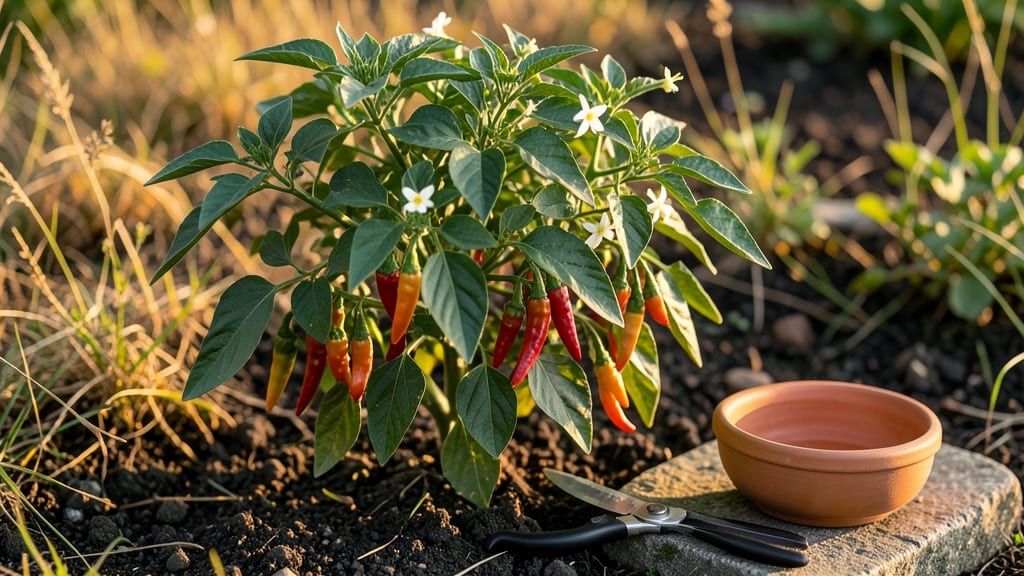
Using cayenne pepper as an animal repellent creates a natural barrier that deters pests like deer, rabbits, and rodents by irritating their nasal passages and paws through capsaicin. Apply it liberally around garden edges or mix with water for a spray, remembering to reapply after rain or heavy foot traffic.
Cayenne pepper’s effectiveness comes from capsaicin, the compound that makes peppers hot. 🔥 This chemical triggers pain receptors in mammals, making them avoid areas where it’s applied. The higher the Scoville rating, the stronger the repellent—think of it like a spicy warning sign for pests.
I’ve found that mixing it with water or dish soap creates a spray that’s easier to apply evenly around garden beds, while granular applications work well for larger areas like vegetable patches.
What’s great about this method is its natural and non-toxic nature, making it safe for organic gardens. Just be cautious with pets—they’re sensitive to capsaicin too.
For best results, reapply every few weeks or after rain to maintain the barrier. The key is consistency; a weak application won’t deter determined pests.
💡 In This Article
- How Capsaicin Deters Animals: Science Behind the Repellent
- DIY Cayenne Pepper Repellent Recipes for Gardens
How capsaicin deters animals: science behind the repellent
Capsaicin, the fiery compound in cayenne pepper, binds to TRPV1 receptors—specialized pain sensors in mammals' nervous systems.
When animals like deer or rabbits encounter this chemical, their bodies interpret it as extreme heat or physical injury, triggering an instinctive avoidance response. 🔥 The irritation isn't just about taste; capsaicin's microscopic particles irritate nasal passages and paws upon contact, creating a sensory barrier that feels like walking through a cloud of chili smoke.
Studies show even small concentrations (around 0.01%) can deter most mammals, though effectiveness varies by species.
The Scoville Heat Unit scale—measuring capsaicin concentration—directly correlates with repellent strength. A standard cayenne pepper (30,000-50,000 SHU) creates a noticeable barrier, while hotter peppers (like habaneros at 100,000-350,000 SHU) offer longer-lasting protection.
For example, a 1-teaspoon cayenne spray (mixed with 1 quart water) creates a 0.05% solution that deters rabbits for 2-4 weeks, but deer may require stronger concentrations due to their larger nasal cavities and less sensitive TRPV1 receptors.
Interestingly, capsaicin has minimal effect on insects and birds—these creatures lack TRPV1 receptors, making cayenne ineffective against them. 🌱 This is why cayenne works best for mammals but won't stop aphids or crows.
The repellent's effectiveness also depends on application method: granular cayenne (sprinkled directly) creates a physical barrier that animals avoid stepping on, while sprays work better for nasal deterrence. The key is creating a consistent sensory experience that animals associate with discomfort.
Temperature plays a surprising role too. Capsaicin's potency increases slightly in warmer conditions (up to 90°F), which is why summer applications often require less frequent reapplication. However, extreme heat can cause cayenne to lose effectiveness within 3-5 days due to oxidation.
For best results, apply cayenne-based repellents in the early morning or late afternoon when temperatures are moderate, allowing the capsaicin to bind effectively to plant surfaces and animal fur.
What makes cayenne particularly effective is its dual-action mechanism: it irritates upon contact AND creates a lingering scent that animals avoid. Unlike chemical repellents that fade quickly, capsaicin's molecular structure allows it to cling to surfaces and animal fur, providing protection that lasts through multiple encounters.
This is why a properly applied cayenne barrier can deter pests for weeks, even after initial contact. 🦌
For maximum effectiveness, combine cayenne with other sensory disruptors like garlic or citrus oils. These compounds create a multi-sensory deterrent that's harder for animals to ignore. The science shows that while capsaicin alone works well, layered repellents create a more comprehensive barrier that addresses different sensory pathways—visual, olfactory, and tactile—simultaneously.
This multi-pronged approach is why gardeners often see better results when mixing cayenne with complementary natural ingredients.