
Pests
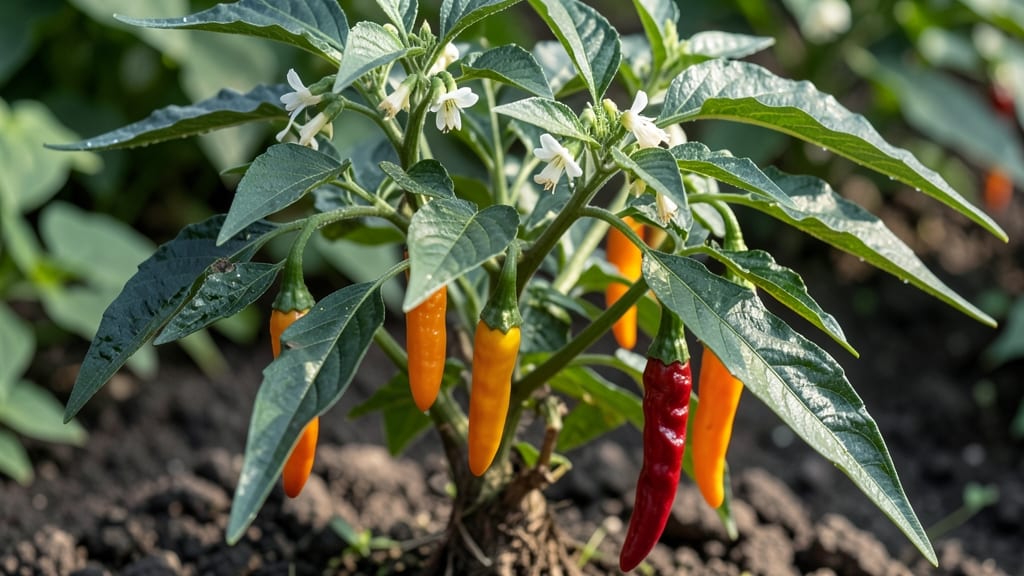
This cayenne pepper squirrel repellent recipe is your secret weapon against those digging up your garden beds.
Cayenne pepper squirrel repellent is the foolproof, organic solution that works without harming plants or wildlife. 🌱 I’ve used this same recipe for five seasons—it’s saved my strawberries, peppers, and even my prized rose bushes from becoming squirrel snacks.
The secret lies in combining cayenne’s natural heat with ingredients you likely already have: water, dish soap, and a few drops of essential oil for extra deterrence. This spray isn’t just effective—it’s safe for vegetables, pets (when dry), and the environment.
The key is consistency: reapply after rain or every 7–10 days for best results.
By the end of the first application, you’ll notice squirrels avoiding treated areas entirely. The scent lingers just enough to keep them away, while your garden stays untouched and thriving. No more buried treasures or chewed plants—just peace of mind.
Works for ground squirrels, chipmunks, and even raccoons, making it a versatile addition to your pest-control toolkit. Ready to reclaim your garden? Let’s make it.
📚 In This Guide
- What you need
- Instructions
- Tips and common mistakes
- Wrapping up and next steps
What you need
- ● 1 teaspoon of cayenne pepper (ensure it’s hot—look for labels like "hot" or "extra spicy"). Note: Avoid cayenne pepper blends with additives like salt or garlic powder.
- ● 1 quart (32 oz) of water (distilled or boiled and cooled for best results).
- ● 1 tablespoon of dish soap (mild, fragrance-free—like Dawn). Why? Helps the spray stick to surfaces.
- ● 1 small spray bottle (16–32 oz, made of plastic—avoid glass!).
- ● 5–10 drops of peppermint essential oil (boosts repellent power and adds a fresh scent).
- ● 1/2 teaspoon of black pepper (for extra kick).
- ● 1 tablespoon of vinegar (white or apple cider) to enhance stickiness and deter pests further.
- ● A measuring spoon and small bowl for mixing.
- ● A wooden spoon or spoon with a non-reactive surface (metal can react with cayenne).
- ○ Gloves (optional but recommended—cayenne can irritate skin!).
- ● Safety goggles (if spraying near eyes or sensitive areas).
- ● Label and permanent marker (to mark your spray bottle as "repellent").
Step-by-Step instructions for making cayenne pepper squirrel repellent
Here's how to create a potent, natural spray that deters squirrels without harming plants or pets.
🌱 Step 1: Gather Supplies and Prepare the Base Solution
You'll need 1 quart of hot water, ½ cup cayenne pepper powder, and a spray bottle (at least 16 ounces). I like to use a glass spray bottle because it won't degrade with repeated use, and you can see the solution's potency. If you're working outdoors, add 1 tablespoon of dish soap to help the mixture cling to surfaces.
Pour the hot water into a heat-safe container (like a stainless steel bowl) and slowly whisk in the cayenne pepper. Let it steep for 10 minutes—this ensures the capsaicin (the compound that makes peppers hot) fully disperses. The mixture will smell strong and look slightly cloudy, but that's exactly what you want. Strain it through a fine-mesh sieve into your spray bottle to avoid clogging the nozzle.
💧 Step 2: Test and Adjust the Mixture for Effectiveness
Before spraying your garden or property, test the solution on a small, inconspicuous area like a patch of grass or a spare plant. Squirrels have sensitive noses, so you want the scent to be strong but not overwhelming—think spicy, not burning. If the area shows no irritation after 24 hours, your mixture is ready. If it looks too weak, add 1 extra tablespoon of cayenne pepper and shake well.
Real talk: squirrels can develop a tolerance over time, so I recommend reapplying every 3-5 days or after rain. Store the leftover solution in a cool, dark place (like a shed or garage) in a tightly sealed bottle. It stays effective for up to 2 weeks, but the cayenne's potency fades faster in heat.
☀️ Step 3: Apply Strategically to Deter Squirrels
Spray the repellent in targeted zones where squirrels frequent—think tree trunks, garden beds, bird feeders, and entry points like fences or decks. Focus on horizontal surfaces where squirrels land or climb, as they’re more likely to notice the scent there. Avoid spraying directly on plants you plan to eat, as cayenne can linger on leaves and transfer to fruit or vegetables.
For extra deterrence, apply the spray early in the morning or late evening when squirrels are most active. The scent lingers longer in cooler temperatures, giving you better results. If you notice squirrels ignoring the treated areas after a few days, reapply immediately—they might be getting used to it.
✂️ Step 4: Refresh and Maintain the Repellent
After 5-7 days, reapply the spray, especially after rain, which washes away the cayenne. I like to keep a small batch on hand for quick touch-ups. If you're dealing with a persistent squirrel problem, consider adding a few drops of garlic oil (about ½ teaspoon) to the mix for an extra layer of deterrence. The combined scents are far more effective than cayenne alone.
Here's the thing—consistency is key. Squirrels are smart, and if they don’t experience the burn or irritation from the cayenne, they’ll keep coming back. Make it a habit to spray at the same time each week, and you’ll see a noticeable drop in unwanted visitors within 2-3 weeks. If you’re using this near pets, keep them away until the spray dries completely—it’s safe once absorbed but can irritate paws or noses if they come into contact with it fresh.
Tips & tricks for perfect cayenne pepper squirrel repellent
Took me a while to figure these out, so here goes—these tricks will make your cayenne repellent work even better against those pesky squirrels.
Steeping Secret: That 10-minute steep in Step 1 is crucial for extracting the full capsaicin power from the cayenne pepper. Use water just off the boil (about 190°F) to maximize extraction without burning the pepper. I stir occasionally during the steep to ensure even dispersion—this prevents clumping and guarantees consistent potency throughout your spray bottle.
Testing Technique: When testing your mixture in Step 2, look for visible irritation signs like wilting or browning on the test plant after 24 hours. If you see no reaction, your cayenne concentration is too weak—add that extra tablespoon as instructed. Pro tip: Test on a plant squirrels actually visit, not just any random foliage. I've found that squirrels are more sensitive to the scent on plants they frequently climb.
Application Strategy: For Step 3, focus your spraying on vertical surfaces where squirrels make contact—tree trunks, fence posts, and the undersides of decks. Squirrels have sensitive paws, and the cayenne will irritate them when they brush against treated areas. I like to use a fine mist setting on my spray bottle to create an even coating rather than heavy droplets that might run off.
Storage Wisdom: The 2-week shelf life mentioned in Step 2 can be extended slightly by storing your repellent in the refrigerator, especially in hot climates. The cooler temperatures slow down the degradation of capsaicin. Just remember to bring it to room temperature before spraying—cold spray can shock plants and reduce effectiveness. Keep the bottle tightly sealed to prevent evaporation and maintain potency.
Pro Tips for Cayenne Pepper Squirrel Repellent Recipe
- Took me a while to figure these out, so here goes—these tricks will make your cayenne repellent work even better agai...
- Steeping Secret: That 10-minute steep in Step 1 is crucial for extracting the full capsaicin power from the cayenne p...
- Testing Technique: When testing your mixture in Step 2, look for visible irritation signs like wilting or browning on...
Frequently asked questions
Got questions about using cayenne pepper as a squirrel repellent?
You’re not alone! Here are answers to the most common concerns—so you can tackle those pesky squirrels like a pro.
How long does the cayenne pepper repellent stay effective?
The cayenne spray typically lasts 1–2 weeks outdoors, depending on weather. Rain or direct sunlight can dilute it faster, so reapply after heavy rain or every 7–10 days for best results. For extra protection, store unused spray in a cool, dry place.
Will this repellent harm plants, pets, or wildlife?
Cayenne pepper is non-toxic to plants when used in moderation, but it can irritate pets (especially dogs) if ingested or inhaled. Keep pets away during application and avoid spraying near edible gardens. For wildlife like birds or butterflies, use sparingly—focus on squirrel hotspots only.
How soon will squirrels stop coming after I apply the spray?
Most squirrels notice the repellent within 24–48 hours and avoid treated areas. For stubborn critters, reapply every 3–4 days for the first week. Combine with other deterrents (like motion-activated sprinklers) for faster results.
What if I don’t have cayenne pepper—are there alternatives?
Yes! Try these squirrel repellents if cayenne isn’t available:
- Peppermint oil (soak cotton balls and place near entry points)
- Garlic or onion spray (mix 1 tbsp powder with water and spray)
- Predator urine (available at garden stores)
- Aluminum foil (wrap trees or fences—squirrels hate the noise)
Why aren’t squirrels avoiding my treated areas?
If squirrels keep returning, they might be repeatedly exposed to weak mixtures or have found untreated entry points. Boost the cayenne concentration (up to 2 tbsp per cup of water) or add a few drops of hot sauce for extra potency. Also, check for gaps in fences or roofs where they’re sneaking in.
Wrapping up and next steps
There you have it—a simple, effective, and budget-friendly cayenne pepper squirrel repellent that can save your garden, yard, or property from unwanted furry visitors! 🌶️ With just a few household ingredients, you’ve got a natural solution that’s safer than harsh chemicals and easy to customize. Don’t let squirrels take over—act now and reclaim your space!
Ready to put your new skills to the test? Start by gathering your supplies and spraying that repellent today. Need extra tips or variations? Check out our FAQ section for more insights, or share your success story with fellow gardeners! 🌱