
Picking
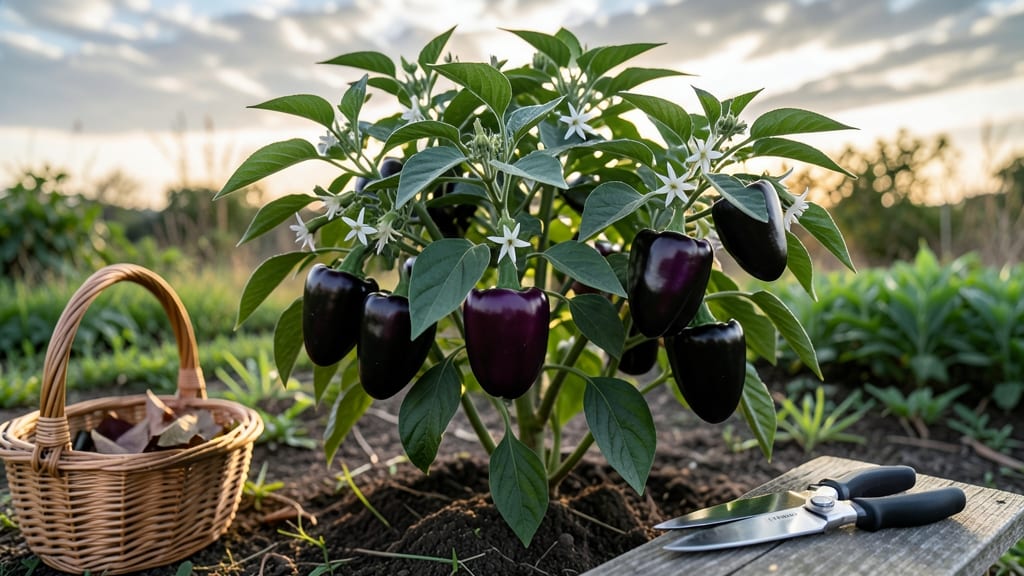
Black spots on peppers can turn a thriving harvest into a frustrating mess—unless you know the root cause. 🌿 I’ve battled everything from sooty mold to aphid damage, and the key to saving your plants lies in accurate diagnosis and targeted action.
What starts as a small speck can spread quickly, but with the right approach, you can restore your peppers to their vibrant best.
Most black spots stem from fungal infections like anthracnose or sooty mold, often triggered by excess moisture or pest infestations like aphids. Unlike blight, which causes larger, sunken lesions, these issues appear as velvety black coatings or tiny black dots.
Proper spacing, watering at the base (not overhead), and regular inspections can prevent outbreaks before they start.
Once you spot the problem, act fast with organic options like neem oil or copper fungicides for fungal issues, or insecticidal soap for pests. For severe cases, a targeted fungicide like chlorothalonil can be effective.
The goal is to stop the spread while keeping your plants healthy enough to bounce back.
With the right prevention and treatment, your peppers can recover—and next season, you’ll spot issues early. The key is consistency: monitor plants weekly, adjust care as needed, and don’t let small problems turn into full-blown crises. Your harvest depends on it.
The Science Behind Pepper Darkening
If you’ve ever noticed your freshly picked peppers developing dark spots or turning black, you’re not alone. This common issue—often called blackening—can happen for several reasons, ranging from environmental factors to handling mistakes.
Understanding the root causes helps you prevent it and keep your peppers vibrant and delicious. Let’s break down the key triggers and why they turn your peppers from bright to black.
Peppers darken when they’re either too ripe or not ripe enough at harvest time. Here’s why:
- Overripe peppers: As peppers mature, their cell walls break down, releasing enzymes like polyphenol oxidase (PPO). When exposed to oxygen, PPO reacts with phenolic compounds in the pepper’s skin, producing melanin—the pigment responsible for darkening. Overripe peppers also have softer skin, making them more prone to bruising and oxidation.
- Underripe peppers: Harvesting too early can stress the pepper, causing it to produce ethylene gas (a natural plant hormone that speeds up ripening). Ethylene accelerates the breakdown of chlorophyll and triggers the same enzymatic reactions that lead to blackening, especially if the peppers are stored improperly.
Actionable fix: Harvest peppers when they’re fully colored but still firm to the touch. For bell peppers, aim for a deep green (or the color of your variety) with a slight give but no soft spots. For hot peppers, pick when they’re glossy and firm, just before they reach peak ripeness.
Water is the enemy of pepper preservation. When peppers are wet—whether from rain, dew, or improper washing—they’re susceptible to fungal growth and oxidative darkening. Here’s how it happens:
- Fungal infections: Moisture creates the perfect environment for fungi like Alternaria or Colletotrichum, which thrive on pepper surfaces. These fungi produce dark, sunken lesions that look like black spots. They’re especially common in humid climates or after heavy rain.
- Enzymatic browning: Even without fungi, excess water activates PPO enzymes in the pepper’s cells. When the pepper dries (or is cut), these enzymes react with oxygen, causing the skin to turn brown or black. Think of it like how an apple turns brown when sliced and left exposed.
Actionable fix:
- Always harvest peppers dry. Avoid picking them after rain or in the early morning when dew is present.
- Pat peppers gently with a clean towel or paper towel to remove moisture before storing or processing.
- If washing is necessary (e.g., for commercial use), use a chlorine wash (1 tsp bleach per gallon of water) to kill surface bacteria, then dry thoroughly in a food dehydrator or under a fan.
Peppers are delicate, and any mechanical stress—like bruising, cutting, or rough handling—can trigger darkening. Here’s the chemistry behind it:
- Cell membrane rupture: When you bruise a pepper, you damage its cell walls. This releases phenolic compounds and activates PPO enzymes. Once exposed to oxygen, these compounds oxidize, forming melanin and turning the pepper black or brown.
- Cutting or slicing: Even a clean cut exposes the pepper’s flesh to air, accelerating oxidation. This is why sliced peppers left on the counter turn dark within hours.
Actionable fix:
- Handle peppers gently during harvest and storage. Use soft containers or mesh bags to avoid bruising.
- If you must cut peppers, toss them in lemon juice or vinegar (which has a low pH and slows oxidation) or store them in an airtight container with a paper towel to absorb moisture.
- For long-term storage, blanch and freeze peppers to preserve color and texture.
Peppers are sensitive to extreme temperatures, which can speed up enzymatic reactions and microbial growth. Here’s how heat and cold play a role:
- High temperatures: Heat (above 85°F/30°C) accelerates the activity of PPO enzymes, leading to faster oxidation. It also increases the pepper’s respiration rate, depleting its natural defenses and making it more susceptible to spoilage.
- Low temperatures (below 45°F/7°C): While cold slows bacterial growth, it can also freeze pepper cells, rupturing them and releasing phenolic compounds. Even if the pepper doesn’t freeze solid, cold stress can trigger darkening upon thawing.
- Rapid temperature changes: Moving peppers from a hot greenhouse to a cold fridge (or vice versa) creates stress, further activating enzymes and promoting dark spots.
Actionable fix:
- Store peppers at 50–55°F (10–13°C) in a humidity-controlled environment (like a root cellar or refrigerator crisper drawer).
- Avoid exposing peppers to direct sunlight or heat sources (like a stovetop or car dashboard).
- If storing long-term, freeze peppers whole (after a quick wash and dry) to prevent oxidation.
Sometimes, black spots aren’t just cosmetic—they’re signs of insect damage or disease. Here’s what’s likely happening:
- Insect feeding: Pests like aphids, pepper maggots, or spider mites puncture pepper skin, creating entry points for bacteria and fungi. Their saliva can also trigger a defensive response in the pepper, leading to dark, necrotic (dead) tissue.
- Bacterial or fungal infections:
- Anthracnose (Colletotrichum spp.): Causes dark, sunken lesions with concentric rings. Thrives in warm, humid conditions.
- Phytophthora blight: Produces black, water-soaked spots that spread rapidly in wet soil or after heavy rain.
Actionable fix:
- Inspect peppers regularly for holes, webbing, or sticky residue (signs of pests). Remove affected peppers immediately.
- Use neem oil or copper fungicide as a preventive spray if your garden is prone to fungal diseases.
- Improve air circulation around plants to reduce humidity and discourage pathogen growth.
Fixing Black Spots on Peppers
Black spots on your peppers can be frustrating, but the good news is that most issues have simple fixes—especially when you catch them early! Below, we’ve mapped out the most common causes and practical solutions to restore your peppers to their vibrant, healthy selves.
Prevention tips are included to keep future harvests spot-free.
---
Cause: High humidity, poor airflow, or wet foliage create the perfect breeding ground for fungal spores.
How to Fix It: - 🔥 Remove infected peppers or leaves immediately – Snip off any blackened or discolored parts with clean scissors, and dispose of them in the trash (not compost). - 🌬️ Improve airflow – Space plants 18–24 inches apart or prune nearby foliage to allow sunlight and air to circulate. - 💦 Reduce moisture – Water at the base (not overhead) and avoid watering late in the day. Use a fan on low to dry leaves faster. - 🌱 Apply fungicide (if needed) – For stubborn cases, spray with a copper-based fungicide or a baking soda solution (1 tsp baking soda + 1 quart water + a drop of dish soap).
💡 Prevention Tip: Mulch around plants with straw or wood chips to keep soil moist but prevent splashing water onto leaves.
---
Cause: Intense afternoon sun or extreme heat can scorch pepper skins, leaving black or brown patches.
How to Fix It: - 🌿 Provide afternoon shade – Use shade cloth (30–50%) if temperatures exceed 90°F (32°C). Dappled sunlight is ideal. - 💧 Water deeply and consistently – Peppers need 1–1.5 inches of water per week, especially during heatwaves. Drip irrigation is best. - 🥗 Mulch heavily – A 2–3 inch layer of mulch retains moisture and protects roots from temperature swings.
💡 Prevention Tip: Plant peppers in morning sun + afternoon shade or choose heat-tolerant varieties like ‘Carolina Wonder’ or ‘Jalapeño M’.
---
Cause: Tiny pests suck plant juices, leaving black sooty mold (a fungal side effect) or stippled damage.
How to Fix It: - 🔍 Inspect leaves daily – Look for webbing (mites) or sticky residue (aphids). Blast off pests with a strong stream of water. - 🍳 Neem oil spray – Mix 1 tbsp neem oil + 1 tsp mild soap + 1 quart water, spray undersides of leaves, and repeat every 5–7 days. - 🐞 Introduce beneficial insects – Ladybugs and lacewings devour mites and aphids naturally.
💡 Prevention Tip: Reflective mulch (like aluminum foil) confuses pests, reducing infestations.
---
Cause: Soggy soil leads to root rot, which stresses plants and causes blackening.
How to Fix It: - ⏰ Adjust watering schedule – Let the top 1–2 inches of soil dry out between waterings. Stick your finger in to check! - 🏗️ Improve drainage – Amend soil with compost or perlite if it’s clay-heavy. Raise beds slightly for better airflow. - 🚫 Avoid soggy spots – Ensure pots have drainage holes and saucers underneath.
💡 Prevention Tip: Self-watering pots or drip irrigation timers help maintain consistent moisture without overdoing it.
--- Cause: Too much salt (from fertilizer) or harsh pesticides can scorch pepper skins.
How to Fix It: - 💦 Flush the soil – Water heavily to leach out excess salts, then let the soil dry slightly before fertilizing again. - 🌱 Switch to organic fertilizer – Use fish emulsion or compost tea (diluted to half-strength) to avoid burns. - 🚫 Wait to harvest – If peppers were exposed to chemicals, wait 1–2 weeks before picking to ensure safety.
💡 Prevention Tip: Test soil pH (ideal: 6.0–6.8) and fertilize lightly every 4–6 weeks with balanced (10-10-10) nutrients.
--- Cause: Black spots can signal blossom end rot (calcium deficiency) or interveinal chlorosis (magnesium deficiency).
How to Fix It: - 📊 For calcium: Sprinkle crushed eggshells or calcium nitrate around the base, then water in. Repeat weekly. - 💪 For magnesium: Apply Epsom salt (1 tbsp per gallon of water) as a foliar spray or soil drench every 2 weeks. - 🥗 Boost organic matter – Work compost or worm castings into the soil to improve nutrient availability.
💡 Prevention Tip: Mulch with crushed limestone to slowly release calcium over time.
--- If black spots spread rapidly or the plant wilts despite your efforts, it’s best to pull and replace it. Fungal diseases like anthracnose can persist in soil, so rotate crops next season.
--- 🎯 Key Takeaway: Most pepper spot issues are preventable with proper care! Focus on airflow, balanced watering, and early intervention to keep your plants thriving. Happy growing! 🌱🔥
Frequently asked questions about black spots on peppers
Why do my peppers develop black spots even when I water them properly?
Black spots often appear due to fungal infections like anthracnose or sooty mold, which thrive in humid conditions despite proper watering. These issues are usually triggered by poor airflow or pest infestations (like aphids) that leave sticky residue. Check for webbing or tiny insects on leaves—those are common culprits.
Can I still eat peppers with black spots?
It depends! Small, surface-level spots from oxidation (like bruising) are usually safe to trim off. But if the spots are sunken, moldy, or accompanied by soft rot, discard the pepper. When in doubt, peel the affected area or compost the pepper to avoid spreading potential pathogens.
How do I tell if black spots are from disease vs. natural ripening?
Disease-related spots appear as velvety black coatings (sooty mold) or sunken lesions (anthracnose), while natural ripening causes even darkening across the entire pepper. Check for other symptoms: yellowing leaves or sticky residue suggest pests/disease, while firm texture and gradual color change indicate normal ripening.
Will baking soda really help with black spots on my pepper plants?
Yes! A baking soda spray (1 tsp baking soda + 1 quart water + a drop of dish soap) creates an alkaline environment that inhibits fungal growth. Spray it on leaves every 7–10 days during humid conditions. For severe cases, alternate with a copper fungicide for better results.
Can I save my pepper plants if black spots have already spread?
Early action is key! Prune infected leaves immediately and improve airflow by spacing plants 18–24 inches apart. For stubborn cases, apply neem oil or a copper-based fungicide and avoid overhead watering. If the plant wilts or spots spread rapidly, remove it to prevent soil contamination.