
Picking
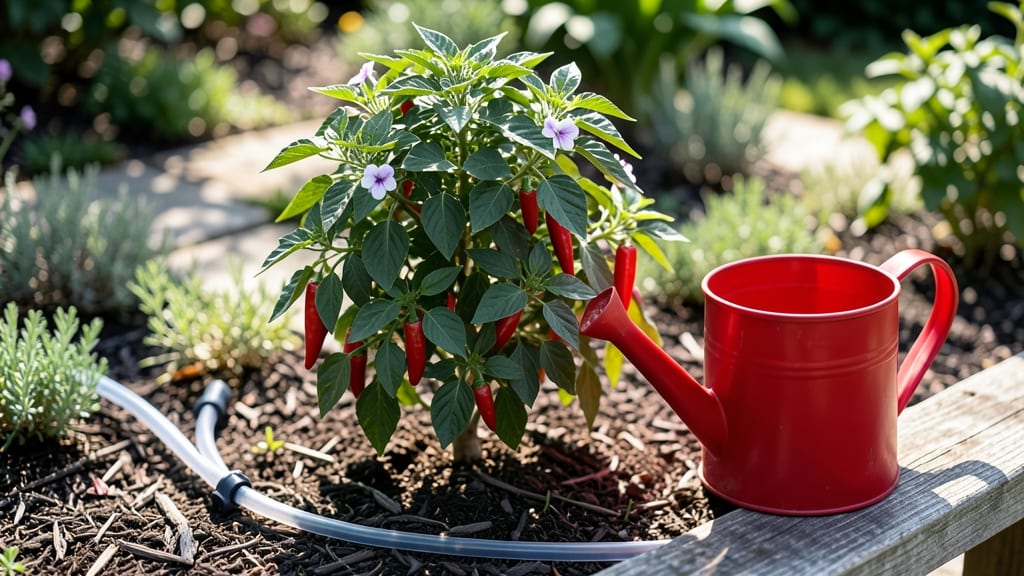
Watering cayenne peppers wrong can mean fiery disappointment instead of bold harvests. 🌶️ I learned this the hard way when my plants produced puny peppers with half the heat after inconsistent watering—until I cracked the code on steady moisture and seasonal adjustments.
The secret isn't just how much you water, but when and how. Cayennes hate soggy roots but despise drought even more. Aim for 1-1.5 inches of water per week, delivered at soil level—not overhead—to keep roots happy and peppers packing maximum heat.
Container plants dry faster, so check soil moisture daily in summer. You'll know you're doing it right when plants stand tall with glossy leaves and new blooms appear every 10-14 days. The peppers will swell with vibrant color and develop that signature cayenne kick.
Too much water? Yellow leaves and blossom-end rot. Too little? Wilting and stunted growth. Works for both in-ground beds and containers, with adjustments for summer heatwaves and winter dormancy. Let's get those peppers firing up!
📚 In This Guide
- What you need
- Instructions
- Tips and common mistakes
- Wrapping up and next steps
What you need
- ● Cayenne pepper plants – Healthy, potted or in-ground (ensure they’re at least 3–6 inches tall for best results).
- ● Watering can or hose with a gentle spray nozzle – A 1–2 gallon capacity is ideal for most containers.
- ● Well-draining soil mix – A blend of 60% potting soil, 30% perlite or vermiculite, and 10% compost (cayenne loves aeration!).
- ○ pH testing kit (optional but helpful) – Cayenne thrives in soil pH 6.0–6.8; adjust with lime or sulfur if needed.
- ● Organic fertilizer (balanced, 10-10-10 or similar) – Use sparingly (½ tsp per gallon of water) every 4–6 weeks.
- ● Mulch (straw, shredded leaves, or pine needles) – 1–2 inches thick to retain moisture and deter weeds.
- ● Timer or moisture meter – Ensures you water at the right times (more on this later!).
- ● Drip irrigation system – For large gardens; delivers consistent, shallow watering (¼ inch per week).
- ● Fish emulsion or compost tea – Boosts soil microbes and heat production naturally.
- ● Shade cloth (30–50%) – Protects young plants from midday sun stress during hot spells.
- ● Spray bottle with distilled water – Perfect for light misting on leaves to prevent fungal issues.
- ● Journal or app (e.g., Gardenate) – Track watering schedules, soil conditions, and plant progress.
Step-by-Step guide to watering cayenne peppers for maximum heat
Here's how I keep my cayenne plants thriving—consistent moisture without drowning their roots.
💧 Step 1: Water Deeply After Planting
Right after transplanting, water the cayenne pepper plant until water flows freely from the drainage hole. This settles the soil and removes air pockets around the roots. I use room-temperature water to avoid shocking the plant—cold water can stunt early growth. You'll know it's enough when the top inch of soil feels damp but not soggy.
Don't let the soil dry out completely in the first week—this is when roots establish themselves. I check daily by sticking my finger in the soil. If it feels dry just below the surface, it's time to water again. Cayennes hate drying out after transplanting, so I keep a spray bottle nearby for light misting between deep waterings.
☀️ Step 2: Establish a Consistent Watering Schedule
Once established, cayenne peppers need about 1 inch of water per week, but I adjust based on heat and humidity. During hot summer days, I water every 2-3 days until the top inch of soil feels dry to the touch. In cooler weather, I stretch it to 4-5 days—the plant's growth slows, so it needs less.
I water in the morning so the foliage has time to dry before evening. Wet leaves overnight invite fungal diseases like powdery mildew, which can ruin your harvest. You'll see the plant's leaves perk up after watering—that's your cue it's getting just the right amount.
🌱 Step 3: Monitor Soil Moisture, Not Just Time
Instead of relying on a calendar, I check soil moisture before watering. Stick your finger 1-2 inches deep—if it feels dry, it's time. Overwatering is worse than underwatering for cayennes; yellowing leaves or wilting stems can signal root rot if the soil stays too wet.
I've learned to watch the plant's color too. Healthy cayenne leaves stay deep green, while underwatered plants develop a dull, grayish tint. If you see the leaves curling at the edges, that's a sign to water immediately. The plant will bounce back within a day if caught early.
✂️ Step 4: Adjust for Heat and Fruit Production
When cayenne peppers start flowering and fruiting, they need more consistent moisture. I increase watering slightly during this stage—about 1.5 inches per week—to support the extra demand of producing peppers. Dropping a pepper or two is normal, but if the entire plant wilts despite regular watering, it might be struggling with root stress.
Here's the thing—cayennes are drought-tolerant once established, but they produce better heat when kept evenly moist. I've noticed my hottest peppers come from plants that never dry out completely. If you're growing for maximum capsaicin, don't let the soil go bone-dry between waterings.
🪴 Step 5: Use Mulch to Retain Moisture
Spread a 2-3 inch layer of organic mulch around the base of your cayenne plant, keeping it a few inches away from the stem. This helps retain moisture and regulates soil temperature. I use straw or shredded leaves because they break down slowly and improve soil structure over time.
Mulch also prevents soil splashes on leaves, reducing disease risk. I refresh the mulch layer every few weeks as it decomposes. You'll see fewer weeds popping up too—that's a bonus! The mulch keeps the soil consistently moist, so I don't have to water as frequently once it's in place.
Tips & tricks for Perfect cayenne pepper hydration
Took me years to figure out why some cayenne plants thrived while others struggled—it all comes down to these hydration secrets.
Soil Moisture Test: The finger-check method in Step 3 is your best friend. Press your finger 1-2 inches deep—if it feels dry, water immediately. I've learned to trust this over guesswork. For containers, check the weight: a dry pot feels noticeably lighter than one with adequate moisture. This simple test prevents both underwatering and overwatering, which can both stress your cayenne.
Watering Time Matters: Morning watering (as mentioned in Step 2) gives leaves time to dry completely before evening. I've seen powdery mildew ruin entire harvests when plants stayed wet overnight. If you must water in the evening, do it at least 4 hours before sunset to allow foliage to dry. A quick spray with a hose attachment helps mimic natural dew evaporation.
Root Health Indicator: In Step 4, when your cayenne starts flowering, watch for yellowing between veins—this is the first sign of overwatering. Healthy leaves should stay vibrant green. I've saved many plants by adjusting to the 1.5 inches per week recommendation during fruiting stages. The key is consistency: cayennes hate sudden changes in moisture levels once they're producing peppers.
Container Considerations: If growing in pots, use containers with drainage holes—this is non-negotiable. I've seen cayennes in sealed pots develop root rot within weeks. For containers, water when the top inch feels dry, but remember they dry out faster than in-ground plants. Terracotta pots dry out quicker than plastic, so adjust your schedule accordingly.
Pro Tips for Cayenne Pepper Watering
- Took me years to figure out why some cayenne plants thrived while others struggled—it all comes down to these hydration secrets.
- Soil Moisture Test: The finger-check method in Step 3 is your best friend.
- Watering Time Matters: Morning watering (as mentioned in Step 2) gives leaves time to dry completely before evening.
Frequently asked questions
Got questions about keeping your cayenne peppers happy with water? We’ve got answers! Here are some of the most common concerns—plus quick fixes to keep your plants thriving.
How often should I water cayenne pepper plants?
Cayenne peppers need consistent moisture but hate soggy roots. Water when the top 1-2 inches of soil feel dry—usually every 2-3 days in hot weather or 4-5 days in cooler conditions. Use the "finger test" to avoid over- or under-watering.
Can I use cayenne pepper watering as a natural fertilizer?
Yes! Mix 1 tsp of cayenne powder per gallon of water (let it steep for 24 hours) to create a mild, spicy fertilizer. Dilute further for seedlings or sensitive plants. Pro tip: Avoid spraying directly on leaves—focus on the soil to prevent burns.
What if my cayenne leaves turn yellow or wilt?
Yellow leaves often mean overwatering (check for mushy stems) or nutrient deficiency. Wilting can signal underwatering or root stress. Adjust your watering schedule, improve drainage, and add compost. If pests like aphids are present, rinse leaves with soapy water.
Is cayenne pepper water safe for all plants?
No—stick to pepper plants, tomatoes, and herbs (like basil or oregano). Avoid using it on delicate flowers, citrus, or succulents, as the capsaicin can harm them. Always test a small area first!
What’s a good alternative if I don’t have cayenne?
Try chili powder, paprika, or even coffee grounds (diluted) for a similar boost. For hydration, fish emulsion or seaweed extract can replace the spicy kick while adding nutrients. Just ensure your plants get proper watering—spice is the bonus!
Wrapping up and next steps
Mastering the art of cayenne pepper watering isn’t just about keeping your plants alive—it’s about unlocking their fiery potential! 🌶️ By balancing hydration, soil health, and spice-specific care, you’re well on your way to harvesting bold, vibrant peppers.
Remember, consistency is key, and a little extra love (like mulching or adjusting for humidity) can make all the difference.
Ready to take your cayenne game to the next level? Start experimenting! Try growing a few varieties side by side, tweak your watering schedule, or even share your progress with fellow spice enthusiasts. Every drop counts—your future harvests will thank you! 🌱✨