
Container Gardens
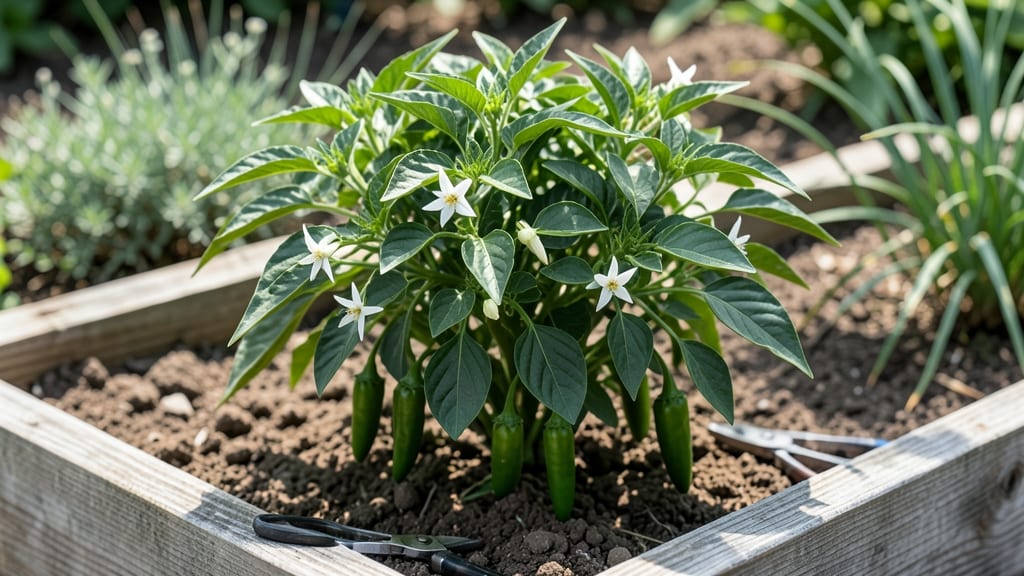
Shishito peppers in pots turn your balcony into a sizzling summer kitchen. 🌱 I’ve grown them for three years now, and the secret to their sweetness—and avoiding the dreaded bitter surprise—is training them up a pole, not letting them sprawl.
The first time I tried this, I ended up with a foot-long pepper that tasted like a mild chili. Now? I get 50+ tender, slender peppers per plant, all perfect for quick stir-fries.
You’ll need a 5-gallon container (or larger) with drainage holes, lightweight potting mix, and a sturdy trellis or bamboo stake. Shishitos love 6+ hours of sun daily, but they’ll tolerate partial shade if you keep them well-watered.
The key is consistent moisture—let the top inch dry between waterings, but never let them wilt. Overwatering is the fastest way to lose your harvest.
By late summer, your pole will be heavy with peppers, and you’ll be harvesting every 2-3 days to keep production going. The peppers stay sweetest when picked young—just snip the whole stem and let the plant focus on new growth.
Prune occasionally to encourage bushier growth, and watch as your neighbors ask where you bought those "magic peppers."
This method works in small spaces, on patios, or even indoors near a sunny window. The only real challenge? Keeping up with the harvest before the birds do. Trust me, once you taste homegrown shishitos—crisp, tender, and never bitter—you’ll never buy them again.
📚 In This Guide
- What you need
- Instructions
- Tips and common mistakes
- Wrapping up and next steps
What you need
- ● Container: At least 5-gallon pot (12–15 inches deep) per plant. Opt for fabric grow bags or terra cotta for better drainage.
- ● Potting Mix: High-quality, well-draining mix (e.g., 60% organic matter, 30% perlite/pumice, 10% compost). Avoid garden soil—it compacts!
- ● Shishito Pepper Seeds or Seedlings: 3–5 plants (start seeds indoors 8–10 weeks before last frost or buy transplants). Choose ‘Shishito’ or ‘Japanese Shishito’ varieties.
- ● Fertilizer: Balanced, organic fertilizer (e.g., 10-10-10 or fish emulsion) + calcium supplement (e.g., crushed eggshells or lime) to prevent blossom-end rot.
- ● Support System: Trellis or tall stake (6–8 feet) for pole training. Use bamboo stakes or a DIY wooden lattice.
- ● Pruners or scissors (sterilized) for trimming.
- ○ Gloves (optional, to avoid blistering from peppers).
- ● Watering can with a fine rose (for gentle watering).
- ○ pH Testing Kit (optional but handy—shishitos thrive at 6.0–6.8 pH).
- ● Mulch (straw or shredded leaves) to retain moisture and suppress weeds.
- ● Sunlight: 6–8+ hours of full sun daily (south- or west-facing spot is ideal).
- ● Temperature: Warm soil (70°F+) and air (60°F+ at night). Use a heat mat if starting seeds early.
- ● Water Access: Consistent moisture (but avoid soggy soil). Pots dry out faster than ground soil!
Step-by-Step instructions for growing shishito peppers in pots
Here's my foolproof method for growing sweet, prolific shishito peppers in containers—no bitter surprises, just pole-trained abundance.
🌱 Step 1: Choose the Right Pot and Fill With Well-Draining Mix
Start with a container at least 12-14 inches deep and 12 inches wide—shishito roots need space to spread. I use fabric grow bags because they prevent root circling and allow excess water to evaporate. Fill the bottom 2 inches with perlite or coarse sand for drainage, then add your potting mix up to 1 inch below the rim.
Moisten the mix until it's damp like a wrung-out sponge—you shouldn't see puddles, but it should hold together when squeezed. Shishito peppers hate soggy roots, so this drainage layer is non-negotiable. I always add a handful of compost to the bottom half of the mix for slow-release nutrients.
☀️ Step 2: Plant Seeds or Transplants and Set Up Support
Sow 2-3 seeds per pot at a depth of ¼ inch, spacing them 2 inches apart. Cover lightly with soil and mist gently with water. If using transplants, dig a hole twice as wide as the root ball and place the plant so the top of the root ball sits ½ inch below soil level.
Install a 5-foot tall bamboo stake or trellis immediately after planting. Shishito peppers grow vertically, and training them to climb saves space and improves air circulation. Tie the main stem loosely to the support with soft plant ties as it grows—never let the vine rub against the pole, or you'll risk stem damage.
💧 Step 3: Water Deeply and Maintain Consistent Moisture
Water thoroughly until water runs out the drainage holes, then wait until the top 1-2 inches of soil feel dry before watering again. Shishito peppers need 1-1.5 inches of water weekly, but they're drought-tolerant once established. I water in the morning so the foliage dries quickly, preventing fungal diseases.
Here's the thing—shishito peppers wilt dramatically when thirsty, but they bounce back fast. If you see leaves drooping by midday, that's your cue to water. Once flowers appear, increase water slightly to support fruit development, but never let the soil stay soggy—root rot is the #1 killer of container-grown peppers.
✂️ Step 4: Prune and Fertilize for Maximum Yield
When the plant reaches 24 inches tall, pinch off the top set of leaves to encourage bushier growth. This creates more side branches where peppers will form. Remove any suckers (those little shoots in the leaf axils) unless you want extra plants—shishito peppers grow prolifically, and you'll have enough without them.
Feed with a balanced liquid fertilizer (10-10-10) every 4-6 weeks starting when flowers appear. I mix it at half-strength to avoid burning roots. Watch for white flowers—these indicate the plant is ready to set fruit. Once peppers form, reduce fertilizer to prevent excessive leaf growth at the expense of harvests.
🌿 Step 5: Harvest and Train for Continuous Production
Pick peppers when they're 4-6 inches long and bright green—this encourages more flowers and fruit. I harvest every 3-4 days during peak season to keep the plant producing. Use kitchen shears or a sharp knife to avoid damaging the stem. Shishito peppers are delicate, so handle them gently to prevent bruising.
As the season progresses, train new growth along the trellis by gently weaving vines around the support. This keeps the plant compact and makes harvesting easier. If your pot gets crowded, you can even let one vine trail over the edge—shishito peppers will still produce, though yields may drop slightly.
Tips & tricks for pole-trained shishito peppers
These little-known tricks will help you grow sweet, prolific shishito peppers in containers without the bitter surprises.
Drainage is Non-Negotiable: In Step 1, don't skip that 2-inch drainage layer of perlite or coarse sand. I've seen soggy soil turn shishito roots into a mushy mess—once you get root rot, there's no saving the plant. If your pot doesn't have drainage holes, drill them yourself or use a fabric grow bag with built-in aeration.
Seed Starting Hack: When sowing your 2-3 seeds per pot in Step 2, plant them in a small biodegradable pot first. Once they sprout and develop their first true leaves, transplant them into your main container. This gives you stronger seedlings that establish faster and reduces the shock of transplanting later.
Watering Wisdom: The 1-1.5 inches of water weekly guideline in Step 3 is perfect, but here's the secret: use a moisture meter to check soil moisture. Shishito peppers wilt dramatically when thirsty, but they bounce back quickly. If your meter reads dry at 1-2 inches deep, that's your cue—don't wait until the leaves start drooping. Morning watering is key to prevent fungal diseases, but if you must water in the evening, make sure the foliage dries completely by nightfall.
Pruning Payoff: In Step 4, when you pinch off the top set of leaves at 24 inches tall, you're not just encouraging bushier growth—you're creating more side branches where peppers will form. This is where the magic happens for prolific yields. I also recommend removing any yellowing leaves immediately, as they compete with the plant for nutrients that could be going toward pepper production.
Pro Tips for Growing Shishito Peppers In Pots
- These little-known tricks will help you grow sweet, prolific shishito peppers in containers without the bitter surpri...
- Drainage is Non-Negotiable: In Step 1, don't skip that 2-inch drainage layer of perlite or coarse sand. I've seen sog...
- Seed Starting Hack: When sowing your 2-3 seeds per pot in Step 2, plant them in a small biodegradable pot first. Once...
Frequently asked questions
How deep should the pot be for shishito peppers?
Shishito peppers thrive in pots that are at least 12–18 inches deep to accommodate their roots. A wider pot (12–18 inches in diameter) also helps stabilize the plant as it grows taller. If using a smaller pot, opt for a determinate variety or prune regularly to keep the plant compact.
When is the best time to plant shishito peppers in pots?
Start seeds indoors 8–10 weeks before your last frost date (or buy transplants). Move pots outdoors after all danger of frost has passed and soil temps reach 70°F+. In warm climates, plant in early spring for a summer harvest.
Why are my shishito peppers turning bitter?
Bitterness often stems from over-maturity, stress, or heat. Harvest peppers when they’re 2–4 inches long and bright green. Avoid letting plants dry out or wilt—consistent moisture keeps flavors mild. If already bitter, use them in cooked dishes where heat reduces bitterness.
Can I grow shishito peppers in pots without a trellis?
Yes! While pole-training maximizes yield, shishito peppers can grow bush-style in pots. Choose compact varieties or prune regularly to control size. Just ensure pots are large enough (18+ inches deep) and provide supportive stakes if needed to prevent toppling.
How do I prevent pests (like aphids or hornworms) in container-grown shishito peppers?
Keep pests at bay with neem oil, row covers, or hand-picking hornworms. Ensure pots have drainage holes to avoid soggy soil (a magnet for fungus gnats). Companion plants like basil or marigolds can also deter pests naturally.
Wrapping up and next steps
Growing shishito peppers in pots is a rewarding journey that brings fresh, flavorful harvests right to your doorstep—no yard required! With the right container, sunlight, and a little patience, you’ll enjoy mild, tender peppers perfect for stir-fries, snacks, or gifting.
Whether you’re a seasoned gardener or a curious beginner, this method proves that container gardening can deliver big results in small spaces.
Ready to expand your green thumb? Start by gathering your supplies, then dive into training your plants for pole-tamed abundance. Happy growing—your taste buds (and dinner guests) will thank you! 🌱🌶️