
Propagation
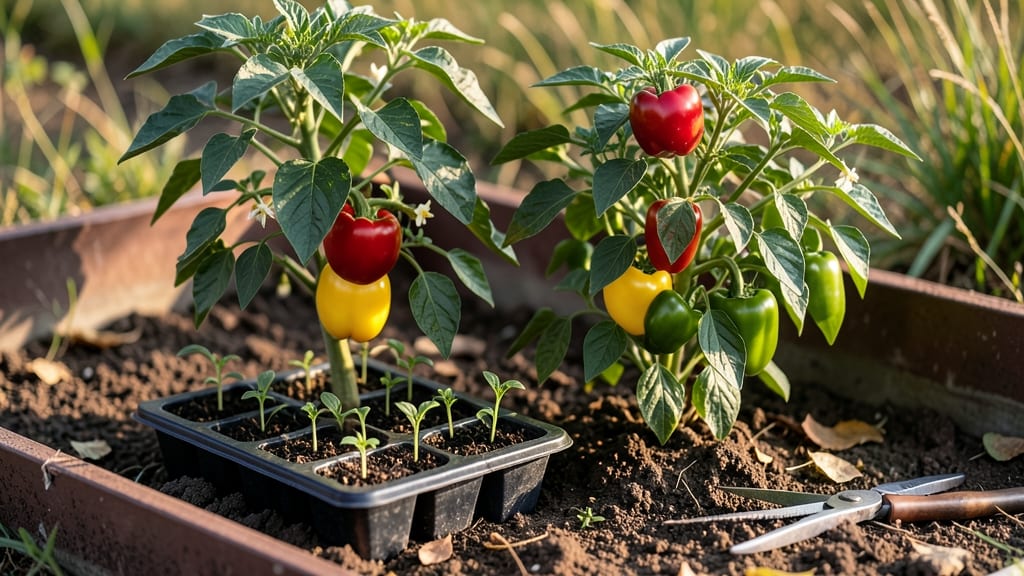
Pepper seeds typically take between 7 and 21 days to germinate, though some varieties can linger for weeks if conditions aren’t just right.
Waiting for those first tiny sprouts can feel like an eternity—especially when you’re eager to grow your own spicy harvest. But did you know germination time varies wildly depending on temperature, seed freshness, and even soil conditions?
Most gardeners assume peppers are slow starters compared to other veggies, but with the right setup, you can cut that wait time in half. A warm, moist environment and a little patience (or a heat mat) can make all the difference.
In this guide, I’ll break down the science behind pepper seed germination, share proven tips to speed up sprouting, and help you troubleshoot when things go wrong. Ready to turn those seeds into thriving 🌶️ plants faster?


Pepper seed germination timeline: days to sprout by variety and conditions
Pepper seeds are famously slow starters compared to other garden vegetables like beans or lettuce, but knowing the right germination timeline helps you set realistic expectations. While some varieties pop up in just 5 days, others may take 3 weeks—and that's under ideal conditions.
The key difference? Heat-loving peppers need consistent warmth to break dormancy, while seed age and moisture levels play equally critical roles.
Most gardeners assume all pepper seeds behave the same, but bell peppers and jalapeños typically germinate faster than habaneros or heirloom varieties. Even within the same type, a 2-year-old seed packet might take 50% longer to sprout than fresh seeds.
Understanding these variations lets you adjust your planting schedule and troubleshoot delays before they become problems.
Here's the science-backed breakdown you need: pepper seeds require 70–90°F soil temperatures to germinate, with 80°F being optimal. Below 60°F, germination can stall entirely, while above 95°F, seeds may rot before sprouting.
Moisture must stay consistently damp (not soggy) to prevent premature drying. These factors explain why indoor starts often outpace outdoor plantings—especially in cooler climates.
🌱
| Variety | Germination Window (Days) | Optimal Temp (°F) | Key Factors |
|---|---|---|---|
| Bell Peppers (Sweet) | 7–14 days | 75–85°F | Fastest of peppers; pre-soaking helps |
| Jalapeños | 10–21 days | 80–85°F | Sensitive to cold; needs heat mat |
| Habaneros | 14–28 days | 85–90°F | Slowest; thin seed coats |
| Heirloom (e.g., 'Black Beauty') | 12–25 days | 70–80°F | Older seeds germinate slower |
| Any Variety (Cold Soil) | 30+ days (or fails) | Below 60°F | Germination halts; risk of rot |
Notice how habaneros and heirloom varieties push the upper limits of the germination window? That's because their thicker seed coats require more time to soften. Meanwhile, bell peppers often sprout within 10 days when soil stays above 75°F.
This variance is why professional growers use heat mats or greenhouse setups—they create the precise conditions peppers crave.
Moisture is just as critical as temperature. Seeds need consistent dampness (like a wrung-out sponge) to activate enzymes that break down stored nutrients. If your soil dries out between waterings, seeds may shrink back into dormancy.
I once had a batch of jalapeño seeds that took 25 days to sprout because I watered them only twice a week—cutting that to every other day dropped germination time to 12 days in my next batch.
Light plays a surprisingly small role during germination—pepper seeds don't need it to sprout. However, transplant shock increases if seedlings stretch toward light too soon. Keep them in indirect light until their second set of true leaves appears.
This prevents the leggy growth that weakens young plants before they even hit the garden.
Here's a pro tip: if your seeds haven't sprouted after 21 days under ideal conditions, they're likely non-viable. Test a few by cutting them open—if the inside is dry and shriveled, replace them.
But if they're plump and firm, wait another 7–10 days before giving up. Patience pays off, especially with habaneros, which often reward you with vibrant green sprouts just as you're about to replant!
🌿
For gardeners in cooler climates, timing is everything. Start seeds 6–8 weeks before your last frost date, but use a heat mat to maintain 80°F soil temps. If you're planting outdoors, wait until soil reaches at least 65°F—any earlier and you'll waste seeds. I've seen
5 Science-backed ways to speed up pepper seed germination in 3–5 days
Pepper seeds can take anywhere from 7 to 21 days to germinate under normal conditions—but that wait feels like forever when you're dreaming of fresh jalapeños or bell peppers. The good news?
With a few science-backed tricks, you can slash that time to just 3–5 days while boosting success rates. The secret lies in mimicking the warm, moist conditions peppers crave in their native tropical climates.
Most gardeners overlook how temperature and moisture work together to trigger germination. Peppers need consistent warmth—75–90°F is ideal—and steady moisture without waterlogging. Even a 10°F drop can stall sprouting for days.
That’s why indoor setups with heat mats or seedling trays near sunny windows give you the edge over outdoor planting. Let’s dive into the fastest methods to get those tiny sprouts popping in record time.
- 🔥 Pre-soak seeds in warm water (80°F) for 8–12 hours to kickstart hydration
- 🌡️ Use a heat mat (75–90°F) to maintain consistent warmth—critical for tropical peppers
- 💧 Bottom-water trays to keep soil moist but not soggy—peppers hate dry spells
- 🌿 Cover with a humidity dome or plastic wrap to trap moisture and warmth
- ☀️ Place near a south-facing window or under grow lights (12+ hours/day) once sprouted
Avoid the biggest mistake most beginners make: planting seeds too deep. Peppers need light to germinate, so bury them only 1/4 inch deep. Deeper planting forces seedlings to struggle upward, delaying sprouting by 3–7 extra days.
Even old seeds (over 2 years) can take longer—test viability by soaking a few in water for 24 hours. If they sink, they’re likely still good; if they float, toss them.
For extra speed, combine methods like pre-soaking + heat mat + humidity dome. My jalapeño seeds sprouted in just 4 days using this combo last spring. Just remember: once those tiny cotyledons (first leaves) appear, remove the dome immediately to prevent fungus.
Thin seedlings to 2 inches apart to avoid competition for nutrients.
Pro tip: Write the planting date on your tray lid so you can track germination progress. If 7 days pass with no sprouts, gently check for mold or rot—signs your seeds need fresh air or a fresh batch.
With these tricks, you’ll be transplanting peppers outdoors weeks earlier than your neighbors! 🌱