
Pests and Diseases
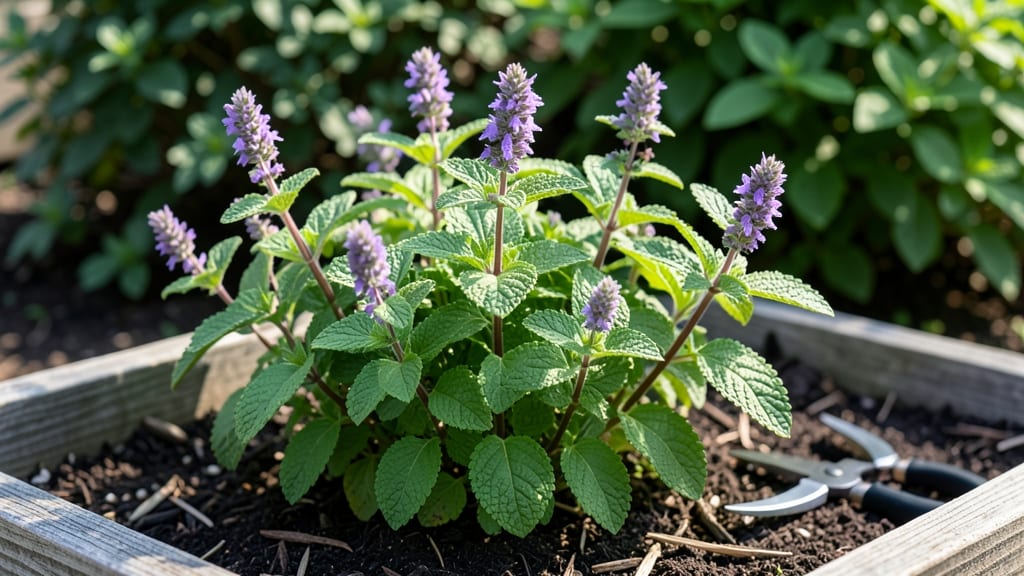
Peppermint isn't a single leaf but rather the dried leaves from the Mentha × piperita plant, a hardy hybrid herb in the mint family. These aromatic green leaves are what we harvest for cooking, remedies, and garden decor.
When we talk about "peppermint," we're actually referring to the entire plant's leafy growth, not just one leaf. 🌿 The plant itself is a low-growing perennial with square stems and vibrant green leaves that release that signature refreshing scent when crushed.
What makes peppermint unique is its hybrid nature—it's a cross between watermint and spearmint, which is why it has such a distinct flavor profile that's stronger than its relatives.
The leaves are the star component, but understanding the whole plant helps explain why peppermint has been used for centuries in everything from teas to natural remedies.
What's interesting is how the plant grows—it spreads aggressively through underground runners, which is why gardeners often contain it in pots. This growth habit means you get a continuous supply of fresh leaves, perfect for both culinary uses like mint jelly or medicinal applications such as digestive aids.
The key to getting the best flavor and potency is proper cultivation, which involves well-drained soil, partial shade, and regular harvesting to encourage bushier growth.
💡 In This Article
- Botanical Breakdown: Peppermint Plant Structure and Growth
- Cultivating Peppermint: Growing Tips for Optimal Leaf Production
Botanical breakdown: peppermint plant structure and growth
The Mentha × piperita plant is classified as a herb—not a leaf—because it's a complete flowering plant with distinct botanical structures. Its leaves are the primary harvestable part, but they grow from a complex system of stems, roots, and nodes that work together.
The plant features square stems (a mint family trait) that grow 12-24 inches tall, with opposite branching patterns that maximize sunlight exposure for leaf production.
What makes peppermint unique is its rhizomatous root system, which spreads horizontally underground via runners. These roots allow the plant to propagate aggressively, creating dense patches of growth.
The leaves themselves are oval-shaped with serrated edges, measuring about 1-3 inches long, and contain high concentrations of menthol and menthone—compounds that give peppermint its signature cooling sensation and strong aroma when crushed. 🌱
The plant's growth cycle begins in spring when new shoots emerge from the rhizomes. Each leaf grows from a node along the stem, and proper spacing (12-18 inches apart) is crucial to prevent overcrowding, which can lead to weaker, less flavorful foliage.
The mint family's square stems contain essential oils in specialized cells just beneath the surface, which is why crushing the leaves releases that iconic scent.
Peppermint's classification as a herb stems from its use of all parts—leaves for flavor, stems for propagation, and even roots for some medicinal preparations. The leaves are harvested when fully developed but before flowering, as this is when their menthol content peaks at 40-50% of their volatile oil composition.
This timing ensures maximum potency for both culinary and medicinal applications.
One fascinating aspect is how the plant's morphology affects its propagation. Unlike many herbs that rely on seeds, peppermint spreads primarily through its rhizomes, making it nearly impossible to eradicate once established. This trait explains why gardeners often grow it in containers—it prevents the plant from taking over garden beds.
The leaves' arrangement in opposite pairs along the square stems creates a dense canopy that maximizes photosynthesis and flavor development.
Understanding this structure helps explain why peppermint leaves are so valuable. The plant's entire growth system is optimized for producing aromatic foliage, with every part working together to create the high-menthol leaves we use in everything from candies to teas.
The combination of its hybrid vigor (from watermint and spearmint parentage) and aggressive growth habit makes it one of the most productive herb crops for leaf harvest.