
Pests
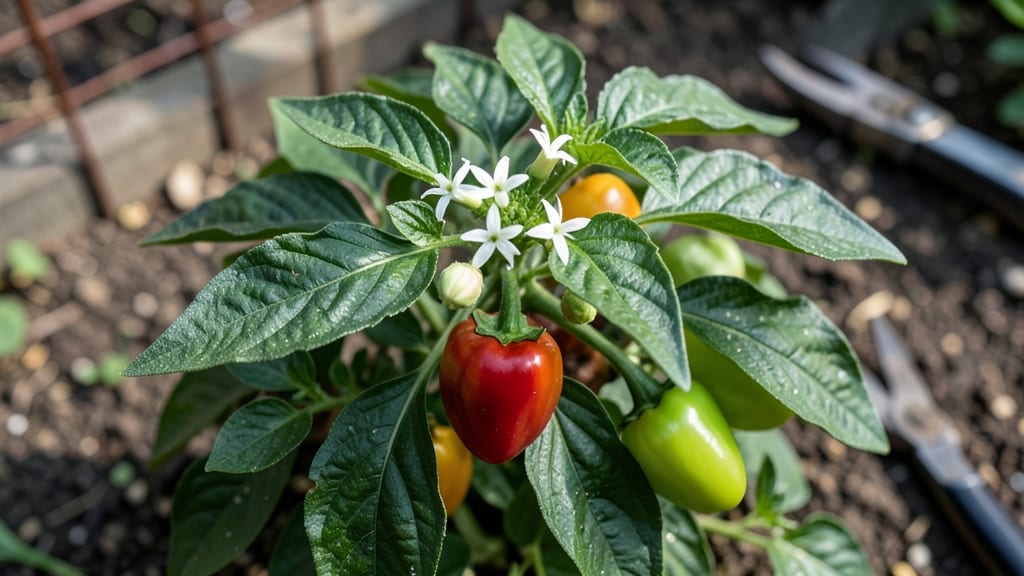
Squirrels can turn your pepper plants into a buffet faster than you can say "spicy harvest." 🌶️ I’ve lost entire beds to these clever critters, but I finally cracked the code with a cayenne-based deterrent that actually works—no more stolen peppers or chewed vines.
The secret lies in blending natural repellents with smart application techniques that squirrels can’t outsmart.
Most store-bought sprays fail because squirrels adapt quickly, but this homemade cayenne blend disrupts their sense of smell and taste—making your garden taste terrible to them. You’ll need just three simple ingredients (all kitchen staples) and a spray bottle, plus a little strategic placement around plant bases and entry points.
The best part? It’s completely safe for your plants and won’t harm beneficial insects like bees.
Within 24 hours, you’ll see squirrels avoiding treated areas entirely. They’ll move on to easier snacks, leaving your peppers to thrive—bold, glossy, and fully loaded with heat. The blend lasts for about 2 weeks before rain washes it out, so reapply after heavy watering or storms.
For extra protection, pair it with physical barriers like chicken wire around young plants.
This method works for all pepper varieties, from sweet bell peppers to fiery habaneros, and even deters other garden bandits like rabbits and deer. No more waking up to half-eaten plants or watching your hard work vanish overnight. Let’s get those squirrels packing their bags for good.
Why Squirrels Invade Your Space
Squirrels may look like harmless, bushy-tailed cuties, but when they invade your yard, garden, or even your home, they can become a real nuisance. Understanding why they’re drawn to your property is the first step in keeping them away for good—especially when you’re planning to use a pepper-based deterrent.
Here’s a breakdown of the key reasons these acrobatic rodents seek out your space, backed by science and behavior.
Squirrels are omnivorous foragers, and their survival depends on finding abundant food sources. When natural food—like nuts, seeds, fruits, or insects—becomes scarce in their wild habitat, they turn to human-provided alternatives. Here’s what attracts them:
- Bird feeders: Squirrels have a keen sense of smell and can detect seeds or grains from up to 50 feet away. If your feeders are easily accessible, they’ll raid them relentlessly.
- Garbage cans: Open trash bins filled with food scraps (especially greasy or sweet items) act like a squirrel buffet. Studies show they’re 20% more likely to frequent areas with unsecured trash.
- Gardens and crops: Young plants, bulbs, and even ripe vegetables (like tomatoes or corn) are prime targets. Squirrels dig with their claws and gnaw through protective barriers.
- Pet food: Left-out kibble or wet food is an easy, high-protein meal. Some squirrels develop a taste for it and return daily.
Pro Tip: 💡 Secure food sources with squirrel-proof feeders, tight-lidding bins, and raised compost piles. If they can’t find easy meals, they’ll move on!
Squirrels need safe, dry places to nest—especially during breeding season (late winter to early spring) and harsh weather. Your property might unknowingly offer the perfect hideout:
- Attics and wall voids: Insulation in attics mimics the cozy, fibrous nests squirrels build in trees. Once inside, they chew wiring, insulation, and even drywall to create their space.
- Tree hollows and dense shrubs: If your yard has mature trees with cavities or thick, untrimmed bushes, squirrels will claim them as territory.
- Outbuildings and sheds: Loose boards, gaps in doors, or piles of wood provide easy access to shelter. A single entry point is all they need.
Did You Know? 🌡️ Squirrels can chew through wood up to ¾-inch thick to create nests. Sealing gaps with steel wool or hardware cloth (not just caulk) is key—squirrels can gnaw through soft materials!
Squirrels are highly intelligent and territorial. They explore new areas to:
- Assess food and shelter resources: Their natural curiosity leads them to investigate unfamiliar spaces, like your yard or balcony. Once they find a reliable food source, they’ll return daily.
- Mark territory with scent: Squirrels rub their cheeks on objects (a behavior called “cheek rubbing”) to deposit scent glands, claiming the area as theirs. This is why they’re drawn to wooden fences, decks, or even your car.
- Follow other squirrels: Squirrels learn from each other. If one discovers a great food spot, others will follow, creating a “squirrel traffic jam” at your property.
Actionable Fix: 🎯 Remove attractants (like fallen fruit or spilled seeds) and block entry points (like gaps under doors). If they don’t find anything rewarding, they’ll lose interest.
Squirrels don’t invade randomly—their habits change with the seasons, and each phase brings new challenges:
| Season | Why They’re Active | What They Target |
|---|---|---|
| Spring | Breeding season means they need protein-rich foods (like birdseed or pet food) to support their young. | Bird feeders, gardens, and attics (for nesting). |
| Summer | They cache food (bury nuts/seeds) for winter, often in lawns or flower beds. | Digging in soil, raiding trash, and chewing through mulch. |
| Fall | They over-eat to prepare for hibernation (though tree squirrels don’t truly hibernate, they become less active). | Acorns, fallen fruits, and stored food in sheds. |
| Winter | Food is scarce, so they raid human food sources more aggressively. | Garbage cans, attics (for warmth), and bird feeders. |
Key Takeaway: ✨ Timing matters. If squirrels are suddenly everywhere in spring, focus on nesting prevention. In winter, secure trash and feeders to cut off their food supply.
Effective Ways to Keep Squirrels Away
Now that you understand why squirrels are drawn to your space, it’s time to take action! The good news is that with the right mix of deterrents, you can create an unwelcome environment for these furry troublemakers.
Below, we’ll map out practical solutions tailored to the most common causes of squirrel invasions—and how to prevent them from happening again.
---
Squirrels hate strong smells, tastes, and textures that irritate their sensitive noses and paws. Cayenne pepper, chili powder, and hot sauce are your best allies here—but how you use them matters.
#### 🔥 For Gardens & Flower Beds Squirrels dig, bury, and snack on plants, so spicy barriers work wonders. - 🍳 Mix a Spicy Spray: Combine 1 tablespoon of cayenne pepper or chili powder with 1 quart of water and a few drops of dish soap (as a sticking agent).
Spray generously around plant bases, tree trunks, and garden edges. - 👨🍳 Create a Spicy Border: Sprinkle hot pepper flakes along garden perimeters or mix them into the soil (1-2 tablespoons per square foot).
Reapply after rain. - 🌱 Plant Pepper-Loving Herbs: Squirrels avoid mint, basil, and rosemary—interplant these near vulnerable areas.
✨ Pro Tip: Avoid overapplying—too much pepper can harm plants. Test on a small patch first!
---
#### 🏠 For Attics, Roofs & Entry Points Squirrels chew wood, nest in attics, and squeeze through tiny gaps. Block access and make their entry points unbearable. - 🔪 Seal Gaps with Spicy Caulk: Mix hot sauce or cayenne powder into outdoor caulk and seal holes, vents, and roof crevices.
The scent will deter them from chewing further. - 🕳️ Install Spicy Mesh: Stretch wire mesh soaked in a pepper-water solution over vents or under decks to block access while keeping squirrels away. - 🌡️ Use Motion-Activated Deterrents: Pair spicy deterrents with ultrasonic repellents or spray bottles (filled with pepper water) near entry points.
💡 Prevention Tip: Inspect your home twice a year (spring and fall) for new entry points—squirrels exploit even the smallest cracks!
---
#### 🍎 For Bird Feeders & Outdoor Food Sources Squirrels are food-motivated opportunists, so make their favorite snacks unappetizing. - 🥘 Spicy Birdseed Mix: Toss 1-2 tablespoons of cayenne pepper into birdseed before filling feeders.
The spice lingers even after rain. - 🎯 Hot Sauce Drizzle: Lightly coat peanut butter or suet cakes with hot sauce before hanging them—squirrels will avoid them instantly. - 🚫 Remove Attractants: Store pet food, trash, and compost in sealed, squirrel-proof containers.
Even a single uneaten apple can lure them in!
🔥 Warning: Never use black pepper or mild spices—squirrels can adapt. Only cayenne, chili, or hot sauce work!
---
#### 🌳 For Trees & Wooden Structures Squirrels gnaw on bark, chew wires, and nest in hollow trees. Make their favorite surfaces uncomfortable. - 🎯 Spicy Bark Wrap: Soak burlap strips or cheesecloth in pepper water, then wrap them around tree trunks or wooden fences.
Refresh every 2-3 weeks. - 🔪 Metal Guards for Wires: If squirrels are chewing electrical wires, install metal mesh sleeves and coat them with pepper-infused petroleum jelly for extra protection. - 🌲 Prune Strategically: Trim branches 6-10 feet from your roof to eliminate squirrel highways.
🎯 Long-Term Fix: Plant thorny bushes (like holly or roses) near problem areas—squirrels avoid them naturally.
--- For maximum effectiveness, combine spicy deterrents with physical barriers and habitat changes: 1. Spray pepper solutions around high-risk zones (gardens, attics, feeders). 2. Block entry points with mesh, caulk, or steel wool.
3. Remove food sources (trash, pet food, fallen fruit). 4. Add predator deterrents (fake owls, wind chimes, or even a radio playing predator sounds).
💡 Final Tip: Consistency is key! Squirrels may return if deterrents fade. Reapply spicy treatments every 1-2 weeks and monitor for new activity.
--- By taking a targeted, multi-step approach, you’ll send squirrels packing—for good. 🚫🐿️💨 Now, let’s keep those spicy defenses strong and squirrel-free!
Frequently asked questions
Will cayenne pepper spray harm my pepper plants?
Not if used correctly! Diluted cayenne pepper solutions are safe for mature pepper plants when applied properly. Use 1 tablespoon cayenne per quart of water and avoid direct leaf spraying. Test on a small area first—some varieties may react sensitively to strong concentrations.
How often should I reapply the pepper deterrent?
Reapply every 1-2 weeks or after heavy rain to maintain effectiveness. For maximum protection, combine with physical barriers like chicken wire around young plants. The spice loses potency when washed away, so consistency is key.
Can I use black pepper instead of cayenne?
No—black pepper won't work! Squirrels can adapt to mild spices. Only cayenne, chili powder, or hot sauce contain enough capsaicin to deter them. Think of it like trying to scare off a bear with a water gun—you need the right "heat" level!
Will this deterrent work on other pests too?
The same spicy blend repels rabbits, deer, and even some rodents. Just adjust concentrations—deer need stronger deterrents (like hot sauce mixed with garlic) while rabbits respond well to cayenne alone. Always test first on vulnerable plants.
What if squirrels keep coming back?
They may have found alternative food sources. Check for unsecured trash, pet food, or bird feeders nearby. Combine the pepper spray with physical barriers (like mesh wraps) and remove all attractants. Persistence is key—squirrels typically give up after 3-5 days of consistent deterrents.