
Companion Plants
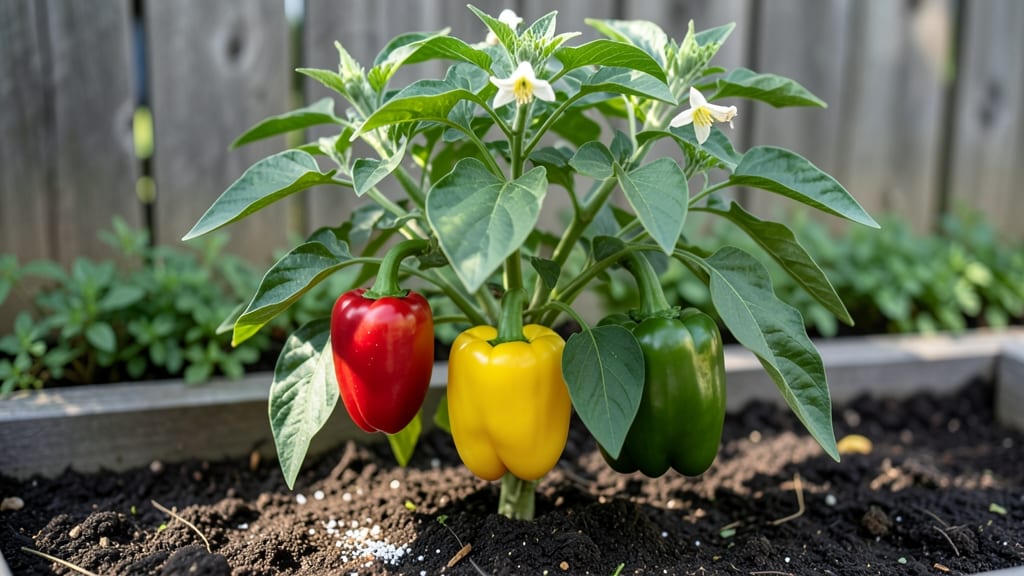
For optimal pepper plant growth, space them at 3 to 4 plants per square foot to balance yield and airflow, though compact varieties can reach up to 6 per square foot in ideal conditions.
Pepper plants thrive when they have enough room to breathe—literally. 🌱 Proper spacing reduces fungal risks like powdery mildew by improving airflow, while also ensuring each plant gets the sunlight it needs for robust growth.
I've found that bush varieties handle denser spacing better than tall types, which need extra room to avoid shading their neighbors. The key is matching your spacing to the plant's mature size and your climate's humidity levels.
In-ground gardens and containers require different approaches. Tall varieties like bell peppers need wider spacing, while dwarf peppers can be packed closer. If you're companion planting, consider adding basil or marigolds—they deter pests and help maximize your garden's efficiency without overcrowding.
💡 In This Article
- Pepper Plant Spacing Science: Why Airflow and Sunlight Matter
- Adjusting Pepper Plant Density by Variety and Growing Conditions
Pepper plant spacing science: why airflow and sunlight matter
Pepper plants need proper spacing to prevent fungal diseases like powdery mildew, which thrives in humid conditions. When plants are too close, moisture lingers on leaves, creating the perfect environment for spores to spread.
The 3 to 4 per square foot guideline ensures airflow circulates, drying leaves faster and reducing infection risks. This spacing also prevents root competition, where plants steal nutrients from each other, leading to weaker stems and smaller yields.
Sunlight distribution is another critical factor. Pepper plants require 6-8 hours of direct sunlight daily to produce fruit. When plants are spaced too tightly, the inner leaves get shaded, causing them to yellow and drop. This reduces photosynthesis, which directly impacts fruit development.
Bush varieties, like 'Jalapeño M' or 'Sweet Banana,' handle denser spacing better because their compact growth habit allows light to reach all sides. Tall varieties, such as 'Bell Boy,' need wider spacing to avoid shading neighbors and maintain upright growth.
Plant maturity plays a huge role in spacing decisions. Seedlings can start closer together, but as they grow, you'll need to thin them out to avoid overcrowding.
For example, a 6-inch-tall pepper plant at 4 weeks old can be spaced 6 inches apart, but by 10-12 weeks, when they reach 2-3 feet tall, you'll want to adjust to 12-18 inches apart for optimal airflow and sunlight access.
This dynamic spacing ensures your plants grow strong and healthy throughout their lifecycle.
Humidity levels also affect spacing needs. In high-humidity climates, like the Southeast U.S., peppers need more space to prevent fungal diseases. Conversely, in arid regions, like the Southwest, you can space them slightly closer because the dry air reduces disease pressure.
For example, in Florida, I've seen growers space peppers at 18 inches apart to combat humidity, while in Arizona, 12 inches apart often works well. Always adjust based on your local climate conditions.
Another key consideration is the plant's growth habit. Determinate (bush) peppers, like 'California Wonder,' produce fruit all at once and can handle closer spacing because they don't grow as tall. Indeterminate (vining) peppers, like 'Carolina Reaper,' keep producing fruit all season and need more space to sprawl.
For indeterminate varieties, consider trellising to save space while still providing the airflow they need. This technique allows you to grow more plants per square foot without sacrificing yield or health.
Finally, root zone competition is a hidden factor. When pepper plants are too close, their roots tangle and compete for water and nutrients. This leads to stunted growth and lower fruit production. A well-spaced plant develops a strong root system that can access deeper soil layers, improving overall plant health.
For instance, a pepper plant with 12 inches of space can develop roots that spread 18-24 inches wide, while crowded plants may only reach 6-12 inches, limiting their nutrient uptake.
By understanding these factors, you can create an environment where your pepper plants thrive, producing more fruit with fewer diseases and less stress. 🌿