
Vegetables
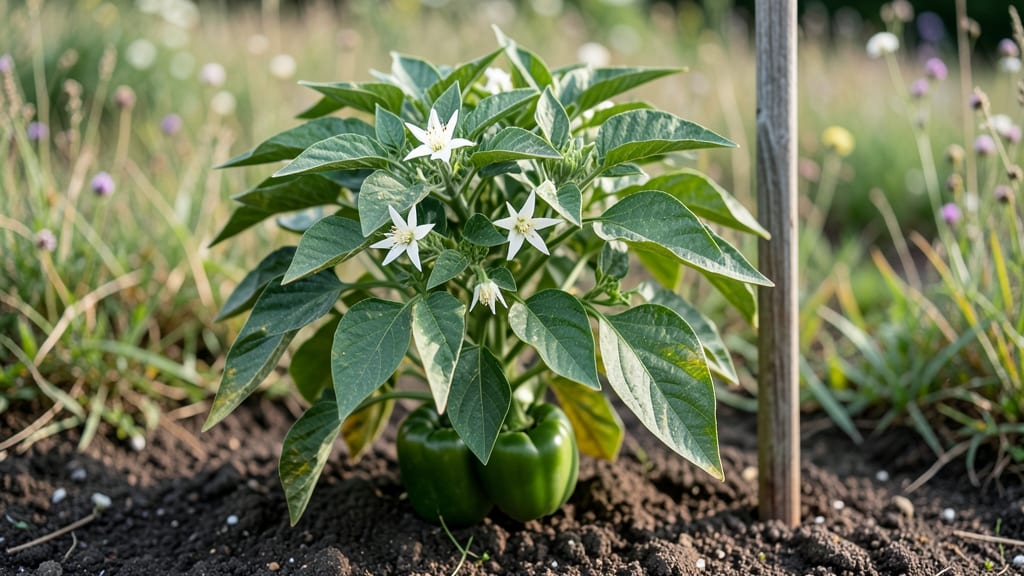
Cold springs don’t have to mean no peppers—just the right varieties and smart timing. 🌱 Last year, my 50-day harvest window vanished when frost lingered past Mother’s Day, but I learned which peppers thrive despite chilly starts and how to protect them until the soil warms.
The secret isn’t just cold-tolerant varieties like ‘Early Jalapeno’ or ‘Armenian Cucumber’—it’s also starting seeds indoors 8-10 weeks before your last frost, using row covers for early outdoor plants, and planting in black plastic to warm the soil faster.
My plants went from fragile seedlings to producing peppers 2 weeks earlier than the neighbors who waited for perfect weather. You’ll end up with a productive harvest even when spring drags its feet. The plants stay healthier, set fruit faster, and resist common cold-spring diseases that plague delayed plantings.
Plus, the peppers develop deeper flavor from slower growth. Works for any climate where spring temperatures fluctuate—from the Pacific Northwest to the Midwest. Here’s how to make it work for your garden.
Understanding Early Spring Chill
Cold springs can throw a wrench into even the most eager gardener’s plans, turning tender pepper seedlings into sad, wilted ghosts before they’ve had a chance to thrive. But why does this happen?
The answer lies in a mix of biology, weather, and timing. Let’s break down the real culprits behind pepper struggles in chilly early seasons—and how to outsmart them.
---
Peppers (Capsicum annuum and relatives) are tropical plants at heart. Unlike hardy crops like kale or spinach, they evolved in warm climates and cannot tolerate frost or prolonged cold.
Their optimal germination and growth temperature hovers between 70–90°F (21–32°C). When spring air lingers below 50°F (10°C), seedlings experience:
- Stunted Growth: Cold stress triggers a metabolic slowdown, halting cell division and nutrient absorption. - Blackened or Mushy Stems: Excess moisture + cold = fungal infections (like Phytophthora or Pythium), which rot roots and stems. - Yellowing Leaves: Chlorophyll breaks down as the plant diverts energy to survival, not growth.
Actionable Fix: Start seeds indoors 8–12 weeks before the last frost, using heat mats to keep soil at 75–85°F (24–29°C). Transplant only after soil warms to 60°F (15°C)—use a soil thermometer to avoid guesswork.
---
Even a light frost (below 32°F/0°C) can devastate peppers.
Their delicate cell membranes rupture when ice crystals form, leading to: - Cell Death: Ice crystals pierce plant tissues, causing brown, mushy patches (irreversible damage). - Delayed Recovery: Peppers may sprout new growth, but stress weakens immunity, making them prone to pests and disease. - Blossom Drop: If flowers form too early, they’ll abort due to cold shock, slashing yield potential.
Actionable Fix: - Protect with Cloches: Use plastic tunnels, row covers, or cold frames to trap heat. - Choose Frost-Tolerant Varieties: Some peppers (like ‘Early Jalapeño’ or ‘Carolina Wonder’) handle brief dips to 30°F (-1°C) better than others. - Hardening Off Gradually: Acclimate seedlings to outdoor temps over 7–10 days before transplanting.
---
Peppers won’t germinate in cold soil—even if air temps rise. Their seeds need warm soil (70–90°F/21–32°C) to activate enzymes that break down stored nutrients.
If soil stays below 60°F (15°C): - Seeds Rot: Fungal pathogens thrive in damp, cool conditions, turning seeds to sludge. - Sprouts Stunt or Die: Weak seedlings can’t push through hard soil, leading to damping-off disease. - Root Struggle: Cold soil restricts oxygen, suffocating young roots and stalling growth.
Actionable Fix: - Use Black Plastic Mulch: Traps heat and warms soil 5–10°F (3–6°C) faster than bare earth. - Plant in Raised Beds: Warms up quicker and drains better than in-ground soil. - Try a "Mini Greenhouse": Cover seed beds with clear plastic domes to create a microclimate.
--- Cold springs don’t just chill peppers—they invite trouble.
Lower temps weaken plants, making them sitting ducks for: - Fungal Invaders: Early blight (Alternaria solani) and bacterial spot thrive in 50–75°F (10–24°C) damp conditions. - Insect Onslaught: Aphids, flea beetles, and cutworms multiply faster in cool, moist air. - Viral Hitchhikers: Weakened plants are more susceptible to tobacco mosaic virus, spread by sap-sucking pests.
Actionable Fix: - Rotate Crops: Avoid planting peppers in the same spot yearly to break disease cycles. - Neem Oil Spray: Apply preventatively to deter pests and fungi. - Space Plants Properly: 18–24 inches apart improves airflow, reducing humidity-related diseases.
--- Rushing to plant peppers in unpredictable springs is a gamble.
If a late frost hits or temps dip unexpectedly: - Transplant Shock: Peppers hate root disturbance—cold-stressed roots take weeks to recover. - Poor Establishment: Slow growth means fewer flowers and fruit by harvest time. - Wasted Effort: Seedlings may bolt (flower prematurely) if stressed, leading to bitter, small peppers.
Actionable Fix: - Wait for Consistency: Aim for 3 consecutive days above 60°F (15°C) before transplanting. - Use a Frost Date Calculator: Check your USDA Hardiness Zone and adjust timing accordingly. - Extend the Season: Try successive plantings every 2 weeks for a staggered harvest.
Fixing Cold Spring Pepper Problems
Cold springs can turn your pepper dreams into a frosty disappointment—but don’t worry! With the right strategies, you can protect your plants, salvage your harvest, and even prevent future chills.
Below, we break down common issues caused by late frosts and early planting, along with practical, step-by-step solutions tailored to each problem.
---
Cause: Late frosts (below 32°F/0°C) can blacken leaves, stunt growth, or kill seedlings before they sprout.
How to Fix It: ✅ Immediate Rescue: - Cover plants at night with frost cloths, old blankets, or plastic sheeting (secure with bricks or stakes). Remove covers by 10 AM to avoid overheating. - Water the soil (not leaves) the night before frost to add insulation. Ice formation on soil releases heat slowly. - Use row covers over newly planted seeds to create a microclimate 2–4°F warmer.
✅ Long-Term Protection: - Wait until after the last frost date (check your USDA zone) or use a soil thermometer—pepppers need soil temps above 60°F (15°C) to germinate. - Start seeds indoors 8–10 weeks before the last frost, then transplant hardened-off seedlings after danger passes. - Choose faster-maturing varieties (e.g., ‘Early Jalapeño’ or ‘Sweet Banana’) for quicker harvests if frost delays planting.
💡 Pro Tip: If seedlings are already damaged, prune blackened leaves with sterilized scissors and focus on new growth. Healthy roots can recover!
---
Cause: Pepper seeds and seedlings won’t thrive in soil below 60°F (15°C), leading to leggy, weak plants.
How to Fix It: ✅ Warm Up the Soil Fast: - Black plastic mulch raises soil temps by 3–8°F—lay it down 2–3 weeks before planting. - Use a cold frame (a DIY box with clear plastic) to trap heat from sunlight. - Plant in raised beds (they warm up quicker than ground soil) and fill with compost for extra heat retention.
✅ Boost Germination Speed: - Soak seeds overnight in warm water (not boiling) to kickstart growth. - Use a seedling heat mat ($15–$25) under trays to maintain 75–85°F (24–29°C) for faster sprouting. - Mix seeds with vermiculite (holds moisture and warmth better than soil).
🔥 Warning: Avoid overwatering cold soil—it cools down faster. Water only when the top inch is dry.
---
Cause: Peppers drop flowers/buds when temps fluctuate between 50–85°F (10–29°C)—common in unpredictable springs.
How to Fix It: ✅ Stabilize the Environment: - Move pots indoors during cold snaps (keep near a sunny window or grow light). - Use shade cloth on hot afternoons if temps spike above 90°F (32°C). - Avoid fertilizing until plants are established (too much nitrogen = more leafy growth, fewer flowers).
✅ Encourage Pollination: - Gently shake plants in the morning to help pollen transfer (peppers are self-pollinating but need a nudge). - Hand-pollinate with a small paintbrush if flowers aren’t setting fruit. - Plant near bees by including pollinator-friendly flowers (e.g., marigolds, basil).
🌡️ Ideal Temp Range: Keep peppers between 70–85°F (21–29°C) day and night for maximum fruit set.
---
Cause: Unpredictable weather leads to repeated setbacks.
How to Fix It (Before Planting!): 📅 Plan Ahead: - Calculate your frost-free date ([Almanac’s Frost Calculator](https://www.almanac.com/gardening/frostdates) is a lifesaver). - Stagger plantings every 2 weeks for a longer harvest window. - Choose cold-tolerant varieties like ‘Arpad F1’ (pepper) or ‘Carolina Wonder’ (bell pepper), which handle brief chills down to 35°F (2°C).
🌱 Soil Prep: - Add compost or aged manure to improve drainage and warmth retention. - Test soil pH (peppers prefer 6.0–6.8)—cold soil can lock up nutrients.
🏡 Extend the Season: - Use row covers until plants are 12 inches tall. - Install a mini greenhouse (even a repurposed plastic storage bin with a clear lid works). - Plant in south-facing beds for maximum sun exposure.
✨ Bonus Hack: Mulch with straw after planting to insulate roots and keep soil temps steady.
--- Final Reminder: Cold springs are tough, but with these proactive steps, you’ll outsmart frost and still enjoy a bountiful pepper harvest. 🌶️🔥
Frequently asked questions
Which pepper varieties handle cold springs best?
Look for fast-maturing, cold-tolerant types like ‘Early Jalapeño’ (60 days) or ‘Carolina Wonder’ bell peppers, which survive brief dips to 30°F (-1°C). ‘Arpad F1’ and ‘Sweet Banana’ also perform well in cooler conditions. These varieties focus energy on root growth first, making them more resilient when temps fluctuate.
Can I still plant peppers if spring frost warnings appear?
Yes, but use protective measures! Cover seedlings with frost cloth or plastic sheeting at night, and remove by 10 AM to prevent overheating. For extra warmth, try a mini greenhouse (clear plastic bins work) or plant in black plastic mulch to raise soil temps. Just wait until soil reaches 60°F (15°C) before transplanting.
How do I know when my pepper seeds will germinate in cold soil?
Peppers need soil at 70–90°F (21–32°C) to germinate—cold soil slows or stops sprouting. Use a seedling heat mat ($15–$25) to maintain warmth, or soak seeds overnight in warm water before planting. If soil stays below 60°F (15°C), start seeds indoors 8–10 weeks before your last frost date. A soil thermometer is your best friend!
Why are my pepper seedlings turning black and mushy?
This is likely damping-off disease, caused by cold, damp soil. Improve drainage by adding compost, reduce watering, and avoid overcrowding seedlings. Sterilize scissors with rubbing alcohol if pruning damaged leaves. For prevention, use vermiculite in seed mixes and keep soil temps above 60°F (15°C).