
Picking
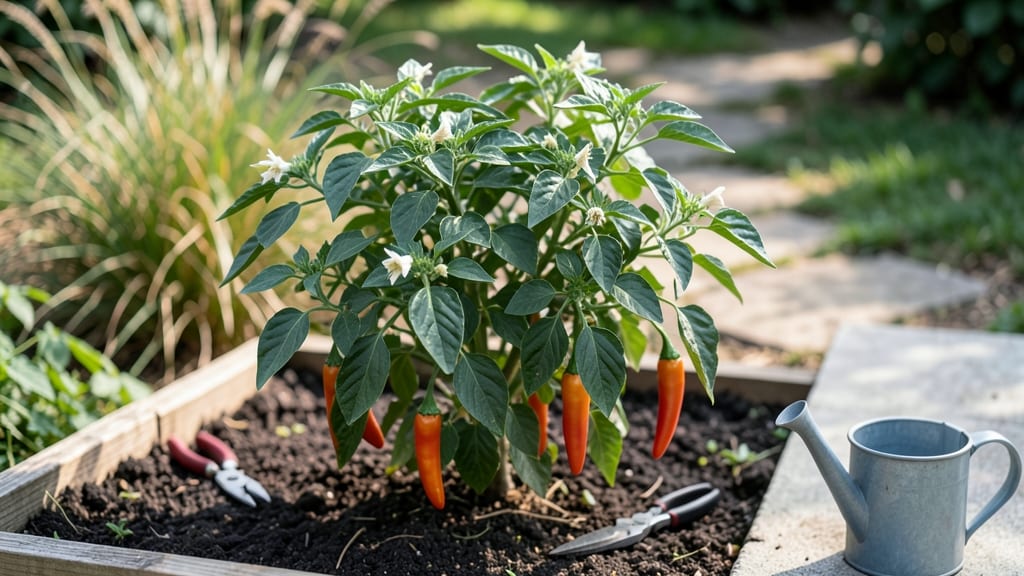
Growing Scott Bonnet peppers means fiery harvests even when summer fades. 🌶️ I learned the hard way that these heat-lovers need specific care to thrive beyond their first flush of fruit.
The secret lies in pole training—my plants now stretch toward the sky, producing 100+ peppers per season instead of the paltry handful I got from bush training.
These peppers demand rich, well-draining soil with a pH between 6.0 and 6.8. I swear by a mix of compost, coconut coir, and perlite to keep roots happy. Watering gets tricky—they hate soggy feet but need consistent moisture.
My system? Drip irrigation on a timer, so I don't forget during busy weeks. And yes, they tolerate heat better than most, but afternoon shade in 90°F+ weather keeps them productive.
By late summer, you'll be harvesting peppers that start green, turn yellow, then red—each with a 100,000-350,000 SHU kick. The flavor? Sweet when green, complex and smoky when red. My first harvest had me reaching for milk every time I bit into one.
Pole training maximizes space, and the plants keep producing until frost if you keep them fed with balanced fertilizer.
Container growing works too—just use a 5-gallon pot and sturdy stakes. Watch for aphids and pepper maggots, but neem oil and row covers keep them at bay.
The real magic? These peppers keep fruiting even as temperatures drop, giving you heat well into fall. Here's how to make it happen without the common pitfalls.
📚 In This Guide
- What you need
- Instructions
- Tips and common mistakes
- Wrapping up and next steps
What you need
- ● Scott Bonnet pepper seeds: 5–10 seeds (or 3–5 seedlings if transplanting). Look for Capsicum chinense varieties labeled as "Scott Bonnet" or "Nola."
- ● High-quality potting mix: 5–10 gallons (or 2–3 cubic feet for in-ground planting). Use a well-draining, peat-based mix with added perlite or vermiculite (e.g., Black Gold Natural & Organic or FoxFarm Ocean Forest).
- ● Containers or garden space: Containers: 5-gallon pots (minimum) with drainage holes. Self-watering pots are ideal for heat tolerance!
- ● In-ground: Full-sun spot (6+ hours/day) with loamy, slightly acidic soil (pH 6.0–6.8).
- ● Fertilizer: Balanced starter: 10-10-10 or 5-5-5 (e.g., Jack’s Classic) at planting.
- ● Bloom booster: 10-30-20 or fish emulsion (e.g., FoxFarm Big Bloom) when flowers appear.
- ● Basic gardening tools: Trowel or transplanting spade
- ● Pruning shears (for pole training)
- ○ Gloves (optional but highly recommended—this pepper packs a punch! 🌶️)
- ● Pole-training system: Bamboo stakes (5–6 ft tall) or a trellis net (for sprawling varieties).
- ● Soft plant ties (e.g., Velcro strips or jute twine).
- ● Watering supplies: Drip irrigation kit or a spray nozzle (avoid wetting leaves to prevent disease).
- ● Mulch: Straw or black plastic mulch (to retain moisture and heat).
- ● Heat mat: For starting seeds indoors (70–85°F soil temp).
- ● Row covers: Lightweight fabric to protect seedlings from pests or late frosts.
- ● PH test kit: To monitor soil acidity (Scott Bonnets thrive in slightly acidic conditions).
- ● Compost or worm castings: For organic nutrient boosts.
- ● Pepper spray: Homemade (1% neem oil) or store-bought (e.g., Bonide Copper Fungicide) for pest control.
Step-by-step instructions for growing Scott Bonnet peppers pole-trained
Here's my foolproof method for training Scott Bonnet peppers vertically—saving space while maximizing heat and harvests.
🌱 Step 1: Start Seeds Indoors at the Right Time
Plant seeds 8-10 weeks before your last frost date in biodegradable pots filled with seed-starting mix. I press each seed ½ inch deep and keep the soil at 75-85°F using a seedling heat mat. Germination takes 10-14 days, so be patient—don't overwater until you see the first true leaves.
Once seedlings emerge, move them to a sunny windowsill or under grow lights for 12-14 hours daily. You'll know they're getting enough light when the stems stay thick and leaves stay dark green. If they stretch toward the light, they're hungry for more intensity.
☀️ Step 2: Harden Off and Transplant to Poles
Two weeks before transplanting, start hardening off seedlings by placing them outside in partial shade for 1-2 hours daily. Gradually increase exposure over 7-10 days until they're out all day. Choose a 5-6 foot tall pole or trellis for each plant—Scott Bonnets grow 3-4 feet tall but produce heavier when supported.
Transplant seedlings into the ground or large containers when nighttime temperatures stay above 55°F. Bury the biodegradable pots 1 inch deep to protect roots, then tie the main stem to the pole with soft plant ties. Water deeply right after planting to settle the soil around roots.
🪴 Step 3: Train and Prune for Maximum Heat
Let the main stem grow until it reaches 18-24 inches tall, then pinch off the top growth to encourage branching. This is where the heat comes in—Scott Bonnets produce more peppers when they have multiple stems. I prune suckers (side shoots) that form in the leaf axils, keeping only 2-3 strong branches per plant.
Remove any flowers that appear on the first 6-8 inches of stem—these early blooms drain energy from root and leaf growth. Once the plant establishes a strong base, let it flower freely. You'll see the first peppers form along the main stem and branches in 60-70 days after transplanting.
💧 Step 4: Water and Feed for Year-Round Heat
Water deeply 1-2 times weekly, aiming for 1-1.5 gallons per plant when soil feels dry 2 inches below the surface. Mulch with 2-3 inches of straw to retain moisture and keep roots cool in summer. Scott Bonnets hate soggy soil—yellowing leaves signal overwatering, while crispy edges mean it's time to hydrate.
Feed every 2-3 weeks with a balanced 10-10-10 fertilizer during the growing season, then switch to a 5-10-10 formula when peppers start forming. The extra phosphorus boosts fruit production. I also add 1 tablespoon of Epsom salt per gallon of water monthly to prevent blossom-end rot.
✂️ Step 5: Harvest and Extend the Season
Pick peppers when they're 2-3 inches long for maximum heat (they'll get milder as they ripen). Use pruning shears to cut stems ¼ inch above the fruit—this encourages more blooms at the node. In warm climates, you can harvest continuously until frost. In cooler areas, bring potted plants indoors near a sunny window or under grow lights for a winter harvest.
Save seeds from the hottest peppers by fermenting them in water for 3-5 days, then drying on paper towels. Store in an airtight container for next year's heat. The key to year-round growing? Keep plants healthy, prune aggressively, and never let them dry out—your taste buds will thank you.
Tips & tricks for pole-trained Scott Bonnet peppers
Here's what nobody tells you about growing these fiery beauties vertically—secrets that'll transform your harvest.
Seed Starting Savvy: That 75-85°F soil temperature range is non-negotiable for Scott Bonnets. I use a seedling heat mat and cover the pots with clear plastic wrap to trap warmth until germination. The first true leaves signal it's time to remove the wrap—this prevents damping off while keeping humidity high enough for tender seedlings.
Pole Training Pro Tip: When transplanting, bury the biodegradable pots 1 inch deep to protect roots, but leave the top rim exposed so you can water directly into the pot for the first week. This gives roots time to establish without competing with established soil microbes. Use soft plant ties (not wire) to avoid girdling the delicate stems as they grow.
Pruning for Power: The 6-8 inch no-flower zone on young plants might seem counterintuitive, but trust me—it works. Those early blooms steal energy that could go to root development and future pepper production. Once your plant hits 18-24 inches, the branching you encourage will produce more peppers than a single stem ever could.
Year-Round Heat Hack: For winter growing, supplement grow lights with a simple incandescent bulb placed near the plants. The extra warmth (just 55°F minimum at night) keeps peppers producing when natural light drops. I run my lights for 12 hours daily during shorter winter days to maintain consistent growth.
Pro Tips for Scott Bonnet Pepper
- Here's what nobody tells you about growing these fiery beauties vertically—secrets that'll transform your harvest.
- Seed Starting Savvy: That 75-85°F soil temperature range is non-negotiable for Scott Bonnets. I use a seedling heat m...
- Pole Training Pro Tip: When transplanting, bury the biodegradable pots 1 inch deep to protect roots, but leave the to...
Frequently asked questions
Got questions about growing Scott Bonnet peppers?
You’re not alone—this fiery, versatile pepper has unique needs! Below, we tackle the most common concerns to help you grow a thriving pole-trained harvest.
How long does it take for Scott Bonnet peppers to mature?
Scott Bonnet peppers typically mature in 75–90 days from transplanting, depending on climate and growing conditions. In warmer regions, they may ripen faster, while cooler areas could extend the timeline. Start seeds indoors 8–10 weeks before the last frost for a head start!
Can I grow Scott Bonnet peppers in containers?
These peppers thrive in 5-gallon containers or larger with proper drainage. Use a lightweight potting mix and train them vertically on a trellis or cage. Just ensure they get 6+ hours of sunlight daily—containers heat up faster, so monitor soil moisture closely.
Why are my Scott Bonnet peppers turning yellow or dropping?
Yellowing leaves or fruit drop often signal underwatering, overwatering, or nutrient deficiencies. Check soil moisture (top inch should be dry), ensure proper drainage, and fertilize with a balanced 10-10-10 or tomato-specific formula every 3–4 weeks. Heat stress or pests (like aphids) can also cause issues—inspect plants regularly!
What’s the best way to prune Scott Bonnet peppers for maximum yield?
Prune by removing suckers (side shoots between main stems and branches) to redirect energy to fruit production. Leave 3–4 main stems and pinch off flowers if you want larger peppers. Avoid heavy pruning late in the season—focus on supporting existing growth rather than aggressive trimming.
Are Scott Bonnet peppers easier to grow than other hot peppers?
They’re moderately easy but require consistent warmth (70°F+) and well-draining soil. Unlike some finicky varieties, they’re disease-resistant and prolific, making them great for beginners with a green thumb. Just watch for blossom-end rot—keep calcium levels balanced with crushed eggshells or a calcium supplement!
Wrapping up and next steps
Growing Scott Bonnet peppers is a rewarding journey that brings bold flavors and year-round harvests to your table—even in the heat! With the right pole-trained setup, heat-resistant varieties, and a few smart tricks, you’ll unlock a spice game that’s as resilient as it is fiery.
Whether you’re a seasoned gardener or just starting out, this guide gives you the confidence to cultivate one of the world’s hottest peppers with ease.
Ready to spice up your garden? 🌱 Start by planting a few seeds or seedlings this season—your taste buds (and bravery) will thank you! For extra inspiration, explore heat-resistant pepper varieties or dive into creative recipes to showcase your homegrown harvest. Happy growing! 🔥