
Plants
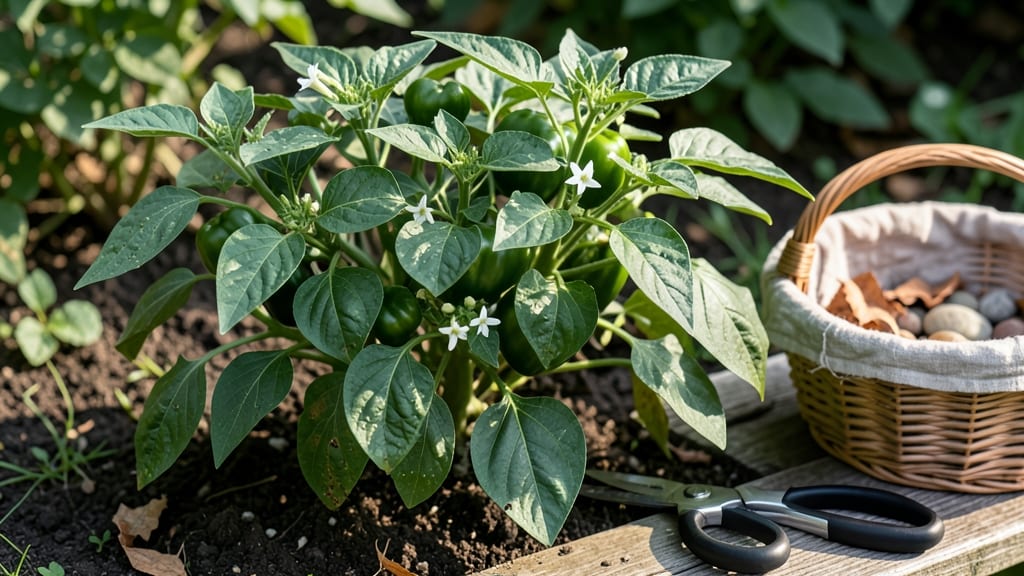
To pick peppers off plants at the perfect moment means catching them at peak flavor—before they turn mealy or bitter, and after they’ve fully matured.
Picture this: you’ve nurtured your 🌶️ bell peppers all season, and now the question is when to snip them for the best taste. Harvest too early, and you lose sweetness; wait too long, and they become tough or even rot on the vine.
The timing matters more than you might think.
Most gardeners focus on color—green, red, or yellow—but the real key is a mix of size, firmness, and even the weather.
A pepper might look ripe but still need a few more days if temperatures are dropping, while others should come off the plant now before they overripe in the heat.
Below, I break down the exact signs to watch for by variety, plus how to keep your plants producing longer—so you don’t end up with a bumper crop all at once. Ready to master the harvest?
Peppers harvest timing by color: when to pick for maximum flavor
Harvesting peppers at the right color stage transforms their flavor profile from bland to extraordinary. Each pepper color signals a different sweetness level and spice intensity, so timing matters.
Green peppers are typically less sweet and more acidic, while red, yellow, and orange varieties develop richer sugars and deeper flavors as they mature. Ignoring these cues can leave you with overripe or underdeveloped pods.
Understanding the maturity timeline of your peppers ensures you reap the rewards of your hard work. For example, a jalapeño picked green will be milder but less flavorful, while waiting for it to turn red unlocks its full heat potential.
Similarly, bell peppers lose crispness and develop a mealy texture if left too long on the plant. Mastering these harvest windows guarantees a bountiful, delicious harvest.
Color isn't the only clue—firmness, size, and even the stem's appearance play critical roles. A pepper ready for harvest should feel slightly firm (not rock-hard) and have a smooth, glossy skin. The stem should snap easily when bent, indicating it’s detached naturally from the plant. These visual and tactile cues, combined with color changes, create the perfect recipe for peak flavor.
| Color Stage | Ideal Harvest Time | Flavor Profile | Best For |
|---|---|---|---|
| Green | 60-75 days after transplant | Tart, crisp, less sweet | Pickling, stir-fries, salsas |
| Yellow | 75-90 days after transplant | Sweet, fruity, mild heat | Raw salads, roasting, sauces |
| Orange | 80-100 days after transplant | Balanced sweetness, caramel notes | Stuffing, grilling, dried peppers |
| Red | 90-120 days after transplant | Sweetest, richest, deepest flavor | Fresh eating, roasting, fermenting |
Green peppers are often harvested early for preservation or commercial use, but they’re far from flavorless. They pack a crisp texture and a tangy bite that works well in pickled dishes or quick-cooked recipes.
However, if you’re growing bell peppers for fresh eating, waiting for them to turn red is worth the wait—they develop 3x more sugar and a softer, richer taste. This transformation happens because peppers convert starches into sugars as they ripen.
Yellow peppers strike a delicate balance between sweetness and acidity, making them ideal for raw applications like salads or lightly cooked dishes. Their bright color and juicy flesh set them apart, but they’re often overlooked in favor of red or green varieties.
If you’re growing jalapeños or serranos, yellow is a great stage to pick for a milder heat while still retaining some spicy kick. The heat intensity peaks at red, but yellow offers a softer transition.
Orange peppers are the underrated gems of the pepper world, offering a caramel-like sweetness that pairs beautifully with grilled meats or roasted vegetables. They’re also richer in vitamins C and A than green peppers, making them a nutritional powerhouse.
To encourage more orange peppers on your plants, ensure they receive full sun exposure and consistent watering. Overwatering can dilute their flavor intensity, so aim for deep but infrequent watering.
Red peppers are the pinnacle of pepper perfection, boasting the sweetest, most complex flavors. They’re packed with antioxidants and vitamin C, making them a healthier choice than their green counterparts.
The key to achieving deep red coloration is patience—these peppers need full maturity, which can take up to 120 days depending on the variety. If your pepper plants struggle to ripen fully, consider pruning excess foliage to redirect energy to the fruit development.
Temperature plays a critical role in pepper ripening. Cool nights below 60°F
Best practices for harvesting peppers by variety (bell, jalapeño, habanero, and more)
Harvesting peppers at the right time ensures maximum flavor and productivity. Each variety has unique signals—size, color, and firmness—that indicate peak ripeness. Ignoring these cues can lead to bitter peppers or stunted plant growth.
I’ve grown everything from sweet bells to fiery habaneros, and timing makes all the difference.
Environmental factors like temperature and sunlight also play a role. For example, jalapeños thrive in warm climates, while bell peppers can tolerate slightly cooler conditions. Understanding these nuances helps you harvest consistently delicious peppers all season long.
Let’s break down the best practices by variety to keep your plants happy and productive.
🌶️ When to Pick Peppers Off Plant: Variety-Specific Guide
- 🌱 Bell Peppers: Harvest when fully colored (green, red, yellow, or purple) and 3-4 inches long. Wait until the skin resists gentle thumb pressure—this means they’re crisp and sweet.
- 🔥 Jalapeños: Pick when 2-3 inches long and firm, typically green or turning red. Overripe jalapeños become bitter and woody, so harvest regularly to encourage more pods.
- 🌶️ Habaneros: Ready when 1-2 inches long and fully colored (orange, red, or yellow). Their thin skin bruises easily, so handle with care. Harvest in the morning for peak flavor.
- 🍊 Poblano Peppers: Aim for 3-4 inches long and deep green. They’ll turn red when fully ripe, but harvesting early keeps them milder and more tender.
- ❄️ Environmental Tip: Avoid harvesting in high heat (above 90°F) or humidity, as this stresses plants. Early mornings are ideal for both harvest and plant health.
Don’t let peppers linger on the plant too long—they’ll stop producing new fruit. For bell peppers, I harvest every 2-3 days during peak season to keep the plant focused on growth. Hot peppers like habaneros and jalapeños can handle slightly longer intervals, but consistency is key.
Watch for color changes as a final cue. A jalapeño turning red signals increased heat, while a bell pepper deepening to red or yellow means peak sweetness. If you miss the window, some peppers (like bells) can still be used green, but flavor and texture suffer.
Pro tip: Use clean, sharp pruning shears to avoid damaging the plant. Cut peppers at a 45-degree angle just above the stem to encourage faster regrowth. This small detail keeps your plants thriving and productive all season.
Remember, the goal is balance—harvest enough to enjoy fresh peppers, but leave some on the plant to ripen fully. This ensures continuous production and a steady supply of homegrown goodness. Happy harvesting! 🌿