
Plants
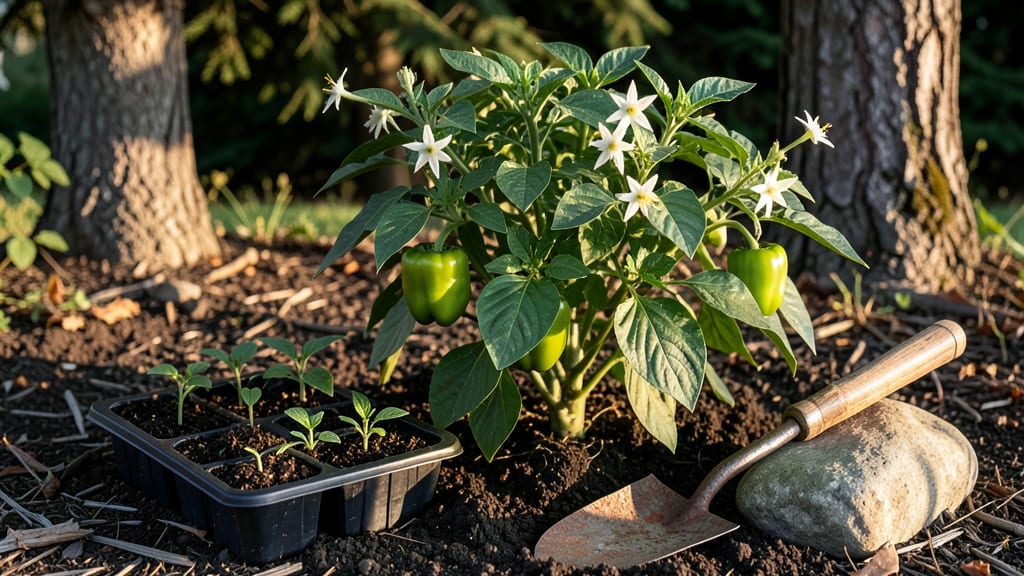
Planting bell peppers in Ohio after the last frost date—typically mid-April to mid-May—sets you up for a bountiful harvest from July to October.
Ohio gardeners know timing is everything—plant too early, and frost will kill them; too late, and you’ll miss the harvest window. But with Ohio’s diverse microclimates, the perfect window varies from northern lakeside chill to southern valley warmth.
This guide breaks down the best planting windows by Ohio region, soil temperature tips, and how to extend your growing season with row covers or cold frames.
You’ll also learn how to avoid common mistakes, like planting too soon or too late, and when to fertilize for the healthiest peppers.
Ohio’s last-frost dates by region: best planting windows for bell peppers
Ohio’s diverse microclimates create unique challenges for growing bell peppers, which thrive in warm soil (60°F+) and consistent temperatures (75–90°F). Unlike frost-sensitive tomatoes, peppers need longer heat exposure to produce fruit, so timing is critical.
The last-frost dates across Ohio’s regions can vary by 2–3 weeks, meaning your planting window shifts dramatically from Toledo to Cincinnati.
For northern Ohio (like Cleveland or Toledo), wait until mid-May to transplant seedlings, while southern Ohio (like Columbus or Cincinnati) can start as early as late April. Central Ohio falls in between, with early May being the sweet spot.
But don’t just rely on dates—always check soil temperature with a thermometer, as cool, wet springs can delay planting even after the last frost.
Bell peppers are warm-season crops that hate cold soil. If you plant too early, seedlings will rot in cold ground or produce bitter, stunted fruit. Aim to transplant when nighttime temps stay above 55°F and daytime temps reach 70°F+. In Ohio, this typically aligns with after Memorial Day, but microclimates near lakes or valleys can shift this window by 10–14 days.
Indoor seed starting gives you a 2-week head start. Begin seeds 8–10 weeks before your region’s last frost (e.g., mid-March for southern Ohio, early April for northern Ohio). Use grow lights to provide 14–16 hours of light daily, and harden off seedlings for 7–10 days before transplanting to avoid shock.
| Region | Last Frost Date | Transplant Window | Soil Temp Requirement | Notes |
|---|---|---|---|---|
| Northwest (Toledo, Cleveland) | May 10–15 | May 20–June 1 | 60°F+ | Cooler nights; use row covers early |
| Northeast (Akron, Youngstown) | May 5–10 | May 25–June 5 | 60°F+ | Higher elevation delays warmth |
| Southeast (Athens, Chillicothe) | April 20–25 | May 1–15 | 60°F+ | Warmer valleys; earlier harvests |
| Southwest (Cincinnati, Dayton) | April 15–20 | April 30–May 10 | 60°F+ | Urban heat islands warm soil faster |
| Central (Columbus, Mansfield) | April 25–May 5 | May 10–20 | 60°F+ | Moderate climate; reliable yields |
If you’re in northern Ohio, consider staggered plantings every 2 weeks until June 15 to extend your harvest. Southern Ohio gardeners can push it even later—some successful growers plant until July 1 for a fall crop, though yields may be smaller.
Always choose compact varieties like ‘Sweet Banana’ or ‘Jupiter’ for shorter seasons, as they mature 60–70 days faster than standard types.
Pro tip: Mulch heavily with straw or black plastic to raise soil temps 5–10°F faster. This trick works especially well in cooler regions like Toledo or Akron, where late springs are common. Pair it with a south-facing fence to
How to extend Ohio’s bell pepper growing season: cold frames, row covers, and succession planting
Ohio’s short growing season can leave gardeners racing against time to harvest bell peppers before frost. But with the right strategies, you can push your planting windows earlier or later, maximizing yields. Cold frames and row covers protect tender seedlings, while succession planting ensures a continuous harvest.
These techniques transform Ohio’s climate challenges into opportunities for a bountiful pepper garden.
Start by selecting cold-hardy varieties like ‘Carolina Wonder’ or ‘Aristotle’, which tolerate cooler temperatures better than standard types. These varieties can handle 50–55°F soil temps, giving you a head start.
Pair them with protective gear to extend your season even further—sometimes by 3–4 weeks—and enjoy peppers well into fall.
For northern Ohio gardeners, combine these methods for dramatic results. For example, start seeds indoors in early March, transplant into a cold frame in late April, and use row covers until mid-May.
By late June, your peppers will be thriving without protection. Succession planting in July ensures a second flush of peppers just as summer heat peaks.
Monitor your plants closely for signs of stress, like yellowing leaves or drooping flowers, which signal temperature or water issues. Adjust your protective measures as needed—Ohio’s weather can shift quickly! With these extensions, you’ll enjoy homegrown bell peppers long after your neighbors’ gardens have gone quiet.
🌱