
How To
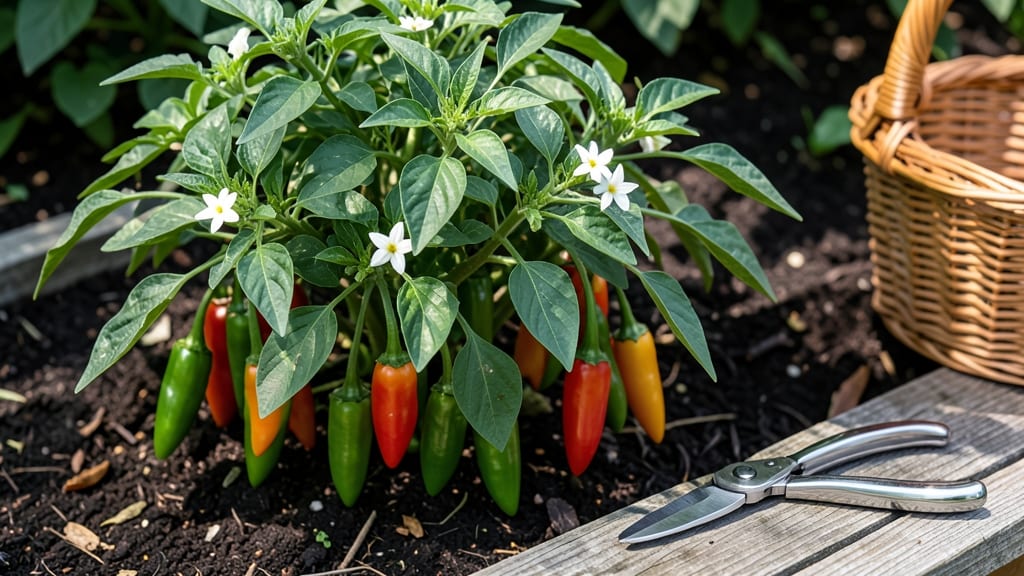
To pick Anaheim peppers 🌶️ at the perfect stage means waiting for them to reach 4-6 inches with a glossy, firm skin—any sooner and you’ll miss out on their full sweetness.
Picking Anaheim peppers at the wrong time can mean the difference between a mild, flavorful harvest and a bitter, underripe disappointment—here’s how to nail the perfect moment.
You’ll know they’re ready when the skin resists gentle pressure, the stem snaps cleanly, and the color deepens to a vibrant green, red, or orange. These visual cues are your shortcut to the best flavor, whether you’re growing in Zone 6a or further south.
Below, I’ll break down the exact ripening stages, how climate affects timing, and the one trick to store them for weeks without losing quality.


3 Visual cues to identify perfectly ripe Anaheim peppers
Harvesting Anaheim peppers at the right moment transforms your garden into a flavor factory. Unlike some peppers that turn red or orange when ripe, Anaheims stay green but develop subtle visual cues that scream "pick me now!"
Ignoring these signs often leads to peppers that are either too mild or bitter—neither of which you want in your dishes.
I’ve learned the hard way that waiting too long for that perfect deep green color can mean sacrificing sweetness. The key lies in three simple but critical visual checks: size, color intensity, and texture.
Master these, and you’ll enjoy peppers that are crisp, juicy, and packed with that signature mild heat gardeners love.
Here’s how to spot the ideal moment—before your peppers overstay their welcome on the vine.
- 1 Size: 4-6 inches long – Aim for peppers that are firm and plump, not shriveled or elongated. Most Anaheims reach harvest size between 75-90 days after transplanting, but hotter climates may speed this up.
- 2 Color: Deep, glossy green – Look for a rich, uniform green without yellowing or brown spots. Some varieties develop a slight waxy sheen, indicating peak ripeness. Avoid peppers with dull or patchy coloring.
- 3 Texture: Firm with slight give – Gently squeeze the pepper—it should feel firm but not rock-hard. Press your thumbnail into the skin: if it resists slightly (like a ripe avocado), it’s ready. Overripe peppers feel mushy, while underripe ones are too tough.
Pro tip: Check the stem too! A ripe Anaheim’s stem will have a dry, brownish end that snaps cleanly when you twist it. If the stem is still green and soft, give the pepper a few more days.
This is one of the most reliable tricks I’ve picked up from local New Mexico chile farmers—they swear by it.
Timing matters too. In cooler climates (USDA Zones 5-7), aim to harvest Anaheims in late summer (August-September) when days start shortening. In warmer zones (8-10), you might harvest as early as July or stretch into October.
Always harvest in the morning when peppers are cool and crisp for the best texture.
One mistake I see often? Harvesting based on color alone. Some gardeners wait for Anaheims to turn red, but these are milder green varieties designed for fresh eating—not the classic red chiles used in cooking.
Stick to the green cues, and you’ll avoid the disappointment of a pepper that’s too spicy or leathery.
Once you’ve mastered these visual cues, you’ll never second-guess when to pick again. The reward? Peppers that are sweet, tender, and bursting with flavor—perfect for stuffing, roasting, or making that famous green chile stew. Happy harvesting!
🌶️
Anaheim pepper ripening stages: from green to perfect harvest
Understanding the ripening stages of Anaheim peppers helps you harvest at peak flavor and sweetness. These peppers transition from green to vibrant colors like red or orange, but timing varies by climate and variety.
In hotter regions, ripening speeds up, while cooler areas may extend the process. Most varieties take 75-90 days to mature, but some early types can be ready in as few as 60 days.
Climate plays a huge role—hot, dry summers accelerate ripening, while cooler, cloudy conditions slow it down. For example, in Zone 9, peppers may ripen by late summer, but in Zone 5, you might need to extend the season with row covers.
Even within the same region, microclimates (like a sunny south-facing wall) can create earlier harvests.
| Stage | Days After Planting | Key Features | Harvest Window |
|---|---|---|---|
| Early Green | 60-70 | 4-5" long, soft stem, pale green | Avoid—underripe, bitter |
| Mature Green | 75-85 | 5-6" long, firm, glossy, brown stem | Best for cooking—mild, sweet |
| Color Change | 85-90+ | Yellow, orange, or red hues, woody stem | Peak sweetness—harvest ASAP |
The peak sweetness in Anaheim peppers happens when they begin turning color—yellow, orange, or red. This stage signals the highest sugar content, making them ideal for fresh eating or drying.
However, if left too long, they may become leathery or overly sweet. I always harvest mine when about 50% of the pepper shows color change, balancing flavor and texture.
Variety also affects timing—early maturing types like 'Early Jalapeño' may ripen in 60 days, while traditional Anaheims take closer to 90 days. If you're growing multiple varieties, keep a harvest journal to track each one’s progression.
For example, my 'NuMex Big Jim' peppers ripen faster in full sun, while shaded plants lag behind by 1-2 weeks.
Don’t wait for full color if you need peppers for cooking—mature green Anaheims are still delicious and less prone to overripening. In my garden, I prioritize harvesting when peppers reach 5-6 inches and have a woody stem, even if they’re still green.
This ensures consistent flavor without risking pest damage from overripe peppers.
After harvest, store peppers in a cool, dark place (like a pantry) for up to 2 weeks. For longer storage, dry or freeze them—peppers lose sweetness if left on the vine past their prime.
I’ve learned the hard way that overripe Anaheims turn mealy and lose their signature mild heat, so timing is everything!