
Aphids
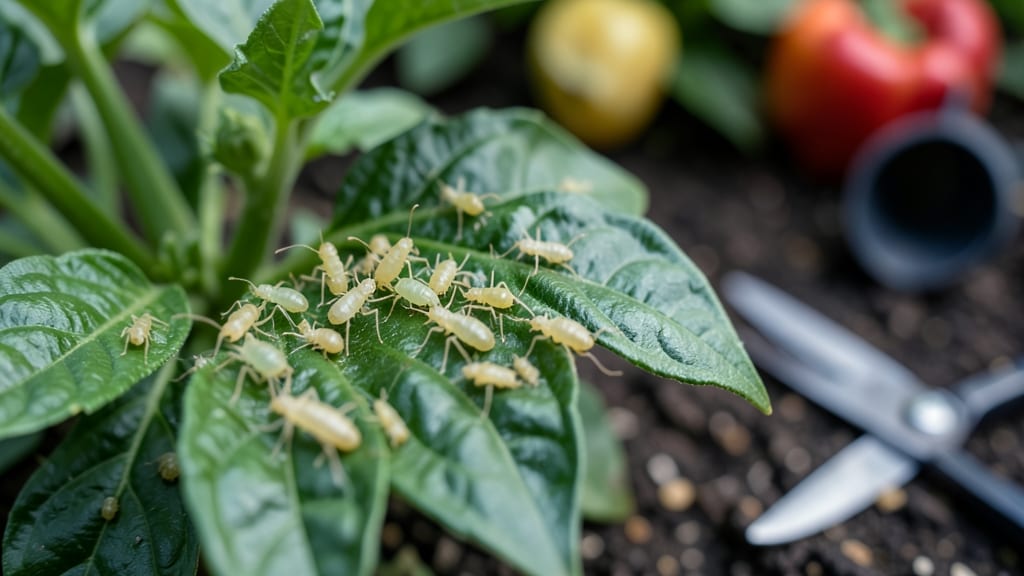
Aphids on pepper plants can turn your harvest from thriving to tragic in days. 🌿 I've watched entire plants wilt under their sticky siege, but these organic sprays stop them cold—often within hours.
The key is acting fast and using the right mix of natural remedies that don't harm your plants or the pollinators you want buzzing around. Most gardeners make the mistake of waiting too long or using harsh chemicals that disrupt the garden's balance.
Instead, we focus on targeted organic sprays like neem oil, insecticidal soap, and homemade garlic spray that break aphids' life cycle without collateral damage. You'll see results within 24-48 hours if you treat them early.
What you'll end up with are pepper plants that bounce back stronger, with fewer sticky residues and more vigorous growth. The plants keep producing, the aphids vanish, and you avoid the heartbreak of lost harvests. This method works for backyard gardens, containers, and even greenhouse setups. The best part?
These solutions prevent future infestations when used as part of a comprehensive pest management plan. Let's get those peppers back on track!
Root Causes Of Pepper Plant Infestations
Aphids don’t just randomly appear on your pepper plants—they’re drawn by specific conditions that turn your garden into an all-you-can-eat buffet. Understanding these triggers is the first step to stopping them before they take over.
Let’s break down the science behind why these tiny pests target your peppers and how to disrupt their plans.
Aphids thrive where plants are weak, and stress makes peppers prime targets. When pepper plants are overcrowded, they compete for sunlight, water, and nutrients, leaving them vulnerable.
- Why it happens: Stressed plants produce more honeydew (a sticky aphid waste product), which actually attracts more aphids.
Additionally, crowded foliage creates microclimates—shady, humid pockets where aphids can reproduce unchecked. - Key triggers: - Poor spacing (pepper plants need 18–24 inches apart). - Nutrient deficiencies (especially nitrogen or phosphorus). - Root-bound pots (restricting growth weakens defenses). - Actionable fix: Thin plants early, ensure proper airflow, and fertilize with a balanced organic mix (like compost tea) to boost resilience.
Aphids are sap-sucking opportunists, and young, tender pepper shoots are their favorite snack. The high sugar content in new growth makes it irresistible.
- Why it happens: Aphids use their stylet mouthparts to pierce plant cells and extract phloem sap, which is rich in sugars.
New leaves and stems have the highest sugar concentration, making them aphid magnets. - Key triggers: - Pruning or harvesting (stimulates regrowth, which aphids detect via volatile organic compounds). - Over-fertilizing with nitrogen (promotes lush, soft growth). - Late-season growth spurts (aphids time their infestations for peak sap availability). - Actionable fix: Monitor new shoots closely and use reflective mulch (like aluminum foil) to confuse aphids—some species avoid shiny surfaces.
Here’s a twist: ants love aphids—not because they eat them, but because they farm them. Aphids produce honeydew, which ants collect like cattle.
- Why it happens: Ants protect aphids from predators (like ladybugs) in exchange for food.
This mutualism creates a closed-loop infestation: more ants = more aphids = more honeydew. - Key triggers: - Ant trails on pepper plants (check stems and leaves for tiny black ants). - Sheltered growing areas (ant colonies thrive in mulch, wood chips, or dense foliage). - Weak natural predators (if ladybugs or lacewings are absent, aphids multiply unchecked). - Actionable fix: Disrupt ant highways with diatomaceous earth (food-grade) around plant bases or use ant baits (like borax-based traps) to break the cycle.
Aphids are cold-hardy but prefer mild, humid conditions—the kind that often coincide with pepper-growing seasons.
- Why it happens: Aphids reproduce asexually in warm weather (a single female can birth 50+ nymphs in a week).
Rain can wash away natural predators, while dry, windy conditions stress plants, making them easier targets. - Key triggers: - Spring to early summer (ideal aphid breeding season). - Sudden temperature drops (aphids cluster on plants for warmth). - High humidity (slows down beneficial insects like parasitic wasps). - Actionable fix: Use row covers in early spring to block winged aphids, and encourage predatory mites (like Hippodamia convergens) by planting aphid-attracting trap crops (e.g., nasturtiums).
Aphids don’t just land randomly—they hitchhike on tools, wind, or even your clothes from infested plants.
- Why it happens: Old plant debris, weeds, or neighboring crops can harbor aphid eggs or adults.
Even contaminated soil from previous infestations may contain dormant aphid populations. - Key triggers: - Not cleaning pruners between plants (aphids hide in cuts). - Ignoring weeds (many weeds, like dandelions, are aphid favorites). - Reusing infested compost (aphids can survive in organic matter). - Actionable fix: Sanitize tools with rubbing alcohol, remove all plant debris at season’s end, and rotate crops to break aphid life cycles.
Pepper plants aren’t inherently aphid-proof—they’re just easy targets when their natural defenses (like predators) are missing.
- Why it happens: A balanced garden has aphid-eating allies (ladybugs, lacewings, hoverfly larvae, and parasitic wasps).
If these are absent, aphids explode in numbers. - Key triggers: - Pesticide overuse (kills both pests and predators). - Monoculture gardening (reduces biodiversity). - Lack of nectar sources (predators need food too—plant dill, fennel, or yarrow to attract them). - Actionable fix: Plant companion flowers near peppers to lure predators, and avoid broad-spectrum sprays—opt for targeted organic solutions (like neem oil) that spare beneficial insects.
Quick Fixes for Tiny Plant Invaders
Aphids may be small, but their impact on your pepper plants can be huge—stunted growth, curled leaves, and even sticky residue from their honeydew. The good news? You don’t need harsh chemicals to kick them to the curb.
Below, we’ll tackle the most common causes of aphid infestations and match them with practical, organic solutions that work fast. Plus, we’ll share prevention tips to keep your peppers thriving long-term.
1. Overcrowded or Stressed Plants 🌱💦
Aphids love weak, crowded plants because they’re easier to feed on and hide in.
How to Fix It:
- 🍳 Prune & Space Out Plants Thin out overcrowded foliage to improve airflow. Aphids thrive in dense, humid conditions, so giving your peppers room to breathe makes them less appealing. Snip off heavily infested leaves and dispose of them in a sealed bag (not your compost!).
- 👨🍳 Boost Plant Health with Nutrients Aphids target stressed plants, so feed your peppers a balanced organic fertilizer (like fish emulsion or compost tea) to strengthen their defenses. Look for signs of nutrient deficiency—yellowing leaves or weak stems—and correct them ASAP.
- 🌡️ Water at the Base, Not the Leaves Wet foliage attracts aphids, so water your pepper plants at the soil level. Use a drip irrigation system or water early in the morning to let leaves dry quickly.
💡 Pro Tip: Interplant peppers with marigolds, basil, or garlic—these repel aphids naturally and deter other pests too!
2. New Growth Attracts Aphids 🌱🐞
Aphids adore tender new shoots because they’re packed with sugars and easy to pierce.
How to Fix It:
- 🔪 Pinch Off New Growth (Temporarily) If you see aphids clustering on fresh shoots, snip the tips of the most affected stems. This slows their spread while you treat the rest of the plant. Be gentle—you don’t want to damage the plant further!
- 🥘 Apply a Soapy Water Spray (Fast Act) Mix 1 tsp mild castile soap or dish soap with 1 quart of water in a spray bottle. Test on a small leaf first, then spray directly on aphids (especially undersides of leaves).
Reapply every 3–4 days until they’re gone. Why it works: Soap disrupts their waxy coating, dehydrating them.
- ⏰ Use a Strong Stream of Water Aphids hate being displaced! On a sunny day, blast them off with a hose (gentle pressure) to wash them away. Repeat daily for 3–5 days to break their life cycle.
💡 Pro Tip: Neem oil is another powerhouse for new growth infestations. Mix 1 tbsp neem oil + 1 tsp soap + 1 quart water, spray thoroughly, and reapply every 5–7 days. It’s non-toxic and stops aphids from reproducing!
3. Honeydew & Ants Moving In 🐜🍯
Aphids secrete honeydew, which attracts ants—and more aphids!
How to Fix It:
- 🍳 Wipe Off Honeydew with a Damp Cloth Use a soft cloth dampened with water to gently clean sticky residue from leaves. This prevents sooty mold (a black fungus that blocks sunlight) and makes your plants less attractive to ants.
- 🔥 Trap Ants with Diatomaceous Earth (DE) Sprinkle food-grade DE around the base of your pepper plants (but not directly on leaves). It’s a natural, abrasive powder that kills ants by dehydrating them. Reapply after rain.
- 🌡️ Use a Vinegar Spray for Ants Mix 1 part white vinegar + 1 part water in a spray bottle and target ant trails. Vinegar disrupts their scent trails, making them leave. Caution: Avoid spraying directly on peppers, as vinegar can burn foliage.
💡 Pro Tip: Citrus peels placed near plants repel ants naturally! Toss a few orange or lemon peels around your garden bed for a fresh, pest-free scent.
4. Weak Natural Predators 🐞🕷️
Aphids multiply fast when their predators (ladybugs, lacewings, parasitic wasps) are missing.
How to Fix It:
- 🔥 Invite Beneficial Insects Plant dill, fennel, or yarrow nearby to attract ladybugs and lacewings, which devour aphids. You can also buy beneficial insects online or from garden centers and release them at dusk.
- 🍳 Create a Ladybug Hotel Fill a small container with straw, pinecones, or untreated wood and place it near your peppers. Ladybugs love hiding in these spots and will move to your plants when aphids appear.
- 🌡️ Avoid Broad-Spectrum Pesticides Chemicals like neonicotinoids kill both aphids and their predators. Stick to targeted sprays (like soapy water or neem oil) to protect your garden’s balance.
💡 Pro Tip: Release aphids intentionally (yes, really!) on a separate plant to attract predators. Place an infested leaf near your peppers—ladybugs will find it and then move to the real problem!
Once you’ve banished aphids, stop them from returning with these habits:
- 🌱 Rotate Crops – Don’t plant peppers in the same spot year after year.
Aphids build up in the soil! - 🍳 Inspect New Plants – Always quarantine new pepper starts for 1–2 weeks before introducing them to your garden. - 🔥 Use Reflective Mulch – Cover the soil with silver or aluminum mulch to confuse aphids (they dislike shiny surfaces). - 🌡️ Encourage Strong Growth – Healthy plants resist pests better!
Ensure your peppers get 6+ hours of sunlight and well-draining soil.
Final Thought: Aphids may be pesky, but with these organic, fast-acting fixes, your pepper plants will bounce back stronger. The key is acting quickly—don’t wait until the infestation takes over! 🚀
Frequently asked questions
How do I know if my pepper plants have aphids?
Look for tiny green, black, or yellow bugs clustered on new growth or undersides of leaves. You’ll also spot sticky honeydew on leaves and a black sooty mold if the infestation spreads. Examine leaves closely with a magnifying glass if needed.
Can I use dish soap to kill aphids on peppers?
Yes! Mix 1 teaspoon mild castile soap with 1 quart water and spray directly on aphids. The soap breaks their protective coating. Test on a small leaf first, and reapply every 3-4 days until they’re gone—it’s safe for peppers when used correctly.
Will neem oil harm my pepper plants?
No, when used properly. Dilute 1 tablespoon neem oil with 1 teaspoon soap and 1 quart water, then spray thoroughly. Apply in early morning or late evening to avoid sunburn, and avoid spraying when peppers are flowering or fruiting heavily.
How long does it take for organic sprays to work?
Most organic treatments show results within 24-48 hours with daily applications. For severe infestations, combine methods: spray with soapy water in the morning and apply neem oil in the evening. Consistency is key—keep treating until all signs disappear.
Can I save my peppers if aphids have already damaged them?
Yes! Remove heavily infested leaves immediately and focus on treating the remaining plant. With proper care, peppers can recover and still produce fruit. Prune back damaged growth, boost plant health with compost tea, and maintain regular treatments to prevent recurrence.