
Advice
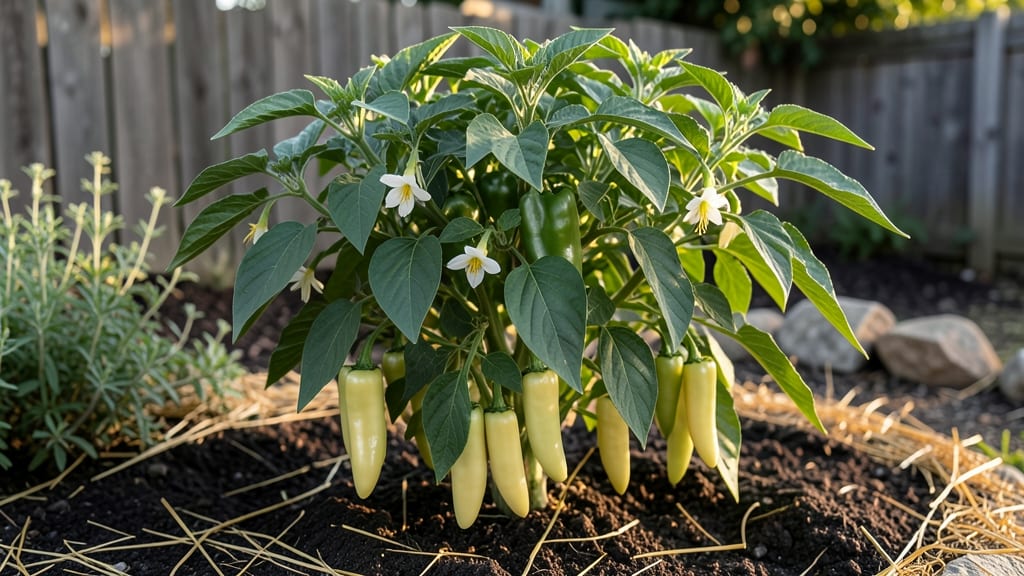
Banana peppers are bad for dogs because their capsaicin content triggers digestive upset, including drooling, vomiting, and diarrhea. Even tiny amounts can cause reactions, with severity depending on your dog's size and sensitivity. It's best to keep these peppers completely away from pets.
Banana peppers contain capsaicin, the same compound that makes them spicy for humans, but dogs lack the enzymes to process it safely. 🌶️ This can lead to gastrointestinal distress, with symptoms ranging from mild discomfort to severe reactions in sensitive dogs.
What's more concerning is that dogs may be tempted to nibble on fallen peppers in gardens or kitchens, risking accidental poisoning.
If your dog accidentally ingests banana peppers, monitor them closely for signs of distress. While most cases resolve with supportive care, severe reactions may require a vet visit. Always opt for dog-safe alternatives like bell peppers or shishito peppers, which are mild and non-toxic when served in moderation.
💡 In This Article
- Why Banana Peppers Pose Risks to Dogs
- Safe Pepper Alternatives for Dog-Friendly Gardens
Why banana peppers pose risks to dogs
Banana peppers contain capsaicin, the same compound that creates their signature heat for humans. Dogs lack the enzymatic pathways to metabolize capsaicin efficiently, causing it to irritate their digestive lining.
The compound binds to TRPV1 receptors in their mouths and stomachs, triggering an inflammatory response that leads to excessive drooling and gastrointestinal distress. 🔥 Even a small bite—about 1/10th of a pepper—can provoke symptoms in small dogs.
The severity depends on your dog's size and sensitivity. A 10-pound Chihuahua might react strongly to just 0.1 grams of capsaicin, while a 70-pound Labrador could tolerate slightly more before showing signs.
The pepper's skin contains the highest concentration of capsaicin, making even accidental garden exposure dangerous. Unlike humans who can build tolerance, dogs experience cumulative irritation with repeated exposure.
Beyond capsaicin, banana peppers may contain trace amounts of solanine, a natural toxin found in nightshade family plants. While present in much smaller quantities than in green potatoes, solanine can still contribute to nausea and lethargy.
The combination of these compounds creates a double threat to your dog's digestive system, which is far more sensitive than ours. 💛
Dogs also lack the salivary enzymes to neutralize capsaicin like humans do. Our mouths produce lysozyme, which helps break down irritants, but dogs' saliva lacks this protective mechanism. This means the burning sensation lingers longer and spreads more aggressively through their digestive tract, potentially causing pancreatitis in severe cases.
Watch for these symptoms after ingestion:
- Acute signs: Excessive drooling, pawing at the mouth, vomiting, diarrhea (sometimes with blood)
- Delayed signs: Lethargy, loss of appetite, abdominal pain (whining or hunched posture)
- Severe cases: Difficulty breathing, rapid heart rate (requires immediate vet attention)
If you suspect your dog has eaten banana peppers, don't wait for symptoms. Contact your vet immediately—they may recommend inducing vomiting (only under professional guidance) or administering activated charcoal to absorb toxins. In most cases, supportive care like IV fluids and anti-nausea medication resolves the issue within 24-48 hours, but severe reactions can last longer. 🌟