
Planting
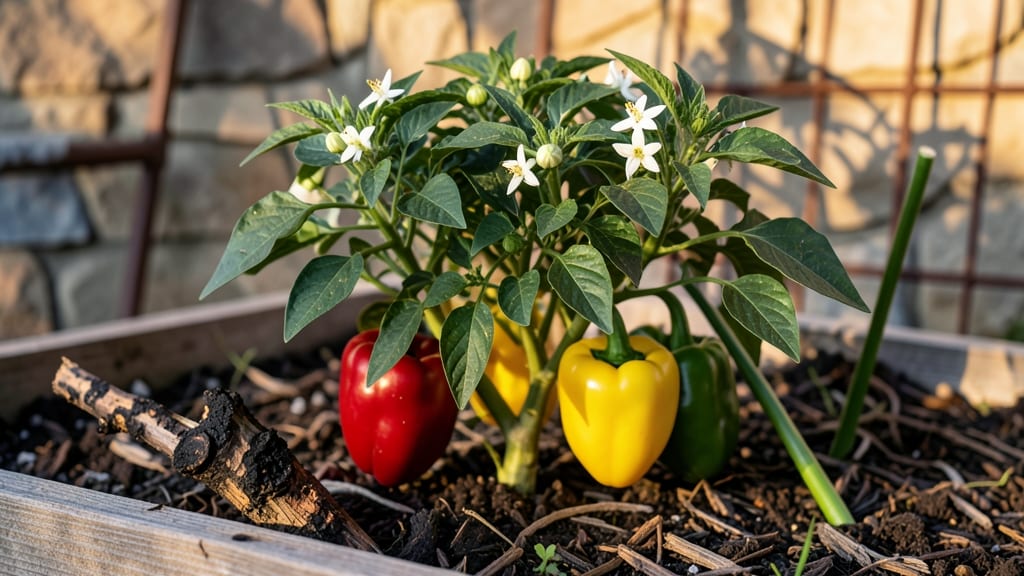
Black stem joints on your pepper plants mean one thing: canker disease is attacking. 🌱 I’ve watched this silent killer turn vibrant plants into withered husks—until I learned the pruning and copper spray combo that saved my harvest last summer.
The culprit is usually bacterial spot or phytophthora, thriving in damp conditions. You’ll spot dark, sunken lesions that ooze when wet, and stems that snap like dry kindling.
Pruning infected areas below the damage with sterilized shears stops the spread, but copper spray is the real game-changer—it kills spores on contact.
Within days of treatment, new growth emerges clean and strong. The key is acting fast: remove all infected debris, improve airflow, and water at the base—not overhead. My plants bounced back so well I doubled my pepper yield that season.
This works for bell peppers, jalapeños, and even tomatoes hit by the same issue. The secret? Copper spray every 7-10 days during wet seasons, paired with pruning. Your plants will thank you with plump, disease-free fruit by harvest time.
Root Causes Of Darkened Stems
When your pepper plant’s stem joints turn black, it’s rarely a coincidence—it’s a cry for help from the plant itself. Understanding the why behind this discoloration is the first step to saving your crop.
Below, we break down the most common culprits, backed by science, so you can diagnose the issue with confidence.
Fungi like Phytophthora, Fusarium, or Botrytis thrive in damp, warm conditions and attack the vascular system of pepper plants. These pathogens block nutrient flow, causing stem joints to darken, soften, or even ooze a gummy substance.
- How it starts: Spores land on stems (often from soil splatter, overhead watering, or contaminated tools) and germinate in humidity above 70%.
- Tell-tale signs:
- Black, sunken lesions at stem joints
- Wilting despite moist soil (fungi disrupt water uptake)
- Mushy, discolored tissue when squeezed
- Why peppers are vulnerable: Their woody stems provide easy entry points for fungal hyphae to penetrate. Stress from overcrowding or poor air circulation worsens susceptibility.
💡 Pro Tip: If you’ve had fungal issues before, sterilize pruning tools with 70% isopropyl alcohol between cuts to prevent spreading spores.
Pepper plants need consistent moisture, but too much water—especially in poorly draining soil—creates anaerobic conditions that invite root rot and stem canker. When roots suffocate, they can’t send signals to the stem, leading to blackened joints.
- How it happens:
- Waterlogged soil cuts off oxygen to roots (Phytophthora thrives in these conditions).
- Excess moisture forces stems to absorb water through their surface (a process called hydathode activity), weakening cell walls.
- Red flags:
- Blackened, mushy stems at the soil line
- Yellowing leaves (even when soil is wet)
- Pepper plants leaning or toppling over
- Soil’s role: Clay or compacted soil holds water like a sponge. If your fingers sink past your first knuckle when testing soil moisture, you’re overwatering.
✨ Actionable Fix: Let the top 1–2 inches of soil dry out between waterings. For containers, ensure drainage holes are not blocked—and consider a well-draining mix like 60% potting soil + 30% perlite + 10% compost.
Bacteria like Xanthomonas or Pseudomonas cause bacterial canker, a fast-spreading disease that turns stem joints black and oozy. Unlike fungi, bacteria multiply rapidly in warm, wet conditions and can survive on plant debris for months.
- Infection pathway:
- Enter through wounds (pruning cuts, insect bites, or cracked stems).
- Spread via contaminated water, tools, or even wind-driven rain.
- Symptoms to watch for:
- Black, raised lesions with yellowish ooze (a key difference from fungal canker).
- Wilting in one branch while others stay healthy.
- Leaves curling or dropping prematurely.
- Why it’s tricky: Bacteria can lie dormant in plant tissue for years. If you’ve reused containers or tools from last season, they might be the source.
🔪 Immediate Action: Remove infected stems below the blackened area with sterilized shears. Dispose of clippings in the trash (not compost)—do not leave them in the garden.
Pepper plants are tropical but need balanced conditions. Extreme heat (above 90°F) combined with high humidity (80%+) creates the perfect storm for physiological stress, which weakens stems and makes them susceptible to discoloration.
- How stress manifests:
- High temps denature enzymes in stem cells, disrupting nutrient transport.
- Humidity traps moisture on leaves, promoting fungal/bacterial growth.
- Visual clues:
- Blackened joints without ooze or mushiness (stress-related, not infectious).
- Leaf edges scorch or crisp.
- Stunted growth despite adequate water.
- Peppers’ sweet spot: Days at 75–85°F, nights at 60–70°F, with relative humidity below 70% during the day.
🌡️ Quick Solutions:
- Use shade cloth (30–50%) during peak afternoon sun.
- Improve air circulation with a small fan (set to low) near plants.
- Avoid watering in the evening to reduce nighttime humidity.
📊 Key Takeaway: Black stem joints are almost never a single issue—combine overwatering with fungal spores, and your pepper’s defenses collapse fast. The good news? Most causes are preventable with proper care. Next, we’ll cover how to treat and prevent these problems before they spread.
Revive Your Pepper Plant Now
Blackened stem joints on your pepper plants can feel like a death sentence, but don’t toss those plants just yet! With the right approach, you can revive your peppers and even prevent future outbreaks.
Below, we’ve mapped out practical fixes based on the most common causes—plus tips to keep your plants thriving. Let’s get those stems healthy again!
If your pepper plant’s stem joints are black, mushy, or oozing, fungal canker is likely the culprit. Act fast—this spreads quickly!
🔥 Step 1: Prune the Damage
- 🔪 Use sterilized pruners (wipe with rubbing alcohol) to cut off blackened, rotting stems at a 45-degree angle, about ½ inch below the affected area.
- ⚠️ Avoid pruning healthy tissue—only remove what’s clearly infected. Healthy green stems can still recover!
- 🗑️ Dispose of infected plant debris in the trash (not compost)—it can reinfect your garden.
🍳 Step 2: Apply Copper Fungicide
- 💧 Spray a copper-based fungicide (like Bordeaux mixture or copper sulfate) directly on pruned areas and surrounding foliage.
- 🌡️ Timing matters: Apply in the early morning or late evening to avoid burning leaves in direct sunlight.
- 🔄 Repeat every 7–10 days until new growth appears. Copper disrupts fungal spores before they take hold.
👨🍳 Step 3: Boost Plant Recovery
- 💧 Water at the base only—avoid wetting leaves to prevent further spread.
- 🌿 Add compost or worm castings around the roots to strengthen the plant’s immune system.
- ☀️ Ensure 6–8 hours of sunlight daily—healthy peppers fight infections better!
If the blackened areas are water-soaked, slimy, or smell foul, bacterial rot may be the issue. Unlike fungi, bacteria can’t be cured—but you can slow it down and save the plant.
✂️ Step 1: Radical Pruning
- 🔪 Cut back severely—remove all blackened stems down to healthy green tissue. If the main stem is compromised, you may need to start fresh with a cutting.
- 🌱 Propagate healthy cuttings in water or perlite mix to grow new plants.
🧴 Step 2: Disinfect & Protect
- 🧼 Wash tools and pots with a 10% bleach solution (1 part bleach to 9 parts water) to kill bacteria.
- 🍄 Apply a bacterial inhibitor like copper fungicide (it works on some bacteria too) or a hydrogen peroxide spray (3%).
- 🚫 Avoid overhead watering—use drip irrigation or a watering can with a narrow spout.
🛡️ Step 3: Prevent Reinfection
- 🌿 Rotate crops—don’t plant peppers (or nightshades like tomatoes) in the same spot next year.
- 🔥 Solarize the soil (cover with clear plastic for 4–6 weeks in hot sun) to kill lingering bacteria.
- 💡 Monitor for new symptoms—bacterial rot can return if conditions stay damp.
Sometimes, blackened joints stem from poor drainage, overwatering, or extreme temps. Fix these issues to prevent further damage.
💧 Improve Drainage Immediately
- 🏗️ Amend soil with perlite, sand, or coconut coir to loosen heavy clay.
- 🪴 Repot if needed—use a container with drainage holes and raise pots off the ground.
- 🌧️ Water only when the top 1–2 inches of soil are dry—peppers hate soggy roots!
☀️ Adjust Light & Temperature
- 🌡️ Move plants to a 60–85°F (15–29°C) range—avoid cold drafts or scorching sun.
- 🌿 Provide shade cloth if temps exceed 90°F (32°C) to prevent stress.
- 🍃 Increase airflow with a small fan (on low) to dry leaves faster.
Once your pepper plant recovers, keep these preventive measures in mind to avoid black stem joints:
- 🌱 Start with healthy seedlings—buy from reputable nurseries or grow from disease-free seeds.
- 🍄 Rotate crops yearly—don’t plant peppers in the same spot two years in a row.
- 🧼 Sterilize tools before and after pruning to avoid spreading pathogens.
- 🌿 Mulch with straw or wood chips to keep soil moist but prevent fungal splash.
- 🔍 Inspect plants weekly**—catch early signs of blackening before it spreads!
With these steps, your pepper plants should bounce back—and with a little luck, you’ll be harvesting spicy, sweet peppers in no time! 🌶️💪
Frequently asked questions
Why do pepper plant stems turn black at the joints?
Black stem joints usually signal fungal infections like Phytophthora or bacterial canker from Xanthomonas. These pathogens thrive in damp conditions, blocking nutrient flow and causing dark, often oozing lesions. Overwatering or poor airflow creates the perfect breeding ground for these issues.
Can I save a pepper plant with black stem joints?
Yes! Prune infected stems below the blackened area with sterilized shears, then apply copper fungicide every 7-10 days. For bacterial issues, remove all infected parts immediately and disinfect tools. Healthy plants often recover with proper care and prevention.
How do I prevent black stem joints in my pepper plants?
Start with well-draining soil, water at the base (never overhead), and ensure 6-8 hours of sunlight daily. Sterilize pruning tools, rotate crops yearly, and use shade cloth if temps exceed 90°F. Mulch with straw to keep soil moist without promoting fungal growth.
What's the difference between fungal and bacterial black stem issues?
Fungal canker causes sunken, mushy lesions that may ooze a gummy substance, while bacterial canker produces raised, oozy black spots with yellow halos. Fungi thrive in humidity, while bacteria spread through wounds. Copper sprays work for both, but bacterial issues require more aggressive pruning.
Can I use homemade remedies for black stem joints?
While hydrogen peroxide (3%) or baking soda spray (1 tsp baking soda + 1 quart water) can help mild cases, severe infections need copper fungicide. For bacterial issues, homemade remedies won't be enough—prune aggressively and use commercial treatments for best results.