Picking
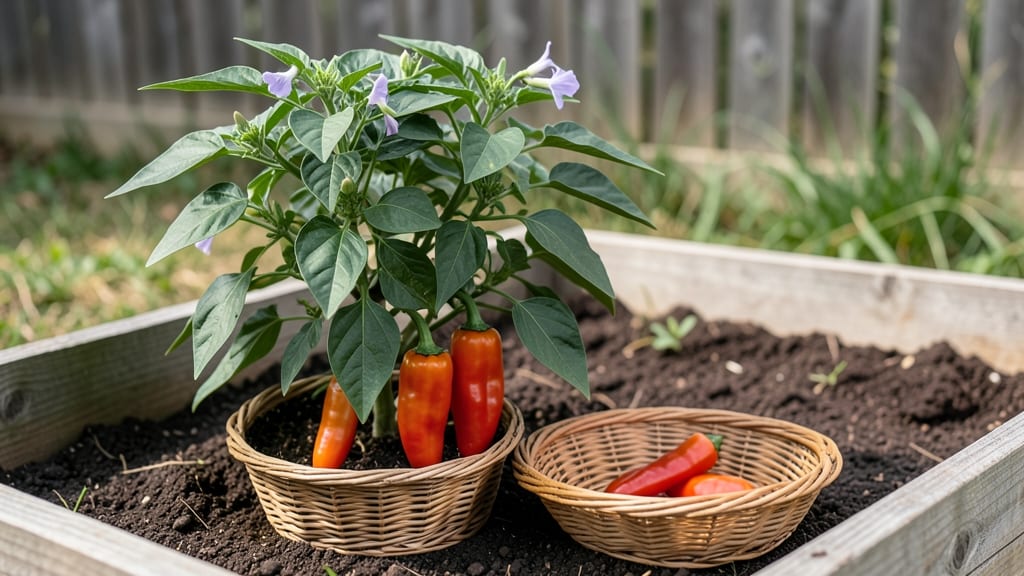
Growing big cayenne peppers means 60 days of pole-trained heat that’ll make your neighbors question your sanity—and your salsa. 🌶️ These aren’t your grandma’s tiny cayennes: we’re talking 12-inch monsters with walls of fire (50,000–100,000 Scoville heat units). The secret to their size?
Trellising them like tomatoes, not letting them sprawl like wildfire. I learned this the hard way after my first batch flopped into a tangled mess. The fix? Start seeds indoors 8–10 weeks before last frost, then transplant to 5-foot-tall cages or sturdy stakes.
Cayennes love full sun (6+ hours daily) and well-draining soil—think 60% potting mix, 30% compost, 10% perlite—but here’s the kicker: they hate soggy roots. Let the top inch dry between waterings, and watch those peppers grow like they’re in a race.
By mid-summer, you’ll be harvesting bright red, glossy pods that dry into the backbone of hot sauces and spice blends. The yield? 20–30 peppers per plant if you prune aggressively (pinch off flowers after the first 6–8 fruits).
Store dried peppers in airtight jars for up to a year—just don’t touch them unless you’re ready for a sweat. This method works for containers (5-gallon pots) or gardens, and the same tricks apply to other cayenne varieties—just adjust spacing. Ready to grow fire on a pole?
📚 In This Guide
- What you need
- Instructions
- Tips and common mistakes
- Wrapping up and next steps
What you need
- ● Big Cayenne Pepper Seeds: 10–15 seeds (look for heirloom or organic varieties like ‘Big Jim’ or ‘Cayenne Long Slim’ for extra heat).
- ● Growing Containers or Garden Bed: Containers: 5–7 gallon pots (with drainage holes) for pole training—1 pot per plant.
- ● Garden Bed: Full sun (6+ hours daily), well-draining soil (pH 6.0–7.0).
- ● Pole or Trellis System: 6–8 ft tall bamboo stakes, wooden poles, or a tomato cage-style trellis (1 per plant).
- ● Soft ties: Garden twine or plant clips (avoid wire—it can damage stems!).
- ● Potting Mix: High-quality, sterile seed-starting mix (or garden soil amended with compost).
- ● Fertilizer: Balanced fertilizer: 10-10-10 or 5-5-5 (follow label for dilution).
- ● Organic option: Composted manure or worm castings (mix into soil at planting).
- ● Watering Can or Hose: With a gentle spray nozzle (cayennes hate soggy roots!).
- ● Hand Trowel: For transplanting seedlings.
- ● Pruning Shears: Small, sharp pair for trimming excess foliage.
- ● Mulch: Straw or shredded leaves to retain moisture and suppress weeds.
- ○ Row Covers: Lightweight fabric (optional for early starts to protect from pests).
- ● Heat-Resistant Gloves: Highly recommended—these peppers pack a punch!
- ● Grow Lights (Indoor Start): LED or fluorescent lights (12–16 hrs/day) if starting seeds early.
- ● Spray Bottle: For misting seedlings (keeps humidity up for germination).
Step-by-step instructions for pole-trained big cayenne peppers
Turn your backyard into a fiery harvest zone with this high-yield method.
🌱 Step 1: Start Seeds Indoors for Early Heat
Plant your 4 seeds in 2-inch pots filled with sterile seed-starting mix, burying them just ¼ inch deep. Cayennes need warmth to germinate—place pots on a seedling heat mat set to 80-85°F. Keep the soil consistently moist but never soggy, as these seeds rot easily if overwatered.
Within 7-14 days, you'll see tiny green sprouts. That's your cue to remove the heat mat and move seedlings to a sunny windowsill or under grow lights. Wait until each plant has 2-3 true leaves before transplanting—this ensures they're strong enough to handle outdoor conditions.
☀️ Step 2: Transplant to Tall Containers or Garden Beds
Choose 5-gallon containers or a garden spot with 6+ hours of full sun daily. Cayennes thrive in warm soil—wait until nighttime temperatures stay above 55°F before moving them outside. Bury the seedlings 1 inch deeper than their original pots to encourage sturdy root growth.
Space plants 18 inches apart if gardening in rows, or 24 inches apart if using containers. This gives their sprawling vines room to climb. Water deeply at the base after transplanting to help roots establish quickly. Avoid wetting the leaves—this reduces fungal risks.
🪴 Step 3: Set Up Trellises or Poles for Vertical Growth
Install 6-foot tall stakes or trellises next to each plant within 1 week of transplanting. Cayennes grow fast, and supporting them early prevents sprawling. Tie the main stem loosely to the stake with soft plant ties, leaving room to grow. As the plant climbs, gently weave vines around the support to encourage upward growth.
Here's the thing—cayennes produce best when their energy goes into fruit, not sprawling. Prune any side shoots that form below the first 12 inches of the main stem. This redirecting focus ensures you get more heat per plant. Watch for first flowers around 60 days—that’s when the real heat begins.
💧 Step 4: Water and Feed for Maximum Heat Production
Water cayennes at the base 1-2 inches deep every 2-3 days, adjusting for heat waves. These peppers hate soggy roots but also can't handle drought stress—they’ll drop flowers and fruit if thirsty. Mulch with 2-3 inches of straw to retain moisture and keep roots cool.
Feed plants every 3-4 weeks with a balanced 10-10-10 fertilizer diluted to half strength. When flowers appear, switch to a low-nitrogen, high-phosphorus fertilizer to boost fruiting. You’ll know you’re doing it right when peppers turn bright red—intense heat equals vibrant color.
✂️ Step 5: Prune and Harvest for Continuous Heat
Remove any suckers (side shoots) that form in the lower 12 inches of the plant to keep energy focused on the main stem. Prune yellow or diseased leaves immediately to prevent spread. Harvest peppers when they reach 3-4 inches long—this encourages more fruit to develop. Use pruning shears to cut stems cleanly, leaving a small stub.
Real talk: cayennes get fiercer as they ripen. If you want maximum heat, leave them on the plant until fully red. But if you need heat sooner, harvest green—they’ll still pack a punch. Store harvested peppers in a cool, dark place to preserve their spicy kick for months.
Tips & tricks for pole-trained big cayenne peppers
Took me a while to figure these out, so here's how I maximize heat production with minimal fuss.
Seed Starting Strategy: The 80-85°F heat mat temperature is non-negotiable for germination—any lower and you'll wait weeks for sprouts. I've found that placing pots on top of a refrigerator (with a towel barrier) works in a pinch if you don't have a heat mat. Just monitor soil moisture closely, as warm air dries things out faster.
Transplanting Timing: Don't rush moving seedlings outside! Wait for nighttime temps to stay above 55°F consistently—cayennes are tropical and will sulk in cold nights. I harden off my seedlings by placing them outside in partial shade for 2 hours daily, then increasing time gradually over 5 days. This prevents transplant shock that can stall growth.
Vertical Growth Hack: When installing those 6-foot tall stakes in Step 3, bury the bottom 12 inches of the stake into the soil. This creates stability without needing extra supports. I also weave the main vine around the stake in a spiral pattern rather than just tying it straight up—this encourages stronger stem development and better fruit support.
Fertilizer Transition: The switch to low-nitrogen, high-phosphorus fertilizer at flowering is crucial for heat production. I make my own by mixing 1 part bone meal (for phosphorus) with 1 part compost and sprinkling it around the base. This organic approach gives me consistent results without chemical burn risks.
Pro Tips for Big Cayenne Peppers
- Took me a while to figure these out, so here's how I maximize heat production with minimal fuss.
- Seed Starting Strategy: The 80-85°F heat mat temperature is non-negotiable for germination—any lower and you'll wait weeks for sprouts.
- Transplanting Timing: Don't rush moving seedlings outside!
Frequently asked questions
Got questions about growing big, fiery cayenne peppers?
You’re not alone! Here are answers to the most common queries—from planting to harvest—to help you grow a bumper crop of heat.
How do I know when my cayenne pepper plants are ready to transplant?
Transplant your cayenne seedlings when they’ve developed 2-4 true leaves (not just the initial seed leaves) and are about 3-4 inches tall. Harden them off for 5-7 days by placing them outside in shade for a few hours daily to toughen up their stems. Wait until nighttime temps stay above 50°F (10°C) to avoid shock.
Can I grow cayenne peppers in containers, and what size pot do I need?
Cayennes thrive in containers as long as the pot is at least 12-18 inches deep and wide to accommodate their roots and support pole training. Use a well-draining potting mix and place the pot in full sun (6+ hours daily). Dwarf varieties can work in smaller pots (10+ inches), but bigger cayennes need room to stretch.
Why are my cayenne peppers turning bitter or hotter than expected?
Bitterness or extreme heat can stem from over-ripe fruit, stress, or uneven watering. Harvest peppers when fully colored but still firm for balanced flavor. Stress factors like drought, extreme heat, or poor soil can amplify capsaicin (the compound that makes them hot). Keep soil consistently moist and fertilize regularly with a balanced, low-nitrogen feed (like 5-10-10) to avoid overpowering heat.
How long does it take for cayenne peppers to mature after flowering?
After flowering, cayenne peppers typically take 60-80 days to mature, depending on the variety and growing conditions. Pole-trained cayennes may mature slightly faster due to better air circulation and sunlight exposure. Watch for color changes—most cayennes turn red, orange, or yellow when ripe. Pro tip: Pick them early for milder heat or wait for full ripeness for maximum flavor and potency!
What can I do if my cayenne plants get aphids or other pests?
Aphids, spider mites, and whiteflies love cayenne plants, but you can fight back! Start with a strong spray of water to knock off pests, then apply neem oil or insecticidal soap (follow label instructions). For severe infestations, introduce beneficial insects like ladybugs or lacewings. Prevent future issues by keeping plants healthy with regular pruning (to improve airflow) and avoiding over-fertilizing with nitrogen.
Wrapping up and next steps
Growing big cayenne peppers is a rewarding journey—packed with fiery flavor and fast results! With just 60 days to harvest, these heat-loving plants prove that bold flavors don’t require endless patience.
Whether you’re a seasoned gardener or a curious beginner, the key is consistency: sunlight, soil, and a little love—plus a dash of patience for those early blooms.
Ready to spice up your garden? 🌶️ Start small with a few plants, experiment with training techniques, and soon you’ll be reaping homegrown heat to share (or challenge friends with!). Next step: Grab those seeds, mark your calendar, and let the cayenne adventure begin!