Vegetables
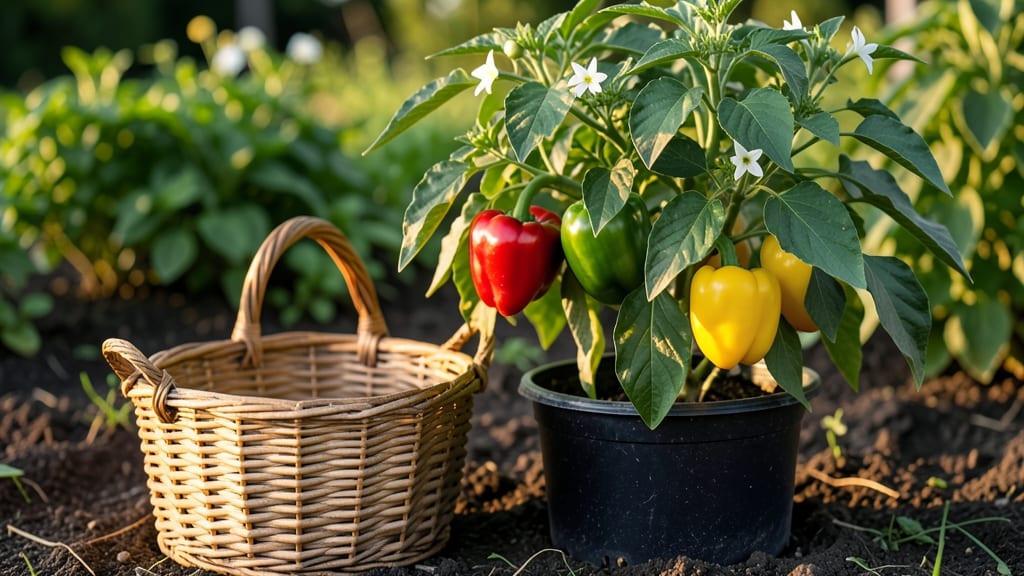
Your bell pepper season starts with a simple rule: plant after the last frost when soil hits 60°F—any earlier and the roots freeze, any later and the heat arrives before the fruit sets.
Timing is everything when growing bell peppers 🌶️—plant too early or late, and you’ll miss peak harvests, even in your own backyard. The right schedule by USDA zone can mean the difference between a handful of peppers and a garden overflowing with crisp, vibrant produce.
In Zone 6a, like many gardeners, your window is tight: April through May is prime for transplanting, but cooler zones need tricks like row covers or succession planting to stretch the season. Meanwhile, warmer climates can grow year-round with the right varieties.
Below, I break down the exact planting timeline by zone, how to extend your harvest in cold weather, and the three mistakes that cut seasons short—so you can plan for a bumper crop from July to October.
Bell pepper season: optimal planting dates by USDA Zone for best growth
Bell peppers thrive when planted at the right time, but their frost-sensitive nature means timing varies dramatically across USDA zones. In Zone 3, you’ll need to start seeds indoors early, while gardeners in Zone 11 can plant directly into warm soil year-round.
The key? Soil temperature must reach 60°F (15°C)—any cooler, and roots struggle to establish.
For most regions, transplanting outdoors happens after your last frost date, but bell peppers hate cold snaps. Even a light frost can kill them, so plan for 10–14 days of warm weather post-transplant.
In cooler zones, use row covers or greenhouses to extend the season. My Zone 6a garden yields the most peppers when I transplant in early June.
Indoor seed starting is critical in northern zones. Begin seeds 8–10 weeks before your last frost date—typically February or March in Zones 3–5. Use grow lights or a sunny windowsill, keeping soil 70–80°F (21–27°C) for germination. Seedlings need 12–14 hours of light daily to avoid legginess.
Here’s how to align your bell pepper season with your USDA zone for peak harvests:
| USDA Zone | Start Seeds Indoors | Transplant Outdoors | Harvest Window | Key Notes |
|---|---|---|---|---|
| Zones 3–4 | Feb–March (8–10 wks before last frost) | Mid-May to early June | July–September | Use row covers; plant heat-loving varieties like 'Early Prolific'. |
| Zones 5–6 | March–April (7–9 wks before last frost) | Late May to early June | July–October | Transplant after soil hits 60°F; succession plant every 2 wks. |
| Zones 7–8 | April (6–8 wks before last frost) or direct sow | Late April–May | June–November | Longer season; try 'California Wonder' for continuous harvests. |
| Zones 9–10 | Direct sow March–April or year-round | March–April (or anytime) | April–December | Plant heat-tolerant varieties like 'Jupiter'; mulch to retain moisture. |
| Zone 11 | Year-round (shade cloth in peak summer) | Year-round (avoid extreme heat) | Continuous harvests | Use shade cloth in summer; choose 'NuMex Sandia' for heat tolerance. |
In Zones 3–5, I’ve found that succession planting every 2 weeks after the initial transplant extends the harvest by 3–4 weeks. For example, if your first batch goes in late May, add a second in early June and a third in mid-June.
This staggering ensures peppers ripen continuously, even as summer cools.
For Zones 7–10, the real trick is soil preparation. Bell peppers despise soggy roots but need consistent moisture. Amend your soil with compost and aged manure before planting to improve drainage.
My Zone 8 garden produces the most peppers when I mulch with straw to retain moisture and suppress weeds.
Don’t overlook variety selection—some bell peppers mature faster than others. Early varieties like 'Sweet Banana' (60 days) work well in short seasons, while longer-season types like 'King of the North' (80 days) thrive in warmer climates.
Check your seed packet for days to maturity and count backward from your first frost date
How to extend bell pepper season in cold climates: greenhouses, row covers, and succession planting
Cold climates don't have to mean short bell pepper seasons. With the right strategies, you can push your harvest window by 4-6 weeks or more. I've successfully grown bell peppers in USDA Zone 5 using simple techniques that protect plants from early frosts while maximizing sunlight exposure.
The key lies in combining physical protection with smart planting schedules.
Bell peppers thrive in warm conditions but can tolerate brief cool spells if protected. In colder zones, the solution involves creating microclimates that mimic summer conditions.
This means using materials like row covers, cold frames, or even small greenhouses to maintain soil and air temperatures above 55°F (13°C) - the minimum for pepper growth. I've found that even a $20 floating row cover can add 10°F protection to your plants.
Proven Methods to Extend Bell Pepper Season
- 1. Row Covers - Use lightweight fabric to protect from light frosts (down to 28°F/-2°C). Secure edges with bricks or soil to prevent wind damage.
- 2. Cold Frames - Create mini greenhouses with Plexiglas lids over wire hoops. Trap heat during the day and retain warmth overnight.
- 3. Succession Planting - Stagger plantings every 2-3 weeks from late May through June. This ensures continuous harvests as earlier plants mature.
- 4. Greenhouse Extension - Use small hoop houses or even repurposed plastic storage bins as mini greenhouses. Add a thermometer to monitor internal temps.
- 5. Black Plastic Mulch - Warm soil faster by covering beds with black landscape fabric 2-3 weeks before planting. This raises soil temps by 5-10°F.
For maximum success, combine these methods with cold-tolerant varieties like 'Aristotle' or 'King of the North'. These varieties can handle 50°F (10°C) nights better than standard types.
I've had great luck with 'Aristotle' in my Zone 5 garden - it produces full-sized peppers even when nights dip into the 40s°F. Always plant in well-draining soil with compost worked in to provide nutrients during the extended growing period.
Timing your succession plantings is crucial. In my experience, starting with transplants in late May gives you peppers by mid-July, while June plantings produce through September. Remove row covers during the day in summer to prevent overheating, but keep them on at night when temperatures drop.
This balance is what extends your season without stressing the plants. Remember to water consistently - peppers need 1-1.5 gallons per week during their growing season.
Don't overlook the power of mulching either. A thick layer of straw or leaves keeps soil temperatures stable and conserves moisture. I've seen soil temps stay 10°F warmer under mulch compared to bare ground.
This simple step can mean the difference between a thriving plant and one struggling to produce. Combine mulching with your other protective measures for the best results in cold climates.
With these strategies, you can enjoy bell peppers from July through October even in cooler zones. The investment in time and materials pays off with a longer harvest window and fresher peppers straight from your garden.
Start small with one or two methods, then expand as you gain confidence. Your taste buds - and your dinner plate - will thank you! 🌱