
How To
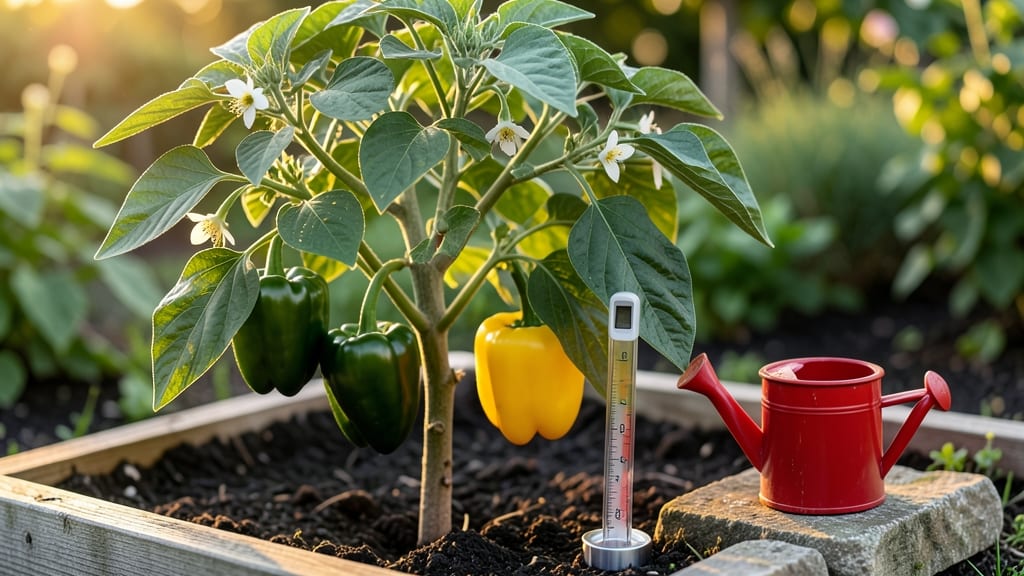
Understanding a bell pepper’s temperature tolerance is key: they thrive between 60°F and 95°F, but stray too far—and you’ll trigger bitter flavors or stunted fruit.
Picture this: your 🌶️ plants look healthy, but the peppers taste sharp and underwhelming. That’s your cue the heat or cold is stressing them, even if the leaves don’t show it yet.
Germination needs warmth (70°F+), while flowering and fruiting thrive in 75-85°F. Below 50°F or above 100°F, growth slows or stops—leaving you with fewer harvests.
Below, I’ll break down the exact temperature thresholds for each stage, plus 3 easy fixes to keep your peppers sweet and productive, no matter the forecast.
Bell pepper temperature tolerance: ideal ranges for growth and fruit production
Bell peppers are tropical plants at heart, and their temperature tolerance directly impacts everything from germination to fruit sweetness. While they love warmth, they’re not built for extremes—push them too far, and you’ll end up with bitter peppers or stunted plants instead of your dream harvest.
The secret to success? Understanding their exact temperature thresholds at every growth stage.
I’ve grown bell peppers in USDA Zones 6a–10a, and the difference between a 50°F morning and a 95°F afternoon can mean the difference between a bountiful harvest and a disappointing one.
Let’s break down the ideal temperature ranges for each critical phase—plus how to adjust when Mother Nature doesn’t cooperate.
Germination is the most temperature-sensitive stage. Seeds need consistent warmth (75–85°F) to sprout reliably. I’ve found that using a seedling heat mat is a game-changer in cooler climates—it keeps soil temps perfect and speeds up germination by 30%.
If your soil drops below 60°F, germination slows dramatically, and seeds may rot instead of sprouting.
Once seedlings emerge, they’re more resilient but still need 65–75°F to grow strong. In USDA Zones 6–7, I’ve learned to start seeds indoors under grow lights and only transplant after soil warms to 70°F+.
Cold snaps here can cause blackened stems or yellowing leaves, signaling the plant is struggling to uptake nutrients.
The flowering stage is where temperature tolerance becomes critical for fruit production. Peppers need 75–85°F to set flowers and pollinate successfully. Below 60°F, flowers drop off, and you’ll see blossom end rot—a telltale sign of calcium deficiency triggered by temperature stress.
In my garden, I’ve used row covers to add 5–10°F of warmth during cool springs, which has doubled my fruit set.
Fruiting is where most gardeners hit a snag—especially in hot climates. While peppers can tolerate up to 95°F, temperatures above 90°F trigger bitterness due to stress hormones. I’ve noticed this most with 'Jalapeño' varieties, which develop a sharp taste when exposed to prolonged heat.
To combat this, I install shade cloth (30–50%) during peak afternoon sun and water deeply to cool the
How to protect bell peppers from extreme heat and cold damage
Bell peppers thrive in warmth but can quickly suffer when temperatures swing too high or too low. Heat stress above 90°F (32°C) causes bitter flavors and blossom drop, while cold snaps below 50°F (10°C) stunt growth and invite disease.
The key to sweet, productive peppers lies in proactive protection—whether you're battling scorching summers or unexpected frosts.
Start by choosing the right varieties for your climate. Heat-tolerant types like 'Carolina Wonder' handle 100°F+ (38°C+) better than sensitive varieties like 'Sweet Banana'.
For colder regions, opt for early-maturing peppers that ripen before frost. Pairing the right plant with smart protective strategies ensures your harvest stays on track.
⚠️ Bell Pepper Temperature Tolerance Limits
Optimal Growth: 70–85°F (21–29°C) for flowering/fruiting
Heat Threshold: Above 90°F (32°C) → bitterness and blossom drop
Cold Threshold: Below 50°F (10°C) → growth stops; below 32°F (0°C) → plant death
Germination: Needs 75–85°F (24–29°C) soil; stalls below 60°F (15°C)
For heat protection, prioritize shade solutions like floating row covers or lightweight shade cloth (30–50%). Install these during peak afternoon sun when temperatures exceed 85°F (29°C). Pair shade with deep watering—soak soil 1–2 inches deep every 2–3 days to cool roots.
Mulch with straw or grass clippings to retain moisture and block heat from reaching the soil.
Cold damage requires physical barriers. Use row covers or low tunnels to trap heat, raising temperatures by 5–10°F (3–6°C). For light frosts (28–32°F/-2 to 0°C), wrap plants in burlap sacks or cardboard boxes at night.
Avoid plastic—it traps moisture and promotes fungal diseases. If frost is forecast, water plants thoroughly before sunset to insulate roots with ice.
Adjust your watering schedule based on temperature extremes. During heatwaves, water early morning to reduce evaporation and fungal risk. For cold snaps, reduce frequency but keep soil moist to prevent root freeze.
Avoid wetting foliage in cold weather—this can cause cold injury to leaves. Instead, water at the base of plants using drip irrigation or soaker hoses.
Monitor your peppers closely during temperature swings. Watch for wilting (heat stress) or yellowing leaves (cold damage). Prune affected foliage immediately to redirect energy to new growth.
For severe heat, trim lower leaves to improve airflow and reduce transpiration stress. In cold spells, remove any frost-damaged leaves to prevent disease entry points.
With these strategies, you’ll keep your bell peppers productive even in extreme conditions. Remember: consistency is key—whether it’s shade, mulch, or protective covers, tailor your approach to your local climate. Sweet, plump peppers are just a temperature buffer away! 🌶️🌡️