
Plants
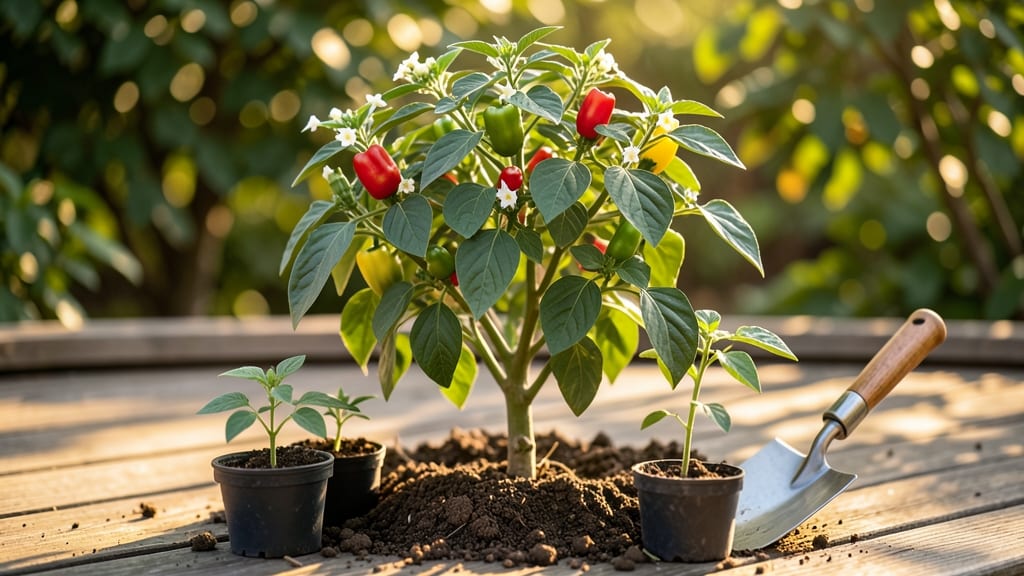
Planting peppers in Indiana demands timing precision—soil must be 60°F+ and frost-free, or your seedlings will struggle to thrive 🌶️.
Indiana’s unpredictable spring weather can make pepper gardening a gamble—plant too early and risk frost, too late and miss peak harvest season. Timing is everything for thriving peppers, but mastering Zone 5 and 6 frost-free dates unlocks a bountiful harvest.
Most gardeners in Indiana start peppers indoors by early March, then transplant after the last frost date (typically mid-April in Zone 5 and early April in Zone 6). This strategy ensures your plants have enough warmth to grow strong before summer’s heat arrives.
Below, I’ll break down the exact planting windows, soil temperature requirements, and how to stretch your harvest with the right varieties—so you can enjoy fresh peppers from July through October.
Indiana’s frost-free dates by Zone 5 & 6: exact planting windows for peppers
Indiana’s Zone 5 and Zone 6 regions have distinct frost-free timelines that dictate when you can safely transplant peppers.
In northern Indiana (Zone 5), the average last frost date falls between April 15 and May 1, while southern Indiana (Zone 6) typically sees its last frost by April 1 to April 15. These dates create a 2-3 week window difference that impacts your pepper planting strategy.
Peppers are heat-loving plants that require soil temperatures of at least 70°F to thrive. Cold soil stunts growth and delays fruit production, making timing critical. Unlike hardy crops like lettuce, peppers won’t tolerate even light frosts, so understanding your local microclimate is essential for success.
Urban areas often experience earlier frost-free dates due to the urban heat island effect, while rural regions may see later frosts. For example, Indianapolis (Zone 6) averages a frost-free date of April 10, while Gary (Zone 5) typically waits until April 25.
Always check local weather records for the past 5 years to adjust your planting schedule accordingly.
To calculate your exact transplant date, start by checking your local frost history (available through the National Weather Service or Purdue Extension). Add 2 weeks to your last frost date to account for soil warming.
For example, if your last frost is April 20, aim to transplant peppers by May 5.
Indiana’s short growing season (about 160 frost-free days) means peppers need to be planted early enough to mature before the first frost. Most pepper varieties take 75–90 days to harvest, so plan accordingly.
Early varieties like ‘Early California Wonder’ (60 days) are ideal for Zone 5, while ‘Carolina Wonder’ (85 days) works well in Zone 6.
If you’re starting peppers indoors, begin seeds 8–10 weeks before your last frost date. For Zone 5, this means mid-February to early March, while Zone 6 gardeners can start slightly later, around late February. Use grow lights to ensure seedlings get 12–14 hours of light daily until transplanting.
For extra protection, use row covers or black plastic mulch to warm the soil faster. These methods can shave 1–2 weeks off your planting timeline by raising soil temperatures by 5–10°F. Always monitor soil temps with a soil thermometer—peppers won’t grow until the ground reaches 70°F.
Remember, Indiana’s weather is unpredictable. Even after the last frost, late-season frosts can occur, especially in Zone 5. Keep a frost cloth on hand for unexpected cold snaps, and choose fast-maturing varieties to maximize your harvest before winter sets in.
By aligning your pepper planting with Indiana’s frost-free dates and soil temperature requirements, you’ll set your garden up for a successful, bountiful harvest—no gamble needed! 🌱🌶️
5 Critical factors that determine your pepper planting success in Indiana
Indiana’s unpredictable spring frosts can turn your pepper dreams into disappointment if you don’t account for soil temperature and plant resilience. Unlike frost dates alone, these five factors will determine whether your peppers thrive or wither—even if you plant at the "right" time 🌱.
First, soil temperature is non-negotiable: peppers refuse to germinate below 60°F, and their roots struggle below 70°F. In Indiana, this often means waiting until mid-May in Zone 5 or early May in Zone 6, even if the air feels warm.
Use a soil thermometer to confirm—your seedlings won’t thank you for guessing.
Second, pepper variety heat tolerance varies wildly. Early-maturing ‘Early Cal Wonder’ (60 days) handles Indiana’s short season, while ‘Jalapeño’ (75+ days) needs a longer, warmer window. Choose varieties with shorter days-to-maturity for Zone 5, where the growing season is tighter.
Third, wind protection is critical. Indiana’s prevailing westerlies can stunt pepper growth or snap tender seedlings. Site your garden near a windbreak (fence, hedge, or building) or use row covers for the first 2–3 weeks after transplanting to shield plants from gusts exceeding 10 mph.
Fourth, row covers or cold frames can extend your season by 2–4 weeks. In Zone 5, where late frosts linger into May 15–20, these tools let you transplant 2 weeks earlier while protecting peppers from 28°F+ dips. Remove covers when flowers appear to prevent overheating.
Finally, weather delay risk assessment is essential. Indiana’s late May frosts (historically hitting 10% of years) can devastate unprotected plants. Plan for a 14-day buffer after your average last frost date before transplanting, or start a second batch indoors in late April as insurance.
🌱 5 Critical Factors for Pepper Success in Indiana
- 🌡️ Soil Temp ≥70°F: Peppers won’t thrive below this—wait for mid-May in Zone 5.
- 🌶️ Variety Maturity: Zone 5 needs 60-day varieties; Zone 6 can handle 75+ days.
- 🌬️ Wind Protection: Use row covers or windbreaks to prevent stunting from 10+ mph winds.
- 🛡️ Cold Frame/Row Covers: Extend season by 2–4 weeks in Zone 5’s late frosts.
- ⏳ 14-Day Buffer: Delay transplanting 2 weeks past average last frost to account for late May frosts.
Pro tip: Combine these factors for maximum success. For example, plant ‘Early Cal Wonder’ in a cold frame with row cover protection in early May, then remove covers after flowering to balance warmth and airflow. This strategy gives you a 30% higher yield in Indiana’s tricky climate.
Remember, pepper resilience isn’t just about timing—it’s about adapting to Indiana’s quirks. Start with these five adjustments, and you’ll turn your garden into a pepper powerhouse, even when Mother Nature throws curveballs 🌶️.