
Planting
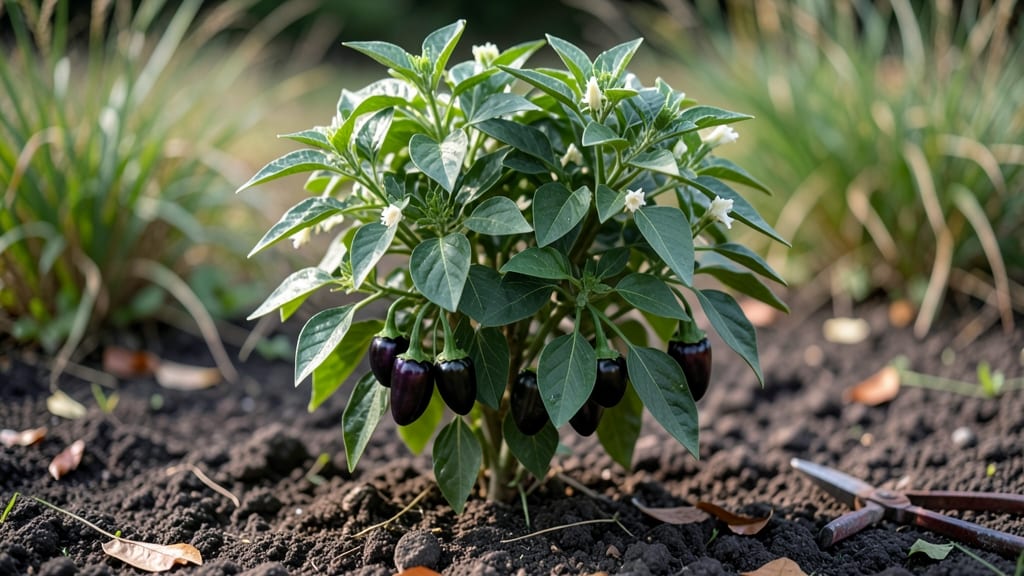
Growing a black pepper vine plant in just 60 days turns your balcony into a spice factory. 🌱 I’ve trained mine up a simple trellis, and the results—tiny, fiery peppers—are exactly what I wanted for homemade hot sauce. The key? Pole training, consistent watering, and a sunny spot.
This isn’t your grandma’s pepper plant—it’s a fast-growing, compact vine that thrives in containers. You’ll need a sturdy trellis, well-draining soil, and a spot with at least 6 hours of sunlight daily. Prune regularly to encourage bushier growth, and watch those peppers form in under two months.
By day 60, you’ll have a foot-tall vine dripping with peppers, ready to harvest. The flavor? A perfect balance of heat and fruitiness, perfect for sauces or dried spices. Plus, the glossy leaves add a lush, tropical touch to any garden corner.
Works for balconies, patios, or even sunny windowsills—just keep the soil moist and the trellis secure. Here’s how to get started without the guesswork!
📚 In This Guide
- What you need
- Instructions
- Tips and common mistakes
- Wrapping up and next steps
What you need
- ● Black pepper vine seeds (Piper nigrum) – 5-10 seeds (organic, non-GMO preferred for best results).
- ● Growing containers – 2-3 small pots (4-6 inches deep) for seedlings or a 1-gallon container for direct planting.
- ● Well-draining potting mix – 2-3 bags (look for a blend labeled "organic" or "peat-free" for sustainability).
- ● Pole or trellis support – 6-8 ft tall bamboo stakes, wooden posts, or a sturdy trellis (black pepper vines are vining plants!).
- ● Slow-release fertilizer – 1-2 lbs (preferably organic, like compost or worm castings).
- ● Spray bottle – For gentle watering (especially during germination).
- ● Plastic wrap or humidity dome – To retain moisture while seeds germinate.
- ● Pruning shears – For trimming vines as they grow (small, sharp pair works best).
- ○ Garden gloves – To protect your hands from prickly stems (optional but handy!).
- ● Mulch (straw or shredded leaves) – Helps retain soil moisture and regulate temperature.
- ● pH testing kit – Ensures your soil is slightly acidic (5.0-6.5, ideal for black pepper).
- ○ Grow lights (optional) – If starting indoors with limited natural light (LED full-spectrum bulbs recommended).
Step-by-step instructions for growing a pole-trained black pepper vine
Here's how to transform a small corner into a fragrant spice garden in just two months.
🌱 Step 1: Choose and Prepare Your Growing Space
Black pepper vines thrive in 6-8 hours of morning sun and need a sturdy 6-foot trellis or bamboo pole to climb. I position mine against a south-facing wall where it gets bright light without harsh afternoon heat. The vine will need 12-18 inches of vertical space between each tie point as it grows.
If your space lacks natural light, supplement with a grow light positioned 12 inches above the plant. Pepper vines grow best at 65-75°F—keep them away from drafts or air conditioning vents. You'll see rapid growth once the plant finds its footing, so choose a spot where it won't be disturbed.
🪴 Step 2: Plant Your Vine with Proper Support
Use a 10-12 inch pot with drainage holes for each plant (you'll have 4). Fill with well-draining potting mix mixed with 20% perlite to prevent root rot. Plant your black pepper vine 1 inch deeper than its current soil line—this encourages strong root development.
Immediately after planting, install your trellis or pole and loosely tie the main stem to it with soft plant ties. Don't cinch too tight—you want the vine to grow toward the support, not struggle against it. Water deeply until water runs from the drainage holes, then let the top inch of soil dry before watering again.
☀️ Step 3: Train and Prune for Maximum Yield
When your vine reaches 12 inches tall, pinch off the top set of leaves to encourage branching. This creates a bushier plant with more fruiting points. As new growth appears, guide each main stem along the trellis, tying them every 6 inches with soft twine. You'll end up with a lush, climbing vine that produces more peppercorns than a sprawling plant.
Here's the thing—pepper vines produce best when pruned regularly. After the first flush of growth, trim back any leggy stems that aren't following the trellis. Remove any yellow leaves immediately—they drain energy from your plant. You'll see new growth within 7-10 days of pruning, signaling the plant is responding well.
💧 Step 4: Maintain Consistent Moisture and Fertility
Water your vines every 2-3 days during active growth, keeping the soil evenly moist but not soggy. Pepper vines are sensitive to both drought and waterlogging—you'll know you've got it right when the top inch of soil feels dry to touch but deeper soil stays damp. Mulch with 1 inch of organic mulch to retain moisture and regulate soil temperature.
Feed your plants every 4-6 weeks with a balanced liquid fertilizer (10-10-10). I mix mine at half-strength to avoid burning tender new growth. You'll notice stronger stems and darker green leaves within two weeks of fertilizing. If you see slow growth or pale leaves, increase the frequency to every 3 weeks until the plant perks up.
✂️ Step 5: Harvest and Encourage Continuous Production
Black pepper vines produce peppercorns on the previous year's growth, so harvest carefully. When the peppercorns turn deep red (about 90 days after planting), twist them gently from the vine—they'll come off easily when ripe. You'll get 4-6 harvests per year if you maintain the plant properly.
After harvesting, trim back any spent stems to encourage new growth. The vine will reward you with fresh leaves and potential new peppercorns within 4-6 weeks. Real talk: your first harvest might be small, but each subsequent one gets better as the plant matures. Store dried peppercorns in an airtight container away from light to preserve their flavor for up to a year.
Tips & tricks for perfect pole-trained black pepper vine
Transforming a corner into a thriving spice garden takes just a few smart moves—here's how to set your pepper vine up for success from day one.
Location is Everything: That 6-8 hours of morning sun is non-negotiable for pepper vines. If your space only gets afternoon light, supplement with a grow light 12 inches above the plant for 8-10 hours daily. I've seen vines struggle when placed in direct hot afternoon sun—it can scorch the leaves and stress the plant. Position your trellis against a south-facing wall to maximize that gentle morning light.
Support System Matters: Don't skimp on your 6-foot trellis or bamboo pole—pepper vines can get surprisingly heavy as they mature. I reinforce mine with a sturdy garden stake at the base to prevent tipping. When tying the vine to the trellis, use soft plant ties that can grow with the vine. Too-tight ties will strangle the stems as they thicken—check them monthly and loosen if needed.
Pruning Pays Off: That first pinch at 12 inches tall might seem drastic, but it's what creates the bushy structure that produces more peppercorns. I prune again every 6 inches as new growth appears, always cutting just above a leaf node. This encourages the vine to branch out horizontally along the trellis rather than growing one long, leggy stem. You'll notice the difference in harvest size after just one growing season.
Watering Wisdom: The "top inch dry, deeper soil damp" test is your best friend here. I water in the morning so the leaves have time to dry before evening—this prevents fungal issues. During hot summer months, you might need to water every 1-2 days instead of the standard 2-3 days. Mulching with that 1 inch of organic material helps maintain even moisture without overwatering.
Pro Tips for Black Pepper Vine Plant
- Transforming a corner into a thriving spice garden takes just a few smart moves—here's how to set your pepper vine up for success from day one.
- Location is Everything: That 6-8 hours of morning sun is non-negotiable for pepper vines.
- Support System Matters: Don't skimp on your 6-foot trellis or bamboo pole—pepper vines can get surprisingly heavy as they mature.
Frequently asked questions
Got questions about growing your own black pepper vine plant?
You’re not alone! Here are some of the most common queries—plus quick, practical answers to get you growing like a pro in no time.
How long does it take for black pepper vine to produce edible pods?
With the right care, you can expect Piper nigrum (black pepper vine) to start flowering in 6–12 months and produce tiny green pods within 1–2 years. Pole training (like in this guide) speeds up maturity by providing support and maximizing sunlight exposure. Patience is key—think of it as a slow-burning spice investment!
Can black pepper vine survive winter outdoors?
Black pepper vine is a tropical plant and won’t tolerate frost (below 30°F/-1°C). If you live in a cold climate, grow it in containers and bring it indoors when temps drop. A sunny windowsill or grow light setup works well. For year-round outdoor growing, stick to USDA Zones 10–12 or use a greenhouse.
What’s the fastest way to harvest black pepper pods?
Harvest pods when they’re green and firm (for black pepper) or yellowish-red (for white pepper). Use clean scissors to snip stems, then dry them in a well-ventilated, dark place for 1–2 weeks. For speed, try a dehydrator on low heat (95°F/35°C) to cut drying time in half. Pro tip: Wear gloves—peppercorns stain!
What can I use if I don’t have a trellis for pole training?
No trellis? No problem! Use a sturdy bamboo stake, fishing line (for vertical growth), or even a string tied to a balcony railing. If growing in pots, a cage or wire frame works too. The goal is to give the vine support and upward light exposure—creativity counts!
Why are my black pepper vine leaves turning yellow?
Yellowing leaves usually signal overwatering or nutrient deficiency. Check soil moisture—it should stay evenly damp but not soggy. If roots smell rotten, repot in fresh, well-draining mix. For yellow edges, add fertilizer with iron or magnesium. Pests like spider mites can also cause stress—spray with neem oil if you spot webbing.
Can I grow black pepper vine from store-bought peppercorns?
Yes! Soak organic, untreated peppercorns in warm water for 24 hours, then plant them ½-inch deep in moist soil. Germination can take 4–8 weeks—be patient! For faster results, try air-layering a cutting from a mature vine. Just know store-bought peppercorns are often dried and may not sprout as reliably as fresh seeds.
Wrapping up and next steps
Growing your own black pepper vine plant in just 60 days is not only rewarding but also a delicious way to elevate your cooking! With the right materials, patience, and a little care, you’ll soon be harvesting fresh, aromatic peppers to spice up your favorite dishes.
Whether you’re a seasoned gardener or a beginner, this pole-trained method makes it easier than ever to cultivate a thriving spice garden.
Ready to take the next step? Start with a single seed or cutting today—your kitchen (and taste buds) will thank you! 🌱✨