
Plants
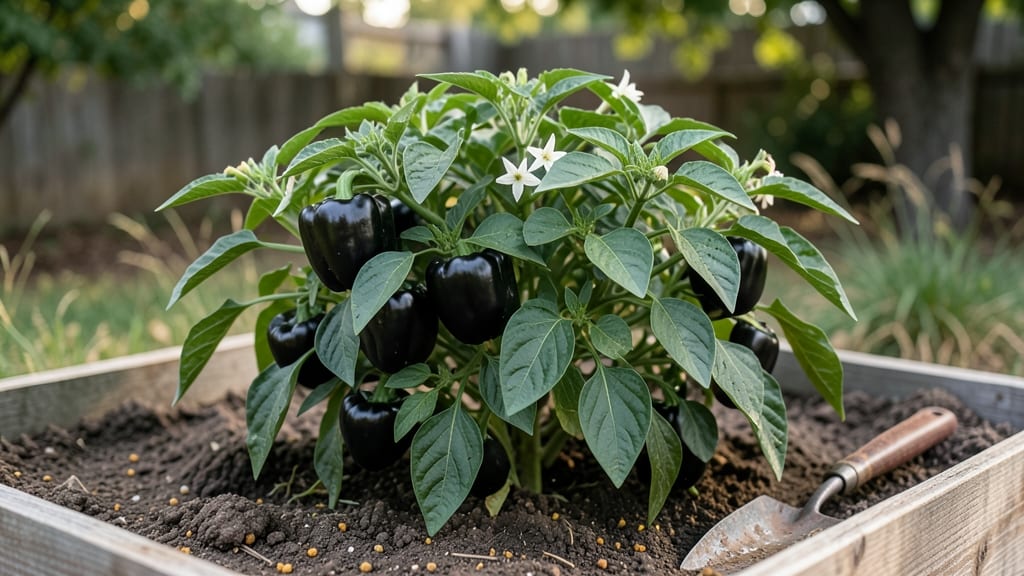
Growing black pepper vine delivers a fragrant, edible harvest that rivals anything from the grocery store—right from your balcony or patio. 🌿 I’ve watched mine climb 6 feet in a single season, producing clusters of tiny black berries packed with peppery flavor.
The secret isn’t complicated: it’s about matching this tropical vine’s needs to your space. Start with a 5-gallon container filled with well-draining potting mix (add perlite if your soil packs too tightly).
Black pepper vine thrives in morning sun and afternoon shade, making it perfect for containers that get 4-6 hours of daily light. Water when the top inch of soil feels dry—overwatering is the fastest way to kill these fast growers.
By midsummer, you’ll be harvesting peppery berries for cooking or drying, with vines that keep producing until frost. The aroma alone makes it worth growing, but the flavor? That’s the real game-changer. Prune back leggy growth in spring to encourage bushier, more productive vines.
Works in zones 9-11 outdoors, but most growers keep it in pots to bring indoors during cooler months. Here’s how to keep yours thriving all season long.
📚 In This Guide
- What you need
- Instructions
- Tips and common mistakes
- Wrapping up and next steps
What you need
- ● Black pepper vine seeds or cuttings: 3–5 seeds (or 1–2 healthy cuttings) – choose organic or heirloom varieties for best results.
- ● Container: 1–2 medium-sized pots (10–12 inches deep) with drainage holes, or a hanging basket (for trailing varieties).
- ● Potting mix: 3–5 gallons of well-draining, nutrient-rich soil blend (e.g., 60% coco coir, 30% perlite, 10% compost).
- ● Fertilizer: Balanced liquid fertilizer (10-10-10 or 20-20-20) or organic options like fish emulsion or worm castings.
- ● Watering can or spray bottle: With a fine rose attachment for gentle hydration.
- ○ Support structure (optional): Trellis, stakes, or a small cage for climbing varieties.
- ● Pruning shears: Sharp, sterilized shears for trimming and shaping.
- ○ Gloves (optional): To protect hands from prickly stems or soil.
- ● Sunlight access: A south-facing window, grow lights, or partial shade (4–6 hours of sunlight daily).
- ○ Humidity tray (optional): For tropical climates or dry indoor spaces.
- ○ pH testing kit (optional): To monitor soil acidity (ideal pH: 6.0–7.0).
Step-by-step instructions for growing black pepper vine in containers
Here's how to cultivate a fragrant, vine-covered treasure that thrives in pots.
🌱 Step 1: Select the Right Container and Soil Mix
Choose a 10-12 inch diameter pot with drainage holes—black pepper vine needs room to spread its roots while preventing soggy soil. I use terracotta because it breathes and helps regulate moisture. Fill the bottom with 2-3 inches of coarse gravel for extra drainage, then add a high-quality potting mix blended with 20% perlite for aeration.
Moisten the soil until it feels like a damp sponge—you should see water bead on the surface but not pool. Black pepper vine dislikes soggy roots, so this mix prevents rot while holding enough moisture for its tropical roots. I like to add a handful of well-rotted compost to the mix for extra nutrients without compacting the soil.
☀️ Step 2: Plant and Position for Optimal Light
Plant your black pepper vine cutting or young plant in the center of the pot, ensuring the soil line matches the pot's rim. Gently press the soil around the base to eliminate air pockets, but don't compact it—roots need space to breathe. The first few weeks are critical for root establishment, so I water lightly but consistently until the top inch of soil feels dry.
Place your container in bright, indirect light—think dappled sunlight or a spot near an east-facing window. Direct midday sun can scorch the delicate leaves, especially in summer. You'll know it's getting enough light when new leaves emerge with a deep green color and the vine grows about 6 inches per month. If growth slows, it needs more light.
💧 Step 3: Water and Fertilize for Healthy Growth
Water your black pepper vine when the top 1-2 inches of soil feel dry to the touch. Stick your finger in the soil—if it's damp past your first knuckle, wait another day. I use room-temperature water to avoid shocking the roots, and I always water at the base to prevent fungal issues on the leaves. Overwatering is the fastest way to kill this vine, so err on the side of slightly dry soil.
Feed your plant every 4-6 weeks with a balanced liquid fertilizer (10-10-10 or similar) diluted to half strength. This keeps the growth steady without burning the roots. I also sprinkle a slow-release granular fertilizer around the soil surface once a month for a steady nutrient supply. You'll see the difference in lush, glossy leaves within a few weeks of consistent feeding.
🪴 Step 4: Train and Prune for Bushier Growth
Black pepper vine grows aggressively, so I train it along a trellis, wire frame, or sturdy stake to guide its growth upward. Wrap the vine gently with soft twine or plant ties, adjusting as it grows. This not only saves space but also encourages more leaf production—more leaves mean more aromatic harvests. Prune leggy stems back by one-third to promote bushier growth and prevent the vine from becoming top-heavy.
Pinch back the tips of new growth in early spring to encourage branching. This is the secret to a fuller, more productive plant. I also remove any yellow or damaged leaves immediately—they drain energy from the plant and attract pests. Regular pruning keeps your black pepper vine looking tidy and productive for years.
⏰ Step 5: Prepare for Winter Dormancy
As temperatures drop below 50°F, your black pepper vine will slow down and may even lose some leaves. This is normal—it's entering a dormant phase. Reduce watering to every 2-3 weeks and stop fertilizing entirely until spring. Move the pot to a cool, bright location (like a garage with natural light) where temperatures stay above 40°F but below 55°F.
In late winter, before new growth appears, I give the vine a light trim to remove any dead or weak stems. Then, I repot it if it's been in the same container for over a year, using fresh potting mix. This refreshes the soil and gives the roots room to grow. With proper care, your black pepper vine will bounce back in spring, ready for another season of fragrant harvests.
Tips & tricks for perfect black pepper vine cultivation
A few simple insights that'll help your black pepper vine thrive in containers and reward you with bold, aromatic leaves.
Soil Mix Secrets: When blending your high-quality potting mix with 20% perlite, I like to add a handful of orchid bark (optional) to improve aeration even more—this vine loves well-draining soil. The 2-3 inches of coarse gravel at the bottom isn't just for drainage; it also helps prevent the pot from cracking if you use terracotta. Pro tip: Mix in a tablespoon of mycorrhizal fungi (available at garden centers) to boost root development—your vine will appreciate the extra help establishing itself.
Lighting Troubleshooting: If your vine grows 6 inches per month as mentioned, it's getting perfect light. But if you notice yellowing leaves or slow growth, your plant needs more brightness. Try rotating the pot quarter-turns every few days so all sides get even exposure. For indoor growers, a grow light on a 14-hour daily cycle works wonders during winter months when natural light is scarce. I keep mine about 12 inches away from the leaves to prevent scorching.
Pruning for Productivity: When pruning leggy stems back by one-third, focus on removing the longest, weakest growth first. These stems often compete with healthier branches for nutrients. I also recommend pruning just above a leaf node where new growth will emerge—this encourages bushier, more productive growth. The key is to prune in early spring when the vine is entering its most active growth phase, not in summer when it's already stressed from heat.
Winter Care Insight: During the dormant phase when temperatures drop below 50°F, your vine might look sad, but it's just conserving energy. The cool, bright location (40-55°F range) is crucial—too cold and roots may suffer, too warm and it might wake up too early. I place a small humidifier nearby (optional) to maintain about 40-50% humidity, which prevents leaf drop. This simple step makes spring revival much smoother.
Pro Tips for Black Pepper Vine
- A few simple insights that'll help your black pepper vine thrive in containers and reward you with bold, aromatic leaves.
- Soil Mix Secrets: When blending your high-quality potting mix with 20% perlite, I like to add a handful of orchid bark (optional) to improve aeration even more—this vine loves well-draining soil.
- Lighting Troubleshooting: If your vine grows 6 inches per month as mentioned, it's getting perfect light.
Frequently asked questions
Got questions about growing black pepper vine? You’re not alone! Here are some of the most common queries—and their answers—to help you cultivate this bold, aromatic climber with confidence.
How long does it take for black pepper vine to produce edible leaves?
With patience and the right care, you can expect Piper nigrum (black pepper vine) to start producing tender, peppery leaves in about 6–12 months. Young plants focus on root and vine growth first, so avoid harvesting heavily until they’re well-established. Prune lightly to encourage bushier growth!
Can I grow black pepper vine indoors year-round?
This tropical vine thrives indoors if you mimic its natural habitat: bright, indirect light (like an east- or south-facing window), humidity (60%+), and warmth (70–85°F). A grow light and a pebble tray with water can help if your home feels dry. Just avoid drafts—it’s a tropical diva!
Why isn’t my black pepper vine growing fast?
Slow growth often stems from light deprivation, poor drainage, or nutrient deficiencies. Check your soil—it should stay slightly moist but never soggy. Feed with a balanced liquid fertilizer (like 10-10-10) every 4–6 weeks during spring/summer. If leaves yellow, flush the soil with water to prevent salt buildup.
What’s a good alternative if I can’t grow black pepper vine?
If black pepper vine proves tricky, try these peppery, easy-to-grow substitutes:
- Peperomia (mild peppery notes, low-maintenance)
- Sweet basil (culinary staple, fast-growing)
- Sichuan pepper vine (Zanthoxylum) (spicy kick, cold-hardy)
- Lemongrass (citrusy aroma, great for cooking)
How do I harvest black pepper vine leaves without killing the plant?
Use sharp scissors to snip outer leaves first (they’re more mature and peppery). Avoid taking more than 1/3 of the foliage at once—this keeps the plant healthy. For continuous harvests, prune regularly to encourage new growth. Pro tip: Harvest in the morning for the strongest flavor!
Wrapping up and next steps
Growing a black pepper vine in containers is a rewarding adventure that brings bold flavors and lush greenery to your space! With the right care—sunlight, well-draining soil, and patience—you’ll soon enjoy its aromatic leaves and potential pepper harvests.
Whether you’re a seasoned gardener or a beginner, this fragrant vine is a fantastic addition to any home.
Ready to take the next step? Start with a single cutting or seed and watch your kitchen garden thrive! 🌱 Share your progress or tips with fellow plant lovers—happy growing!