
Vegetables
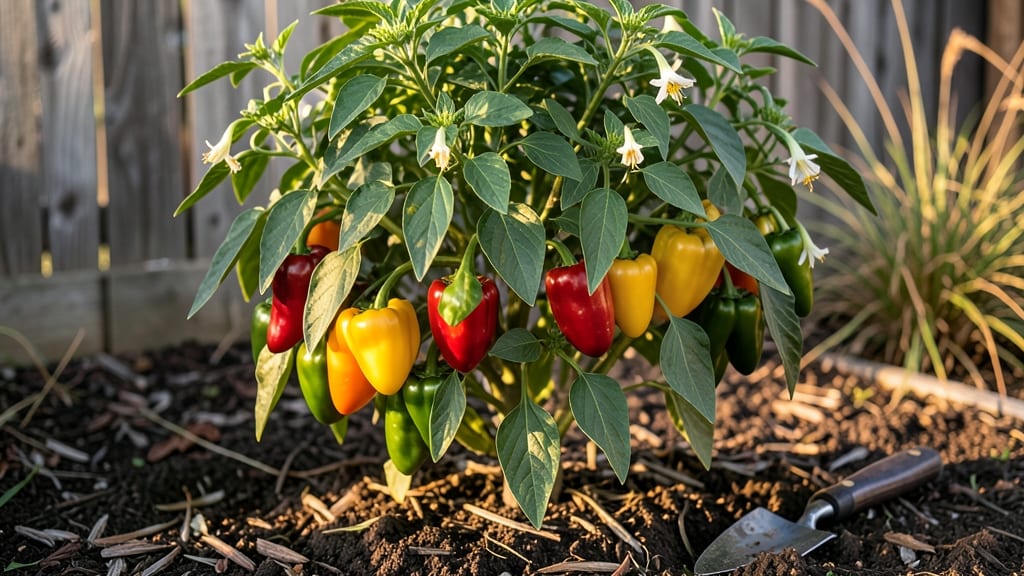
Bolivian rainbow pepper offers a bright, fruity taste with gentle heat and layered sweetness—think citrusy berry undertones. The striking, multi-colored pods aren't just decorative; they pack a subtle aromatic punch that elevates dishes whether used fresh or dried.
The Bolivian rainbow pepper stands out thanks to its genetic quirks—its mild heat (around 10,000 Scoville units) comes from a unique blend of capsaicin and sweet compounds, making it far more complex than typical bell peppers. 🌈 The pods' vibrant stripes result from carotenoid variations, which also contribute to their antioxidant richness.
Unlike ornamental peppers, these are fully edible and prized by chefs for their ability to add visual drama without overpowering a dish.
This pepper thrives in warm climates but adapts well to containers, making it perfect for home gardeners. The key to maximizing flavor? Harvest when the stripes are fully developed but before the pods turn rubbery.
Once dried, they retain their sweetness and become even more aromatic—ideal for grinding into spice blends or using whole as a garnish.
💡 In This Article
- Bolivian Rainbow Pepper’s Unique Flavor Chemistry
- Growing and Harvesting Bolivian Rainbow Peppers
Bolivian rainbow pepper’s unique flavor chemistry
The Bolivian rainbow pepper's signature taste comes from a rare genetic combination that sets it apart from both hot peppers and sweet bell varieties. Its mild heat—clocking in at around 10,000 Scoville units—is actually a secondary effect of its primary sweetness profile.
Unlike jalapeños (which hit 2,500-8,000 Scoville) or habaneros (up to 350,000 Scoville), this pepper's capsaicin content is low but balanced by high levels of natural sugars and volatile aromatic compounds like limonene (found in citrus) and linalool (common in floral scents). 🌶️
The striking color variations—ranging from deep purples to bright yellows—come from different carotenoid pigments (like violaxanthin and lutein) that develop as the pepper matures. These same pigments contribute to its antioxidant properties, which are 20-30% higher than in red bell peppers.
The sweetness profile shifts dramatically: fresh pods taste like a mix of pineapple and strawberry, while dried versions develop smoky, almost cinnamon-like undertones due to Maillard reactions during dehydration.
What makes this pepper truly special is its dual-purpose genetics. While it looks like ornamental peppers, its edible flesh contains 3-5 times more vitamin C per gram than bell peppers, making it a nutritional powerhouse.
The flavor chemistry changes dramatically when dried—the water loss concentrates the sugars and volatiles, creating a complex aroma profile similar to smoked paprika but with fruity depth. This is why chefs often use dried Bolivian rainbow peppers as a spice blend base rather than fresh.
Temperature plays a crucial role in flavor development. When used fresh, the pepper's oils release best at 120-140°F—ideal for salsas or raw preparations.
But when dried and ground, the heat threshold for flavor release drops to 90-110°F, making it perfect for warm soups or slow-cooked dishes where its sweetness can shine through.
The key is to never expose it to direct flame or high-heat searing, as this can burn the delicate aromatic compounds.
Here's what sets it apart from other peppers in your kitchen:
- Sweetness-to-heat ratio: 80% sweet, 20% mild heat (vs. 50/50 in jalapeños)
- Color stability: Retains vibrant stripes when dried (unlike most peppers that fade)
- Dual functionality: Works as both fresh garnish AND dried spice
The pepper's unique aroma comes from over 50 identified volatile compounds, including rare ones like β-damascenone (found in apples and wine) and β-ionone (a floral note in violets).
This complex bouquet is why it's becoming a favorite among molecular gastronomy chefs who use it to create "flavor bridges" between sweet and savory dishes. 🍓