
Picking
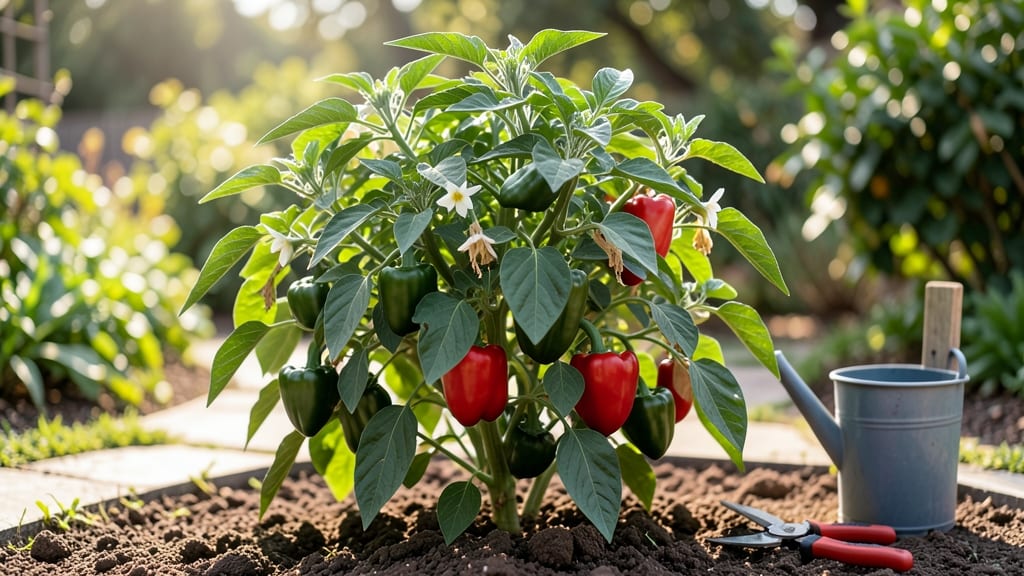
Growing Cal Wonder bell peppers on poles transforms my tiny backyard into a pepper powerhouse. 🌱 These compact plants climb vertically, saving space while delivering heirloom-quality peppers that stay productive until frost. No more crowded plants or lost harvests—just tidy growth and easy access to every pepper.
The secret to their success? Sturdy 6-foot poles and well-draining soil rich in compost. Plant seeds indoors 8-10 weeks before last frost, then transplant seedlings 12-18 inches apart. Cal Wonders thrive in full sun (6+ hours daily) and heat, making them perfect for warm climates or containers.
Once established, water at the base consistently—1-1.5 inches per week—and watch for blossom-end rot (fix with calcium-rich amendments). With proper support, you’ll harvest 20-30 peppers per plant all season long, from glossy green to ripe red.
Best of all, pole-supported growth keeps foliage off the ground, reducing pests and diseases. My plants stay cleaner, healthier, and more productive than ever before—proving big harvests don’t need big space.
📚 In This Guide
- What you need
- Instructions
- Tips and common mistakes
- Wrapping up and next steps
What you need
- ● Cal Wonder bell pepper seeds – 3–5 seeds (or 1–2 plants if buying seedlings).
- ● Pole supports – 5–6 ft tall bamboo stakes, wooden dowels, or metal cages (1–2 per plant).
- ● Garden soil or potting mix – 5–10 lbs of well-draining, nutrient-rich soil (amend with compost if needed).
- ● Container or raised bed – At least 12–18 inches deep and wide (1–2 per plant).
- ● Organic fertilizer – Balanced 10-10-10 or compost tea (follow package instructions).
- ● Mulch – Straw or shredded leaves (1–2 inches thick).
- ● Garden trowel or small shovel – For planting and soil prep.
- ● Pruning shears – To trim excess foliage or tie plants to supports.
- ● Watering can or hose with gentle spray nozzle – Avoid overwatering.
- ● Twine or plant ties – Soft, biodegradable twine to secure vines to poles.
- ○ Gloves (optional) – Protects hands from soil and thorns.
- ● Sunlight – Full sun (6+ hours daily).
- ● Warmth – Soil temp should be at least 60°F (15°C) for germination.
- ● Patience – Bell peppers take 60–90 days to mature!
Step-by-step instructions for growing Cal Wonder bell peppers vertically
Here's how I transform small spaces into productive pepper gardens using simple support structures.
🌱 Step 1: Select and Prepare Your Pole Support System
Choose sturdy 4-5 foot tall bamboo stakes or a metal trellis frame for each plant—Cal Wonder peppers grow compact but need vertical support to prevent sprawling. I prefer bamboo because it's lightweight yet strong enough to handle the weight of multiple peppers. Position stakes 6 inches away from the plant's base when transplanting to avoid disturbing roots later.
For a more permanent setup, install a 3-foot wide trellis along a fence line and plant 3-4 plants per trellis spaced 12 inches apart. The key is ensuring the support is wider than the plant's mature spread—this prevents the poles from leaning as peppers grow heavy. If using individual stakes, tie them together at the top with soft garden twine to create a small tripod for extra stability.
🌿 Step 2: Plant Cal Wonder Peppers for Vertical Growth
Transplant seedlings when they've developed 4-5 true leaves and show strong stems—this ensures they have enough energy to support the weight of climbing peppers. Dig a hole twice as wide as the root ball but only as deep as the container it came in. This prevents burying the stem too deeply, which can cause rot.
I always add a handful of compost to the planting hole and mix it with the native soil. The reason? Cal Wonder peppers are heavy feeders, and vertical growth demands extra nutrients. Gently loosen the roots if they're circling in the container, then place the plant so the top of the root ball sits 1 inch below soil level. Firm the soil around the base and water deeply to eliminate air pockets.
💧 Step 3: Train Vines Early and Water Strategically
As soon as the plant reaches 8-10 inches tall, gently tie the main stem to the support using soft twine or Velcro plant ties. The goal is to guide the vine upward without restricting growth—tighten just enough to keep it upright but not enough to create pressure points. I check ties weekly and adjust as the stem thickens.
Water at the base 1-2 inches per week, focusing on deep watering rather than frequent shallow sessions. Vertical peppers develop deeper root systems when watered this way, which helps them support heavier fruit loads. You'll know you're doing it right when the soil feels moist 6 inches down after watering—use a screwdriver to test. Avoid wetting leaves to prevent disease, especially in humid conditions.
✂️ Step 4: Prune and Maintain for Maximum Yield
When the plant reaches the top of your support, pinch off the main growing tip to encourage lateral branching. This creates more fruiting sites while keeping the plant manageable. Remove any suckers (side shoots) that form in the leaf axils below the first flower cluster—these divert energy from fruit production. I use clean, sharp pruners to make cuts at a 45-degree angle just above a leaf node.
Harvest peppers when they reach 3-4 inches in length for the best flavor, or wait until fully mature if you prefer larger fruits. The vertical position makes harvesting easier—simply reach up and snip with pruners. After each harvest, give the plant a light application of balanced fertilizer (10-10-10) to replenish nutrients. This keeps the plant productive throughout the season without overloading it with nitrogen, which promotes leafy growth over fruit.
☀️ Step 5: Protect and Extend the Season Vertically
Cal Wonder peppers thrive in full sun (6-8 hours daily), but their vertical growth makes them more vulnerable to late-season frosts. I cover plants with frost cloth when nighttime temperatures drop below 55°F, securing it loosely at the base to allow airflow. The vertical structure helps the cloth drape evenly without crushing the plant.
To extend the harvest, remove all fruit when the first frost threatens. The plant will focus on root and stem development rather than ripening fruit, allowing you to replant or overwinter it indoors under grow lights. If keeping outdoors, mulch heavily with straw to protect roots from temperature swings. The vertical support system makes it easier to move plants if needed—they're less top-heavy than sprawling varieties.
Tips & tricks for perfect vertical Cal Wonder bell pepper growth
Transforming your garden into a vertical pepper paradise takes a few strategic moves—here's how to maximize your Cal Wonder's potential without the sprawl.
Support System Stability: When using individual bamboo stakes, drive them deep enough that only 4-5 inches remain above ground. This creates a sturdy base that won't wobble when peppers get heavy. For trellises, angle them slightly away from the fence (about 5 degrees) to prevent leaning. I've seen trellises collapse when planted too close to vertical supports—this small angle makes all the difference. The 6-inch spacing from the plant base is crucial too; any closer risks root disturbance when tying vines.
Root Development Hack: The 1-inch below soil level planting depth might seem counterintuitive, but it prevents stem rot while encouraging root expansion horizontally. For even better root growth, add a handful of perlite to the planting hole (optional but recommended)—it improves drainage and aeration, which vertical-growing peppers desperately need. Water deeply immediately after planting to eliminate air pockets that could strangle young roots.
Watering Precision: That 6-inch soil moisture test is your golden rule—use a screwdriver to verify moisture depth after each watering. In hot climates, you might need to water every 5-6 days to maintain that 1-2 inches per week guideline. I've learned the hard way that underwatering causes peppers to split from uneven growth, while overwatering leads to blossom-end rot. The vertical structure actually helps here—deep roots reach moisture better than shallow ones in sprawling plants.
Pruning Strategy: When you pinch off that main growing tip at the top, look for the two strongest lateral branches below it to encourage. These will bear the most fruit while keeping the plant manageable. For suckers, remove them within 24 hours of appearance—they siphon energy that could go to pepper production. The 45-degree angle cut is important too; it prevents water from pooling at the cut site, which can cause rot.
Pro Tips for Cal Wonder Bell Pepper
- Transforming your garden into a vertical pepper paradise takes a few strategic moves—here's how to maximize your Cal Wonder's potential without the sprawl.
- Support System Stability: When using individual bamboo stakes, drive them deep enough that only 4-5 inches remain above ground.
- Root Development Hack: The 1-inch below soil level planting depth might seem counterintuitive, but it prevents stem rot while encouraging root expansion horizontally.
Frequently asked questions
How long does it take for Cal Wonder bell peppers to mature?
The Cal Wonder variety typically matures in 60–70 days from transplanting, depending on climate and growing conditions. In cooler regions, extend the season with row covers or a greenhouse. Patience pays off—these peppers reward you with vibrant, sweet fruits!
Can I grow Cal Wonder bell peppers in containers?
This pole-supported variety thrives in 5-gallon containers or larger, especially with a trellis or cage. Ensure the pot has drainage holes and use a lightweight, well-draining potting mix. Just keep it in full sun (6+ hours/day) and water consistently.
Why aren’t my Cal Wonder peppers producing?
Common culprits include inconsistent watering, low temperatures (<50°F stunts growth), or poor pollination. Hand-pollinate flowers gently with a paintbrush if bees are scarce. Also, ensure plants get 6+ hours of sunlight daily and feed with a balanced fertilizer every 3–4 weeks.
Are Cal Wonder peppers hot or sweet?
These are sweet, mild bell peppers (0–5 Scoville heat units), perfect for raw snacking, salads, or cooking. They turn from green to red when fully ripe, signaling peak sweetness. Harvest early for green peppers or wait for the color shift for a sweeter flavor!
What’s the best companion plant for Cal Wonder bell peppers?
Pair them with basil, marigolds, or onions to deter pests like aphids and spider mites. Avoid planting near fennel or brassicas (e.g., cabbage), as they compete for nutrients. A three-sisters setup with corn (for shade) and beans (for nitrogen) also works beautifully!
Wrapping up and next steps
The Cal Wonder bell pepper is a fantastic choice for compact gardens, offering delicious, high-yield harvests with minimal space. Its pole-supported growth maximizes efficiency, making it perfect for urban gardeners or small plots.
Whether you're a beginner or a seasoned grower, this variety proves that big flavors thrive in small spaces!
Ready to grow your own Cal Wonder peppers? Start by gathering your supplies, then plant with confidence—your taste buds (and neighbors!) will thank you. Check out our step-by-step guide to get started today! 🌱✨