
Trees
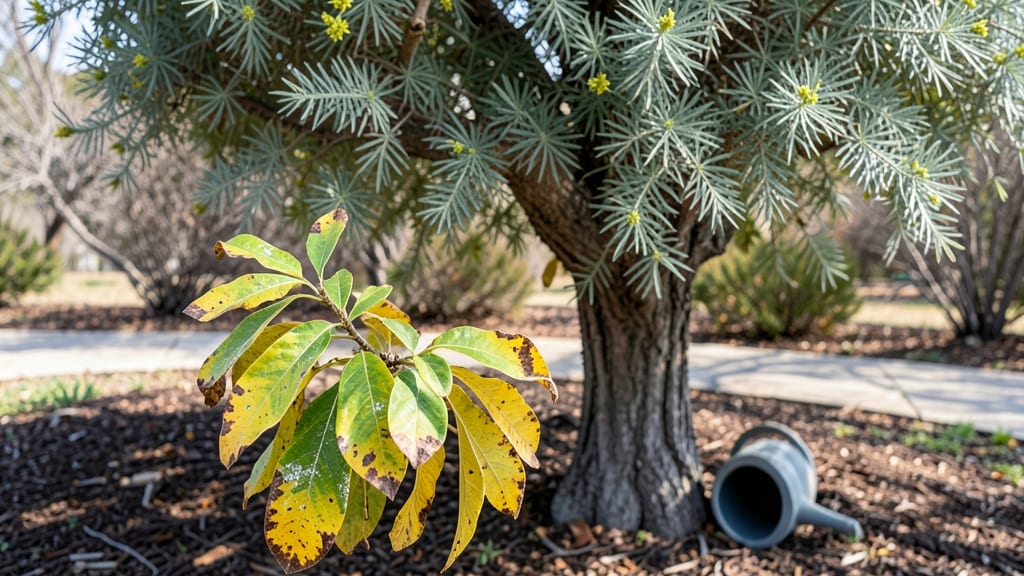
If your California pepper tree is dropping leaves like it’s autumn—except it’s July—you’re likely dealing with the most common California pepper tree problems, and I’ve seen them all. shock.
The good news? Most problems have simple fixes once you know what to look for. Spider mites leave tiny yellow dots on leaves, scale insects create sticky residue, and powdery mildew coats branches in white.
Drought stress shows up as brittle leaves, while overpruning leads to sparse growth and weak branches.
With the right approach, you'll have your tree thriving again in no time. We're talking lush green foliage, fewer pests, and a stronger structure that lasts for decades. The key is catching issues early and addressing them with targeted care.
Whether it's adjusting your watering schedule, applying the right treatment, or pruning at the perfect time, these fixes work for both new and established trees. Let's get your pepper tree back to its healthy, shade-providing best.
Root Causes Behind Tree Struggles
Understanding why your California pepper tree (Schinus molle) faces health issues starts with uncovering the underlying factors. These trees are hardy but can still fall victim to environmental stress, biological threats, or human-related mistakes. Below, we break down the why behind common problems—so you can address them effectively.
California pepper trees thrive in warm, dry climates, but extreme conditions can push them past their limits. Here’s how environmental factors trigger problems:
- Watering Woes - Overwatering: Pepper trees hate soggy roots. Excess moisture suffocates roots, leading to root rot (a fungal infection like Phytophthora). Signs include yellowing leaves, wilting, and a foul smell at the base. - Underwatering: Drought stress causes leaves to curl, brown, and drop.
The tree may also develop leaf scorch (brown edges) due to dehydration. - Pro Tip: 💡 Water deeply 1-2 times per week in summer, but reduce to once every 2-3 weeks in winter. Check soil moisture 2-3 inches down—it should feel slightly damp, not drenched.
- Temperature & Sun Exposure - Frost Damage: While pepper trees tolerate light frosts, prolonged cold (<25°F) can kill leaves or branches.
New growth is most vulnerable. - Sunburn: Intense afternoon sun (especially in desert areas) can scorch leaves, causing bleached or crispy patches. - Fix: 🌡️ In frost-prone zones, wrap young trees in burlap or use frost cloth. For sunburn, provide partial afternoon shade during extreme heat.
- Poor Soil Conditions - Compacted or Clay Soil: Restricts root growth, leading to stunted trees or nutrient deficiencies (e.g., yellowing leaves from iron/chlorosis). - Alkaline Soil (pH >7.5): Locks out essential nutrients like iron and manganese, causing interveinal chlorosis (yellowing between leaf veins). - Solution: 🔄 Amend soil with compost or organic matter to improve drainage.
For alkaline soil, add sulfur or peat moss to lower pH gradually.
Pests and pathogens exploit stressed trees, turning minor issues into major crises. Here’s how they attack:
- Common Pests
- Aphids & Scale Insects: These sap-suckers weaken trees by draining nutrients, leading to sticky honeydew (a sign of infestation) and sooty mold (black fungal growth).
- Spider Mites: In dry heat, they spin webs and cause speckled, bronze leaves due to feeding damage.
- Action Plan: 🔥 Blast pests off with a strong water spray, or use neem oil (1 tbsp per gallon of water) for organic control.
- Fungal & Bacterial Infections - **Root Rot (Phytophthora): Thrives in overwatered, poorly drained soil.
Symptoms include mushy brown roots and sudden wilting. - Canker Disease**: Fungal/bacterial infections (e.g., Leucostoma) create sunken, oozing lesions on bark, killing branches over time. - Prevention: ✨ Avoid wounding the trunk, and sterilize pruning tools with rubbing alcohol to prevent spread.
- Invasive Species
- Psyllids: Tiny jumping insects that cause leaf curl and gall formation (hardened bumps on stems). Severe cases stunt growth.
- Control: 🎯 Prune and destroy heavily infested branches. Use insecticidal soap for light cases.
Even well-meaning gardeners can unintentionally harm pepper trees. Here’s how:
- Over-Pruning or Wrong Timing - When to Prune: Heavy pruning in late winter/early spring (before new growth) stresses the tree.
Pruning in summer can encourage weak, disease-prone growth. - How to Prune: Remove dead, crossing, or diseased branches—never more than 25% of the canopy in one session. - Mistake: 🔪 Topping the tree (cutting back to stubs) leads to weak regrowth and pest entry points.
- Improper Fertilization - Over-Fertilizing: Excess nitrogen causes rapid, weak growth susceptible to pests/diseases.
Too much salt (from synthetic fertilizers) burns roots. - Under-Fertilizing: Leads to pale leaves, poor flowering, and weak wood. - Balance: 📊 Use a slow-release, balanced fertilizer (e.g., 6-6-6 or 8-3-9) in early spring. Test soil first!
- Planting in the Wrong Spot - Competition: Planting too close to larger trees, buildings, or sidewalks restricts root spread and air circulation, inviting pests. - Wind Exposure: Young trees in exposed areas suffer desiccation (dried-out leaves) or physical damage from wind. - Fix: 🌳 Space trees 15-20 feet apart from structures and other plants.
Use windbreaks (like shrubs) for young specimens.
Key Takeaway: Most California pepper tree problems stem from stress + opportunity. By addressing water, soil, pests, and pruning practices, you can restore your tree’s health—and prevent future crises. Stay vigilant, and your pepper tree will reward you with years of vibrant foliage and fragrant blooms!
Fixing Common Pepper Tree Issues
California pepper trees (Schinus molle) are hardy and low-maintenance, but they can still face pests, diseases, and pruning challenges. The good news? Most problems have simple, effective solutions—if you catch them early.
Below, we break down practical fixes for the most common issues, along with preventive tips to keep your tree thriving.
🔥 Scale Insects: Suffocate & Scrub Them Away
Scale insects leave a sticky residue (honeydew) and weaken branches. Here’s how to evict them: - Manual Removal: Use a hose with strong water pressure to dislodge them from leaves and bark.
Repeat weekly for severe infestations. - Insecticidal Soap: Mix 1–2 tbsp mild castile soap with 1 quart water and spray directly on infested areas. Reapply every 5–7 days. - Neem Oil Spray: Combine 1 tbsp neem oil + 1 tsp dish soap + 1 quart water.
Spray in the early morning or evening to avoid harming bees.
✨ Prevention Tip: Encourage ladybugs and lacewings—natural predators of scale—by planting companion flowers like marigolds or dill nearby.
🍳 Aphids & Spider Mites: Drown Them in Soap & Water
These tiny pests suck sap, causing yellowing leaves and webbing.
- Blast Them Off: Spray leaves with a strong stream of water 2–3 times a week.
- Homemade Spray: Mix 1 tsp horticultural oil + 1 tsp dish soap + 1 quart water.
Spray undersides of leaves where mites hide. - Companion Planting: Surround your tree with basil, garlic, or chives to repel aphids naturally.
💡 Pro Tip: If you see sticky residue on leaves, wipe it with a damp cloth—this honeydew attracts sooty mold, which darkens foliage.
🍳 Powdery Mildew: Baking Soda to the Rescue
This white, powdery fungus thrives in humid conditions. - Baking Soda Spray: Mix 1 tsp baking soda + 1 quart water + ½ tsp dish soap.
Spray every 7–10 days until gone. - Improve Airflow: Thin out dense branches to reduce humidity near the tree. - Fungicide (Severe Cases): Use copper fungicide (follow label instructions) if mildew persists.
🔥 Prevention Tip: Water at the base (not overhead) and prune for sunlight—powdery mildew loves shade and dampness.
🍎 Root Rot & Canker: Drainage & Pruning Tricks
Overwatering or poor drainage leads to root rot or canker disease (sunken, oozing wounds). - Fix Drainage: Amend soil with compost or perlite to improve aeration.
If planted in clay, consider raising the root zone with gravel. - Prune Infected Branches: Cut 2–3 inches below cankers with sterilized pruners (wipe with rubbing alcohol between cuts). - Fungicide for Canker: Apply copper-based fungicide to pruning wounds to prevent spread.
⏰ Emergency Move: If root rot is severe, transplant the tree to a well-draining spot—act fast before it dies.
👨🍳 Overgrown or Leggy Branches: The Right Cuts
If your pepper tree looks top-heavy or sparse, prune strategically:
- When to Prune: Late winter or early spring (before new growth).
- How to Cut:
- Remove dead, crossing, or weak branches first.
- For shape, cut just above a leaf node (where new growth emerges).
- Avoid cutting more than 25% of foliage in one season—this stresses the tree.
- Thinning vs. Heading Back:
- Thinning (cutting whole branches) improves airflow.
- Heading back (trimming branch tips) encourages bushiness.
🎯 Prevention Tip: Prune regularly (once a year) to avoid sudden heavy cuts that shock the tree.
🔪 Mushrooms at the Base: Fix the Moisture Issue
Mushrooms sprouting from the base signal excess moisture—not a disease.
- Stop Overwatering: Let soil dry 2–3 inches deep before watering again.
- Improve Drainage: Add organic mulch (wood chips) around the base (keep it 3–4 inches away from the trunk).
- Aerate the Soil: Use a garden fork to loosen compacted soil around roots.
🌡️ Warning Sign: If mushrooms keep returning, your tree may have root rot—act fast with fungicide or replanting.
| Problem | Quick Fix | Prevention Tip |
|---|---|---|
| Yellow Leaves | Check for overwatering, pests, or nutrient deficiency (fertilize in spring). | Water deeply but infrequently; use slow-release fertilizer. |
| Dropping Leaves | Could be stress from pruning, pests, or transplant shock. | Prune in dormant season; mulch to retain moisture. |
| Slow Growth | Lack of sunlight or nutrients. | Plant in full sun; fertilize with balanced 10-10-10 in early spring. |
Final Thought: Most California pepper tree problems are easily reversible with the right care. Act fast at the first sign of trouble, and your tree will bounce back stronger than ever! 🌳💪
Frequently asked questions
Why are my California pepper tree leaves turning yellow?
Yellow leaves usually signal overwatering or nutrient deficiencies. Check soil moisture—it should be slightly damp 2-3 inches down, not soggy. For deficiencies, apply a balanced fertilizer (6-6-6) in early spring. If yellowing starts between leaf veins, your soil may be too alkaline—test it and amend with sulfur or peat moss if needed.
How do I get rid of the sticky residue on my pepper tree branches?
That sticky residue is honeydew from sap-sucking pests like aphids or scale insects. Blast them off with a hose on high pressure, then treat with neem oil spray (1 tbsp per gallon of water). For severe cases, apply insecticidal soap every 5-7 days. Wipe leaves with a damp cloth to remove residue and prevent sooty mold from forming.
Can California pepper trees survive frost?
Young trees can handle brief dips to 25°F, but prolonged cold (<20°F) damages leaves and branches. Wrap young trees in burlap or use frost cloth for protection. Mature trees usually recover, but new growth may be lost. Avoid planting in frost pockets—choose sheltered locations with good air circulation.
Why is my pepper tree dropping leaves suddenly?
Sudden leaf drop often means transplant shock, pest infestation, or improper watering. Check for pests first (look for webs or tiny insects). If soil is either bone-dry or waterlogged, adjust your schedule—deep watering 1-2 times per week in summer, less in winter. Mulch around the base to stabilize soil moisture.
Is it safe to prune my pepper tree in summer?
Summer pruning can stress the tree and encourage weak growth. Always prune in late winter/early spring before new growth begins. If you must prune in summer, limit cuts to dead or diseased branches only. Never remove more than 25% of the canopy—this weakens the tree. Sterilize tools with rubbing alcohol to prevent disease spread.