
Featured
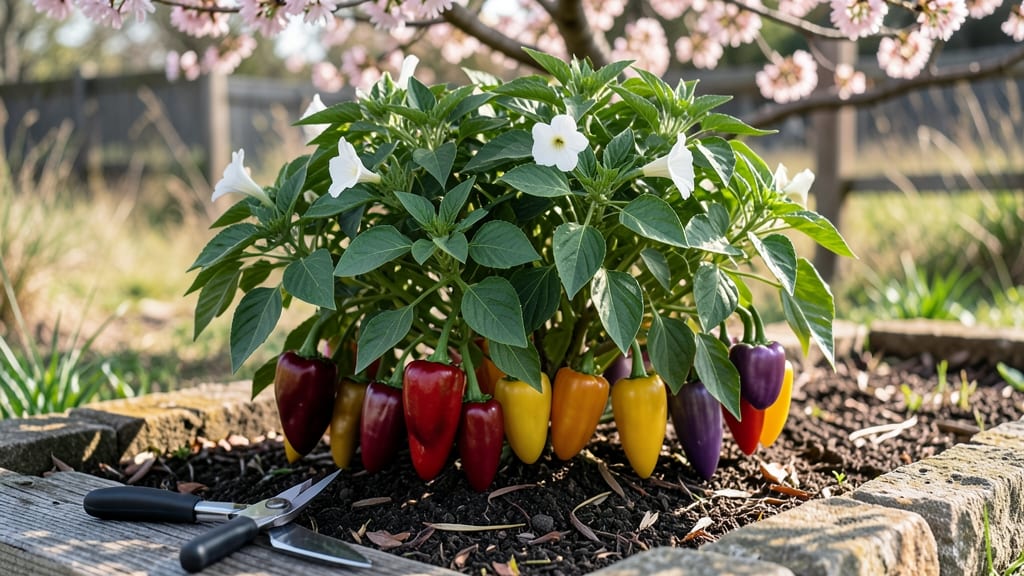
You can eat ornamental peppers, but only specific varieties like 'Apache,' 'Black Pearl,' or 'Jalapeño Mango' are edible. Most decorative types contain toxic seeds or bitter compounds, so always verify the variety before consuming.
Not all ornamental peppers are safe to eat—it really depends on the variety. 🌶️ The ones you can safely consume, like 'Apache' or 'Jalapeño Mango,' are bred for both beauty and flavor, with mild heat levels and edible seeds.
However, many decorative peppers (especially those with unusual colors or shapes) are hybridized for ornamental purposes only, often containing toxic compounds. If you're unsure, check with a gardening expert or research the specific cultivar before trying them in recipes like salsas or pickles.
Even edible ornamental peppers should be prepared carefully—remove seeds and membranes if you're sensitive to capsaicin, as these can intensify spiciness. Always start with a small taste to test tolerance, especially if you're new to pepper varieties.
💡 In This Article
- Identifying Safe Edible Ornamental Pepper Varieties
- Growing and Harvesting Edible Ornamental Peppers
Identifying safe edible ornamental pepper varieties
Ornamental peppers are bred primarily for their striking colors and unique shapes, but some varieties like 'Apache,' 'Black Pearl,' and 'Jalapeño Mango' are cultivated specifically for both decoration and consumption.
These edible types typically have thick, glossy skins and vibrant hues ranging from deep purples to fiery reds, which indicate natural pigments rather than artificial dyes.
The key difference lies in their breeding—edible ornamental peppers are often crossbred with culinary peppers like jalapeños or habaneros, ensuring their seeds and flesh remain non-toxic.
The toxicity risk comes from hybrid breeding focused on visual appeal rather than flavor. Many decorative peppers contain high levels of capsaicin concentrated in the seeds and membranes, which can cause severe stomach upset or even poisoning.
For example, the 'Fish Pepper' (Capsicum annuum) has edible fruit but contains toxic seeds, while the 'Pepperberry' (Capsicum frutescens) is entirely safe when fully ripe. Always check the variety name—edible types will often include terms like "culinary," "edible," or "pepperberry" in their description.
Visual cues can help distinguish safe varieties. Edible ornamental peppers usually have thick, fleshy walls (at least 1/8 inch thick) and a glossy finish, indicating they were bred for consumption. Toxic types often have thin, papery skins or irregular shapes with uneven ripening.
The seeds in edible varieties are typically small and white, while toxic seeds may appear dark or shrunken. When in doubt, remove all seeds and membranes before eating, as capsaicin levels can vary even within safe varieties.
Another critical factor is the ripeness of the pepper. Many ornamental peppers develop their most vibrant colors when fully ripe, but some toxic compounds only break down at this stage.
For instance, 'Black Pearl' peppers are safe when fully mature, but their deep purple-black hue can be misleading if harvested too early. Always research the specific variety's maturity timeline and flavor profile—some edible types, like 'Apache,' are sweeter when fully ripe, while others retain a mild heat.
If you're growing your own, consider planting certified edible ornamental varieties. Nurseries often label these separately from purely decorative peppers, and they're typically sold in seed packets with clear consumption guidelines. For example, 'Jalapeño Mango' is a hybrid bred for both its decorative fruit and mild, fruity heat.
When shopping at markets, ask vendors about the pepper's origin—many specialty growers can confirm whether a pepper is safe to eat.
For those with sensitive stomachs, even edible ornamental peppers should be introduced gradually. Start with a small piece (about 1/4 inch) to test tolerance, as some varieties can still cause mild digestive discomfort. Pairing them with cooling agents like yogurt or cucumber can help balance any unexpected heat.
Remember, the key to safe consumption is always knowing your pepper's lineage—when in doubt, admire them as decorations rather than snacks!