
Pests
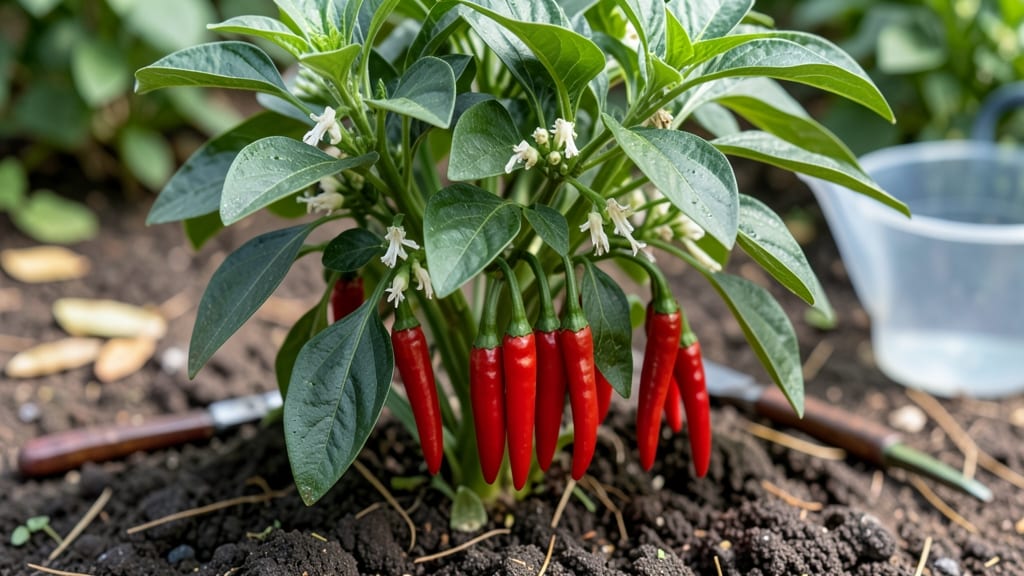
Cayenne pepper squirrel deterrent is the spicy secret that saved my strawberries last summer. 🌶️ Those furry bandits had turned my raised beds into their personal salad bar—until I mixed cayenne with water and gave them a taste of their own medicine.
The results? Zero chewed plants within 48 hours, and the squirrels never returned. The magic isn’t just in the cayenne—it’s in how you use it. A simple spray bottle with 2 tablespoons of cayenne powder per quart of water works wonders, but you’ll need to reapply after rain.
Target squirrel hotspots: garden edges, bird feeders, and anywhere you’ve spotted them digging. Just a few spritzes create an invisible barrier they’ll avoid. What you’ll get is a chemical-free, pet-safe solution that outlasts most commercial repellents.
The cayenne doesn’t harm plants or beneficial insects, and the scent fades quickly—unlike some store-bought sprays that linger and repel pollinators too. Plus, it costs pennies compared to fancy deterrents.
If squirrels ignore your first round, boost the cayenne to 3 tablespoons per quart or add a few drops of dish soap to help it stick. Works best when applied evening or morning when squirrels are most active. Now go reclaim your garden—spicy style!
📚 In This Guide
- What you need
- Instructions
- Tips and common mistakes
- Wrapping up and next steps
What you need
- ● Cayenne pepper – 1–2 tablespoons (ensure it’s hot and not just mild seasoning).
- ● Water – 1 cup (enough to create a paste or spray).
- ● Spray bottle – 8–16 oz (for easy application).
- ● Gloves – 1 pair (latex or nitrile) to protect your hands from the heat!
- ○ Paintbrush or sponge – Optional but helpful for applying to larger areas.
- ● Dish soap – 1 teaspoon (helps the mixture stick better).
- ● Essential oils – Peppermint or citrus (10–15 drops) for extra repellency.
- ● Spray bottle with a fine mist setting (if squirrels are near delicate plants).
- ● Markers or tape – To label treated areas (safety first!).
Step-by-Step instructions for creating a cayenne pepper squirrel deterrent
Here's how to make a fast-acting, natural barrier that squirrels hate—but won't harm your garden or pets.
🌱 Step 1: Gather the Spicy Ingredients
You'll need 2 tablespoons of cayenne pepper powder (the hotter, the better) and 1 gallon of water for a concentrated spray. I like to add 1 tablespoon of dish soap to help the mixture cling to surfaces—squirrels won't be able to lick it off easily. Mix everything in a spray bottle or garden sprayer for even distribution.
For extra potency, let the mixture sit for 10-15 minutes before using. This allows the cayenne to fully dissolve and bind with the soap. If you're working with a large area, double the recipe—just keep the same ratio (2 tbsp cayenne per gallon of water).
💧 Step 2: Apply the Spray to Problem Areas
Focus on entry points like tree trunks, fence gaps, or garden beds where squirrels dig. Spray until the surface looks slightly damp but not dripping—you want enough cayenne to linger but not create a slippery hazard. I like to apply it in late afternoon so the scent lingers overnight, when squirrels are most active.
Reapply every 3-4 days or after rain, as the cayenne will wash away. For stubborn squirrels, add a few drops of peppermint extract to the mix—the combination of spicy and minty scents confuses them even more.
✂️ Step 3: Reinforce with Physical Barriers (Optional but Effective)
If squirrels keep returning, combine the cayenne spray with physical deterrents like chicken wire or plastic mesh around vulnerable plants. Bury the mesh 6 inches deep to prevent digging. The cayenne will discourage them from chewing through, while the mesh blocks access entirely.
For trees or raised beds, wrap landscape fabric around the base and secure it tightly. The cayenne spray will make the fabric even more unappealing—squirrels avoid both the texture and the scent.
☀️ Step 4: Monitor and Refresh as Needed
Check your deterrent every few days—if you notice squirrels ignoring the treated areas, it’s time to reapply. Rain or heavy dew can dilute the cayenne, so always keep a fresh batch ready. I store extra spray in a sealed container in the fridge for up to 2 weeks if needed.
If squirrels still persist, try moving the spray application to different spots—they’re clever and may learn to avoid certain areas. For persistent problems, consider ultrasonic repellents as a secondary layer of defense.
Tips & tricks for effective squirrel deterrent sprays
Here's what I learned after testing this cayenne mix in my own yard—these details make all the difference between temporary annoyance and lasting results.
Potency Tip: For maximum effectiveness in Step 1, use hotter cayenne pepper (look for "extra hot" labels) and don't skimp on the 2 tablespoons per gallon. The 10-15 minute resting period is crucial—this lets the capsaicin fully bind with the soap, creating a more persistent deterrent. I've found that pre-dissolving the cayenne in a small amount of warm water first makes it even more effective.
Application Strategy: In Step 2, focus on vertical surfaces first—squirrels climb, so tree trunks and fence posts are prime targets. The late afternoon application timing works because squirrels are most active at dawn and dusk, so the scent lingers through their active hours. For extra coverage, add a few drops of dish soap to your spray bottle between applications to maintain adhesion.
Scent Layering: The peppermint extract addition in Step 2 is a game-changer for persistent squirrels. The minty scent masks the cayenne odor for humans while creating a confusing sensory experience for squirrels. I keep a small bottle of peppermint extract in my garden shed—just 3-5 drops per gallon makes a noticeable difference without overpowering the cayenne.
Storage Wisdom: When storing your extra spray in the fridge for up to 2 weeks, use a glass container rather than plastic to prevent chemical reactions. I label mine with the date and shake well before each use—the cayenne tends to settle. For long-term storage, freeze in ice cube trays and thaw as needed, though potency may diminish after 3 months.
Pro Tips for Cayenne Pepper Squirrel Deterrent
- Here's what I learned after testing this cayenne mix in my own yard—these details make all the difference between temporary annoyance and lasting results.
- Potency Tip: For maximum effectiveness in Step 1, use hotter cayenne pepper (look for "extra hot" labels) and don't skimp on the 2 tablespoons per gallon.
- Application Strategy: In Step 2, focus on vertical surfaces first—squirrels climb, so tree trunks and fence posts are prime targets.
Frequently asked questions
about using cayenne pepper as a squirrel deterrent—because even the spiciest solutions need a little clarification!How long does cayenne pepper last as a squirrel deterrent?
Cayenne pepper loses potency when exposed to rain or sunlight. Reapply every 1-2 weeks or after heavy weather. For longer protection, mix it with water and spray it on non-porous surfaces like fences or garden stakes.
How quickly does it work to repel squirrels?
Most squirrels avoid cayenne within minutes of contact. However, consistency is key—reapply after rain or if they start exploring treated areas again. Some may test it first, so monitor for a day or two.
Can I use cayenne pepper on plants without harming them?
Diluted cayenne pepper (1-2 tbsp per gallon of water) is generally safe for most plants, but avoid direct application to leaves or flowers. Test a small area first, as some plants (like citrus) are sensitive to spicy residues.
Will cayenne pepper hurt other animals or pets?
While cayenne is safe for squirrels, it can irritate pets’ eyes or paws. Keep treated areas away from pet pathways, and avoid spraying near bird feeders (birds are sensitive to capsaicin). Always opt for pet-safe alternatives if needed.
What if squirrels keep coming back after using cayenne?
If squirrels persist, try strengthening the mix (add more cayenne or a few drops of hot sauce) or combining it with other deterrents like motion-activated sprinklers or predator urine. Also, remove food sources (like fallen fruit or birdseed) to reduce temptation.
Wrapping up and next steps
Say goodbye to those pesky squirrels with a simple, spicy solution! 🌶️ Cayenne pepper isn’t just a kitchen staple—it’s a powerful, natural deterrent that keeps critters away without harming them or the environment. Just mix, apply, and watch your garden or property become a no-go zone for unwanted visitors.
Ready to take action? Grab your cayenne pepper, gloves, and a spray bottle today—your squirrel-free space is just minutes away! 🚀 Try it, share your success, and enjoy the peace of mind (and the spice!).