
Picking
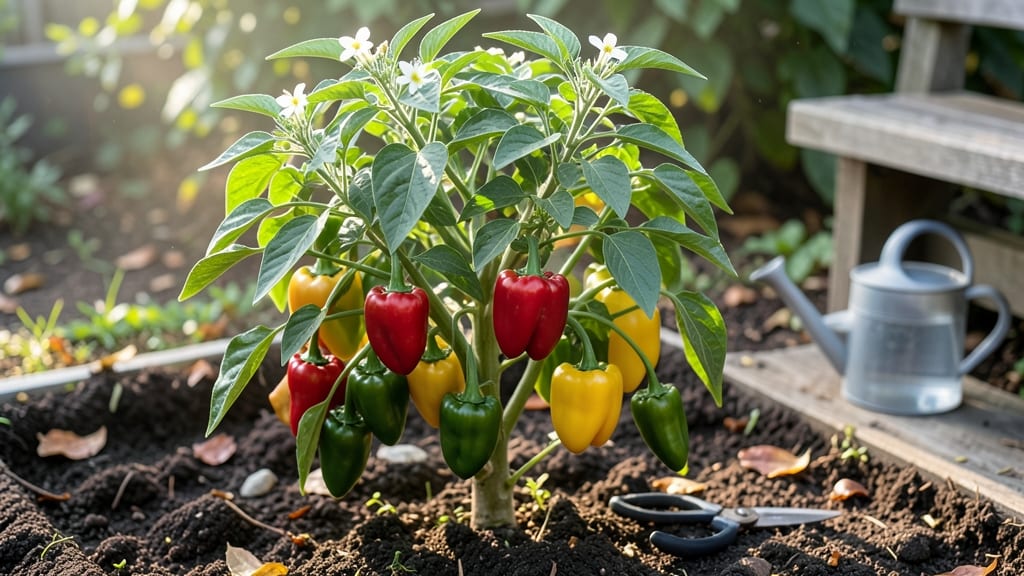
Growing Costa Rican peppers like Piquín or Chilote means unlocking bold flavors that transform any dish. 🌶️ These fiery little gems thrive in warm climates but adapt surprisingly well with the right care—even in containers for cooler zones.
My first harvest last summer proved it: a single plant produced enough peppers to fill jars for months, and the heat level was exactly what I wanted for salsas and marinades.
Start with well-draining soil mixed with compost, and plant in full sun (at least 6 hours daily). Costa Rican peppers love heat and humidity but tolerate moderate drought once established. The key is consistent moisture—1 inch per week—without soggy roots, which leads to rot.
I use drip irrigation to keep leaves dry, a trick that cuts down on fungal issues dramatically.
Harvest begins 80-90 days after planting, when peppers turn vibrant red, orange, or green depending on the variety. The earlier you pick, the more prolific the plant becomes.
Store unripe peppers in the fridge for 2 weeks or dry them for long-term use—my Chilote peppers stayed potent for months in the pantry.
For cooler climates, grow in pots and bring them indoors before frost. Companion plants like basil or cilantro deter pests, and a light mulch keeps roots warm. With these adjustments, you’ll get the same fiery harvest no matter where you garden.
📚 In This Guide
- What you need
- Instructions
- Tips and common mistakes
- Wrapping up and next steps
What you need
- ● Costa Rican peppers (fresh or dried): At least 3-5 peppers (e.g., ají dulce, ají picante, or chile habanero for heat)
- ● Organic or pesticide-free preferred for best flavor
- ● Knife: Sharp chef’s knife or serrated knife for slicing (8-10 inches)
- ● Cutting board: Sturdy, non-slip board (wood or plastic, 12x18 inches)
- ● Mixing bowl (stainless steel or glass, 1-2 quart size)
- ● Measuring spoons (for precise spice blending)
- ○ Food processor or mortar & pestle (optional but helpful for grinding)
- ● Air-tight container (for storage, 8-16 oz jar or bag)
- ● Pruning shears (for harvesting peppers from plants)
- ○ Gloves (optional—some peppers can irritate skin!)
- ● Basket or mesh bag (for transporting peppers)
- ● Food dehydrator (for drying peppers, 110°F+ setting)
- ● Blender (for making pepper pastes or sauces)
- ● Citrus juicer (if adding lime/lemon for brightness)
- ● Spice grinder (for ultra-fine pepper powders)
- ● Vacuum sealer (to extend shelf life of dried peppers)
How to grow Costa Rican peppers for maximum flavor
Here’s how I grow these vibrant peppers—packed with heat and sweetness—using simple techniques that work for any climate.
🌱 Step 1: Start Seeds Indoors 8-10 Weeks Before Last Frost
Costa Rican peppers thrive when started early, so begin seeds indoors under grow lights or in a sunny windowsill. Fill small pots with sterile seed-starting mix (never garden soil—it’s too dense) and plant 2-3 seeds per pot at a depth of ¼ inch. Press them gently into the soil so they make good contact but don’t bury too deep.
Keep the soil consistently moist by misting lightly with water—don’t drown the seeds. Cover the pots with plastic wrap or a humidity dome to trap warmth until germination, which usually happens in 7-14 days at 70-80°F. Once sprouts appear, remove the cover immediately to prevent mold. You’ll know they’re ready when first true leaves (not the tiny seed leaves) emerge.
☀️ Step 2: Provide Warmth and Light for Strong Seedlings
Costa Rican peppers need 14-16 hours of bright light daily to prevent leggy growth. If using a grow light, keep it 2-3 inches above the seedlings and raise it as they grow. Without enough light, stems stretch weak and pale, and the plants struggle to support fruit later. You’ll see strong seedlings with dark green leaves and compact spacing between them.
Keep the soil warm—65-75°F is ideal. A seedling heat mat helps if your home runs cooler. Water only when the top inch of soil feels dry, and always water at the base to avoid fungal diseases. Overwatering now leads to damping-off, where seedlings collapse overnight.
🪴 Step 3: Transplant Outdoors After All Frost Risk Has Passed
Wait until nighttime temperatures stay above 55°F before moving seedlings outside. Harden them off first by placing them in a shaded, sheltered spot for 1-2 hours the first day, then gradually increase their time outdoors over 7-10 days. This prepares them for direct sun and prevents shock.
Choose a sunny location with well-draining soil—Costa Rican peppers hate soggy roots. Plant them 12-18 inches apart in rows 18-24 inches apart to allow airflow. Dig a hole slightly deeper than the seedling’s root ball, place it in, and firm the soil gently around the base. Water deeply right after transplanting to help roots establish.
💧 Step 4: Water and Fertilize for Continuous Harvests
Water deeply once a week, aiming for 1 inch of water per week, and more during dry spells. Let the top 2 inches of soil dry out between waterings to encourage strong root growth. Mulch with 2-3 inches of organic mulch (like straw or shredded leaves) to retain moisture and keep soil cool.
Feed plants every 4-6 weeks with a balanced fertilizer (like 10-10-10) or a low-nitrogen, high-phosphorus blend to boost fruiting. You’ll notice bigger, more vibrant peppers and fewer flowers dropping off if the plants are well-fed. Avoid over-fertilizing—too much nitrogen leads to leafy growth at the expense of fruit.
✂️ Step 5: Prune and Harvest for Peak Flavor
Prune leggy or overcrowded branches to improve airflow and focus energy on fruit production. Pinch off the first few flowers if your plant is small—this encourages bushier growth. Harvest peppers when they’re firm and fully colored, usually 60-90 days after transplanting. Use pruning shears to cut stems just above a leaf node to promote more growth.
Store harvested peppers in a cool, dry place (like a paper bag in the fridge) for up to 2 weeks. For long-term storage, dry them in the sun or a dehydrator. The key to great flavor? Harvest regularly—this keeps plants producing and prevents peppers from getting too ripe and losing heat.
Tips & tricks for perfect Costa Rican pepper growth
These simple tricks will help you cultivate vibrant, flavor-packed Costa Rican peppers that stand out in any garden.
Seed Starting: I learned this the hard way after ruining three batches—never use regular garden soil for seed starting. The sterile seed-starting mix provides the perfect balance of moisture and aeration that Costa Rican pepper seeds need to germinate reliably. The ¼-inch depth is crucial too; planting too deep can cause the seeds to rot before they sprout.
Lighting Strategy: The 14-16 hours of bright light daily is non-negotiable for preventing leggy seedlings. If your windowsill doesn't get enough sunlight, invest in a basic grow light—even a simple LED bulb will work wonders. I keep mine just 2-3 inches above the seedlings and raise it as they grow. You'll notice the difference immediately in their compact, sturdy growth compared to those stretched, weak stems from inadequate light.
Temperature Management: Maintaining that 65-75°F soil temperature range during the seedling stage is what separates thriving plants from struggling ones. If your home runs cooler, a seedling heat mat is a game-changer. And here's what nobody tells you—when you see those first true leaves appear, remove the humidity dome immediately. I've seen too many batches develop mold because people forget this critical step.
Transplanting Wisdom: The 7-10 day hardening off process might seem tedious, but it's worth every minute. I've seen plants go into shock and wilt dramatically when transplanted too quickly. Start with just 1-2 hours of shade on day one, then gradually increase exposure. By day 7, your seedlings should be ready for full sun without any issues. This careful transition is what helps them establish strong roots in their permanent location.
Pro Tips for Costa Rican Pepper
- These simple tricks will help you cultivate vibrant, flavor-packed Costa Rican peppers that stand out in any garden.
- Seed Starting: I learned this the hard way after ruining three batches—never use regular garden soil for seed starting.
- Lighting Strategy: The 14-16 hours of bright light daily is non-negotiable for preventing leggy seedlings.
Frequently asked questions
Got questions about growing, harvesting, or using Costa Rican pepper? You’re not alone! Here are some of the most common queries—and their answers—to help you spice up your garden or kitchen with confidence.
What’s the best time to plant Costa Rican pepper seeds?
Plant seeds indoors 8–10 weeks before your last frost (typically February–March in most U.S. zones). Transplant seedlings outdoors after soil warms to 60°F+ (usually April–May). Costa Rican peppers thrive in hot, humid climates, so avoid early spring chills—they’re sensitive!
How spicy is Costa Rican pepper, and how can I control the heat?
Costa Rican peppers range from mild (1,000–5,000 SHU) to medium-hot (up to 20,000 SHU), depending on the variety. To mellow the heat, harvest peppers young (smaller = less capsaicin) or soak in milk for 10 minutes. For extra kick, let them ripen fully!
How long does it take for Costa Rican peppers to mature?
Expect 70–90 days from transplant to harvest for most varieties. Color changes signal ripeness: green → yellow/orange/red. Pro tip: Pick peppers in the morning for peak flavor and firmness. Overripe peppers may turn mealy or bitter.
Can I substitute Costa Rican pepper with another pepper?
Yes! For mild heat, use jalapeños or banana peppers. Need sweetness? Try bell peppers or pimiento. For bold flavor, habaneros or Thai bird’s eye peppers work—but adjust recipes, as heat levels vary wildly. Always taste-test!
What pests should I watch for, and how do I treat them?
Common pests include aphids, spider mites, and pepper weevils. Prevent issues with neem oil or insecticidal soap. For weevils, handpick eggs (tiny white specks) or use diatomaceous earth around the base. Pro tip: Rotate crops yearly to break pest cycles!
Why are my Costa Rican peppers turning yellow or dropping?
Yellowing leaves often mean overwatering or nutrient deficiency (check for soggy soil). Dropping peppers? Likely due to temperature stress (below 50°F) or inconsistent watering. Ensure 6–8 hours of sunlight daily and water deeply but infrequently (1–1.5 inches/week).
Wrapping up and next steps
Costa Rican peppers—whether fiery chilillo or sweet ají dulce—bring bold flavors to your dishes! 🌶️ From growing your own plants to mastering recipes like picadillo or salsa Lizano, you now have the tools to elevate your cooking.
Don’t let their versatility intimidate you—start small, experiment, and let your taste buds guide you!
Ready to dive in? Plant a seed, pick a pepper, and spice up your next meal! 🌱🔥