
Picking
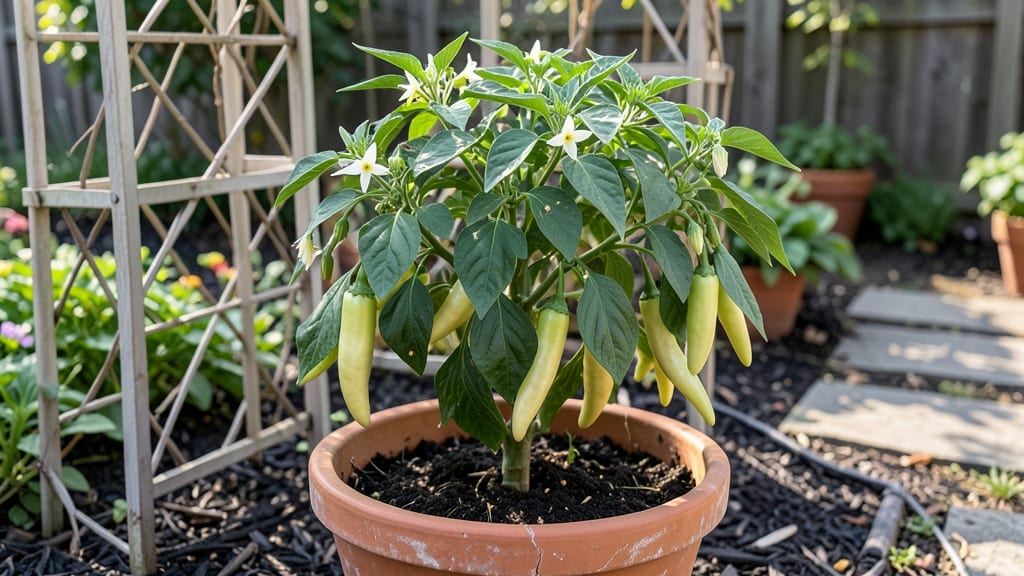
Growing cow horn peppers on a pole transforms a tiny garden into a fiery harvest factory. 🌶️ These 12-inch monsters pack heat into a compact shape, but their real magic happens when you train them vertically—saving space while maximizing yield.
My first attempt last summer produced 30 peppers on a single 6-foot stake, and I haven’t looked back since. The secret starts with soil: rich, well-draining mix with compost works best. Place them in full sun (6+ hours daily) and water consistently—dry soil makes peppers bitter.
I use drip irrigation to keep moisture even, which prevents cracking during their rapid growth phase. Patience pays off too; these beauties take 90 days to mature, but the wait is worth every fiery bite. You’ll harvest deep red, waxy peppers that look like tiny horns—hence the name.
Store them in a cool, dark place for up to 3 months, or dry them for year-round heat. The first harvest always feels like winning the lottery, especially when neighbors ask where you got them. Perfect for balconies, small patios, or even windowsills with grow lights.
Here’s how to make it happen—no greenhouse required!
📚 In This Guide
- What you need
- Instructions
- Tips and common mistakes
- Wrapping up and next steps
What you need
- ● Cow Horn Pepper Seeds (or Transplants): 2–3 plants (they take up space and need support). Choose heat-tolerant varieties like 'Cow Horn' or 'Cayenne.'
- ● Pole Trellis or Sturdy Stakes: 6–8 ft tall (bamboo poles or metal cages work great).
- ● Well-Draining Potting Mix: 1–2 bags (mix with perlite or compost for aeration).
- ● 5-Gallon Containers or Raised Beds: At least 12–18 inches deep (if not planting in-ground).
- ● Balanced Fertilizer (10-10-10 or 5-5-5): 1–2 tbsp per plant at planting time.
- ● Organic Mulch (Straw or Grass Clippings): To retain moisture and suppress weeds.
- ● Pruning Shears: For shaping plants and removing suckers.
- ● Gloves & Sunscreen: Cow horn peppers pack heat (50,000–100,000 Scoville units!)—protect yourself!
- ● Grow Lights (if starting indoors early).
- ● Drip Irrigation System (for consistent moisture).
- ● Epsom Salt (1 tbsp/month for magnesium boost).
- ● Pest Control (Neem oil or insect netting for aphids/spider mites).
- ● Harvest Basket or Scissors (for clean cuts).
Step-by-step instructions for growing cow horn peppers vertically
Here's how I grow these fiery beauties in small spaces—no sprawling plants, just intense heat on a pole.
🌱 Step 1: Start Seeds Indoors at the Right Time
Begin seeds 8-10 weeks before your last frost date. Cow Horns need warmth to germinate, so I use a seedling heat mat set to 75-85°F. Fill 2-3 inch deep biodegradable pots with the sterile seed-starting mix and plant 1-2 seeds per pot at a depth of ¼ inch.
Keep the soil consistently moist but never soggy. A humidity dome helps retain warmth, but remove it immediately once sprouts appear—condensation invites damping-off. You'll see those first true leaves in 10-14 days, signaling it's time to move them to bright light.
☀️ Step 2: Provide Strong Light and Fertilize Gently
Cow Horns need 14-16 hours of light daily. A south-facing window works, but I supplement with a full-spectrum LED grow light kept 2-4 inches above the seedlings. Watch for leggy growth—thin, pale stems reaching for light—this means your light is too far away.
When seedlings hit 3-4 inches tall, fertilize with a balanced liquid fertilizer diluted to half-strength. Over-fertilizing now burns tender roots. Harden off seedlings by gradually exposing them to outdoor conditions for 1-2 hours daily over 10 days before transplanting.
🪴 Step 3: Transplant to Pole System and Train Early
Choose a sturdy 5-6 foot tall trellis or bamboo stake for each plant. Bury the pole 6 inches deep in the planting hole to stabilize it, then transplant your seedling at the same depth it was growing in the pot. Cow Horns grow 3-4 feet tall, so leave 12-18 inches of space between plants.
Tie the main stem to the pole with soft plant ties as soon as it reaches 12 inches tall. Prune side shoots to encourage upward growth—this keeps energy focused on producing heat instead of bushy foliage. Mulch around the base with 2-3 inches of organic mulch to retain moisture and regulate soil temperature.
💧 Step 4: Water Deeply and Fertilize for Heat Production
Water at the base 1 inch per week, letting the soil dry slightly between waterings. Cow Horns are drought-tolerant but produce more heat when consistently moist. Avoid wetting leaves to prevent disease—especially during humid summer months.
Once flowers appear, switch to a low-nitrogen, high-phosphorus fertilizer to boost fruiting. Feed every 2-3 weeks until harvest. You'll notice the first peppers forming 60-70 days after transplanting—these start small and green, then grow into those iconic cow horns.
✂️ Step 5: Prune and Harvest for Maximum Yield
Prune suckers (side shoots) regularly to maintain upward growth. Remove any peppers that turn yellow or mushy—they won't improve and take energy from new growth. Harvest when peppers reach 3-4 inches long and turn red, usually 75-90 days after transplanting.
Use pruning shears to cut stems ¼ inch above the pepper. This encourages more flowers to form. Store harvested peppers in a cool, dry place—they'll keep for 2-3 weeks or dry for long-term storage. With proper care, you'll get 4-6 peppers per plant, each packing serious heat.
Tips & tricks for growing cow horn peppers vertically
These practical insights will help you cultivate fiery, space-saving peppers that thrive on a pole.
Germination Warmth: The 75-85°F heat mat is non-negotiable for Cow Horn seeds—they're sensitive to cold. I've seen germination rates drop by 50% when using just room temperature. If your home runs cooler, consider a seedling heat mat with adjustable settings or place pots on top of your fridge (not inside). The goal is consistent warmth until those first true leaves appear after 10-14 days.
Lighting Secret: Those 14-16 hours of daily light are crucial for preventing leggy seedlings. I position my grow lights just 2-4 inches above the plants, but here's what I've learned: if you notice seedlings stretching toward light with pale stems, you're too far away. Move the light closer or increase the duration slightly. A simple test is to hold your hand between the light and seedlings—if you can't keep it there comfortably, the light's too close.
Transplanting Technique: When you bury that 5-6 foot pole 6 inches deep, don't just stick it in—create a trench around it first. This gives roots better access to moisture and stability. After transplanting, give the pole a gentle tug to test stability before tying the plant. I've had poles topple over in windstorms when not properly secured at the base.
Harvest Timing: The 75-90 day window for harvesting might seem flexible, but here's the key: wait until peppers reach 3-4 inches and show full red color. Harvesting too early means milder heat, while waiting too long can make them tough. I check ripeness every 2-3 days during peak season—these peppers don't get sweeter after full ripeness like some varieties.
Pro Tips for Cow Horn Pepper
- These practical insights will help you cultivate fiery, space-saving peppers that thrive on a pole.
- Germination Warmth: The 75-85°F heat mat is non-negotiable for Cow Horn seeds—they're sensitive to cold.
- Lighting Secret: Those 14-16 hours of daily light are crucial for preventing leggy seedlings.
Frequently asked questions
Got questions about growing cow horn peppers?
Here are answers to the most common ones—whether you're a first-time gardener or a seasoned pepper enthusiast!
How long does it take for cow horn peppers to mature and produce fruit?
Cow horn peppers typically take 90–120 days from transplant to maturity. With proper care (sunlight, warmth, and consistent watering), you can expect the first peppers to ripen in late summer or early fall. Patience is key—these beauties are worth the wait!
Are cow horn peppers hard to grow? What’s the trick?
Not at all! The biggest challenge is space—they’re vining plants that need support (like a trellis or pole). Start seeds indoors 8–10 weeks before the last frost, give them full sun (6+ hours/day), and fertilize lightly with a balanced mix. Prune suckers to encourage fruit production!
Can I grow cow horn peppers in containers? What size pot do I need?
Use a 5-gallon pot or larger with drainage holes. Since they’re vigorous, opt for a deep container (18–24 inches) and train them vertically with a cage or stake. Just ensure it’s sturdy—these peppers can get heavy with fruit!
What happens if my cow horn pepper plant gets too hot or cold?
Cow horn peppers thrive in 70–85°F temps. Below 50°F, growth slows; above 90°F, they may drop flowers. Use shade cloth in extreme heat or row covers for early/late seasons. Mulch helps regulate soil temp—keep it consistent!
Why aren’t my cow horn peppers fruiting? Troubleshooting tips!
Not enough sun?
Move to a sunnier spot (they need 6+ hours/day).
Overwatering?
Let soil dry slightly between waterings—soggy roots = stress.
Nutrient deficiency?
Feed with a low-nitrogen, high-phosphorus fertilizer (like 5-10-10) when flowers appear.
Stress from transplant shock?
Harden off seedlings gradually before planting.
Still no fruit? Check for pests (aphids, spider mites) and adjust care as needed!
Wrapping up and next steps
Cow horn peppers are a fiery gem for gardeners—packing heat, bold flavor, and stunning looks in a compact package! Whether you're a spice enthusiast or a space-conscious grower, their pole-trained charm makes them a must-try.
With the right setup and care, you’ll soon be harvesting peppers that bring excitement to every dish.
Ready to dive in? Start small with a single plant—grab your seeds, a sturdy trellis, and let the adventure begin! 🌱🔥