
Companion Plants
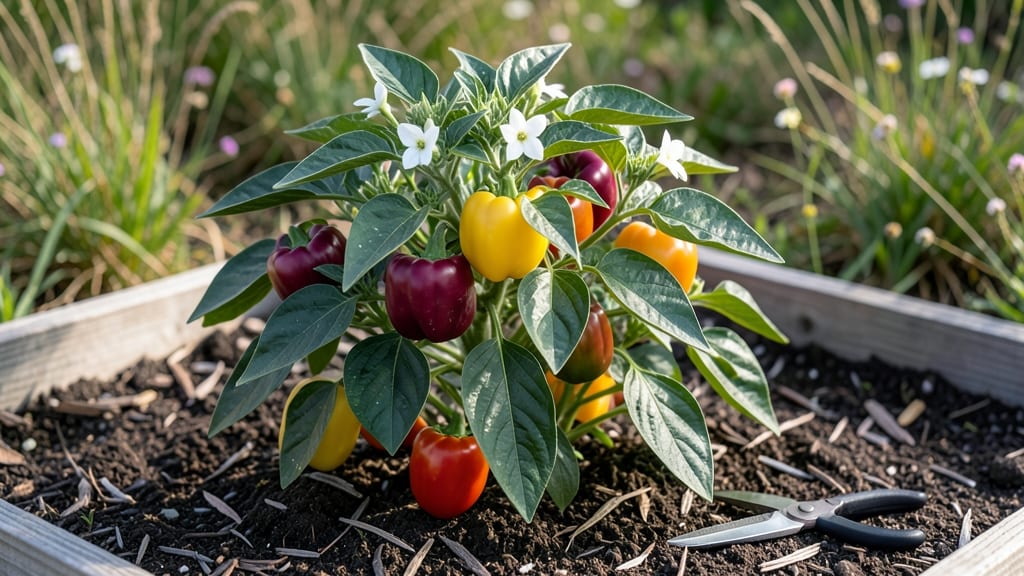
Decorative hot pepper plants turn your garden into a vibrant living art piece—no cooking skills required. 🌿 I fell for these plants after seeing their deep purple, chartreuse, and fiery red foliage in a neighbor’s container garden, and now they’re the star of my edible landscape.
The best varieties for color aren’t just pretty—they’re disease-resistant and packed with heat. Try ‘Black Pearl’ for glossy purple leaves or ‘Lemon Drop’ for bright yellow fruit that pops against dark green. They thrive in containers or borders, and their compact growth makes them perfect for small spaces.
You’ll love how they pair with silver foliage like dusty miller or purple basil, creating striking contrasts. Even the peppers add texture—some stay small and round, while others grow long and twisted. The best part? You can harvest a few for salsa or hot sauce without sacrificing their decorative value.
These plants shine all season long, from early summer blooms to winter’s last frost. Whether you’re designing a pollinator-friendly border or a bold container display, they’re the easy way to add drama without the fuss. Let’s get planting!
📚 In This Guide
- What you need
- Instructions
- Tips and common mistakes
- Wrapping up and next steps
What you need
- ● Decorative hot pepper plants: Choose varieties like Capsicum annuum (e.g., 'Apache,' 'Fish Pepper,' or 'Shishito') or Capsicum frutescens (e.g., 'Tabasco' or 'Habanero'). Start with 3–5 plants for a striking display.
- ● Well-draining potting mix: A blend of 60% peat or coco coir, 20% perlite, and 20% compost (or a high-quality cactus/succulent mix). Avoid heavy garden soil—peppers hate soggy roots! 🚫💦
- ● Containers or garden bed: Containers: 5–7 gallon pots with drainage holes (one per plant). Terracotta or fabric pots work best.
- ● Garden bed: Full sun (6+ hours/day) and loamy, slightly acidic soil (pH 6.0–6.8). Amend clay soil with compost.
- ● Fertilizer: A balanced, water-soluble fertilizer (10-10-10 or 20-20-20) or organic options like fish emulsion or compost tea. Use every 4–6 weeks during growing season.
- ● Hand trowel or small shovel for planting.
- ● Watering can or hose with a gentle spray nozzle (peppers dislike wet leaves).
- ● Pruning shears (sterilized with rubbing alcohol) for trimming.
- ○ Gloves (optional but helpful—some peppers pack a punch! 🌶️😵).
- ○ Support stakes or cages (optional for taller varieties like 'Fish Pepper').
- ● Temperature: Ideal range is 70–85°F (21–29°C). Protect from frost (below 50°F/10°C kills them). Use a greenhouse or cold frame in cooler climates.
- ● Light: Full sun (6+ hours/day) is a must. South-facing windows or grow lights work indoors.
- ● Humidity: Aim for 40–60%. Use a humidifier or pebble tray if air is dry.
- ● Decorative mulch (e.g., black plastic or straw) to retain moisture and add visual contrast.
- ● Colorful pot labels to highlight your pepper varieties.
- ● Garden markers for tracking heat levels (e.g., 'Mild,' 'Medium,' 'Fiery' 🔥).
- ● Companion plants like basil, marigolds, or nasturtiums to deter pests and boost aesthetics.
How to grow decorative hot pepper plants for stunning year-round interest
Here's how I transform fiery peppers into showstopping foliage—colorful, textured, and built to last beyond harvest.
🌱 Step 1: Select Varieties with Eye-Catching Traits
Skip the mild bell peppers and choose varieties bred for ornamental value. 'Black Pearl' delivers deep purple-black foliage that contrasts beautifully with its fiery red peppers. 'Purple Flash' offers chartreuse leaves that turn purple with cooler temps, while 'Jalapeño M' stays compact with glossy green leaves perfect for containers. I always pick slow-to-bolt varieties—they'll keep producing color and peppers all season long.
Start with 4 plants to create visual impact. You'll see their true colors emerge as they mature, so don't judge by the seedlings. The foliage color intensifies as temperatures drop, making them perfect for fall displays too. I plant mine 18 inches apart in full sun—they need room to develop their boldest colors.
☀️ Step 2: Plant in Well-Draining Soil with Full Sun Exposure
Hot peppers thrive in 6-8 hours of direct sun daily, but their foliage colors peak with full sun exposure (8+ hours). Amend your garden soil with 2 inches of compost before planting to ensure good drainage—they hate soggy roots. I mix in a handful of perlite to prevent compaction, which is especially important in containers where water pools more easily.
Plant at the same depth as their nursery pots. Press the soil gently around the roots to eliminate air pockets, then water deeply until moisture reaches 6 inches down. You'll know you've done it right when the soil surface looks slightly damp but not glistening. This prevents both drought stress and root rot, both of which dull their vibrant colors.
💧 Step 3: Water Consistently and Fertilize for Lush Growth
Keep the soil evenly moist but never soggy—peppers wilt dramatically when thirsty, but their leaves also lose their crisp texture. I water at the base every 2-3 days until the top 2 inches of soil feel dry. Mulch with 2 inches of shredded bark to retain moisture and prevent soil-borne diseases that can discolor leaves.
Feed every 4-6 weeks with a balanced 10-10-10 fertilizer to maintain their vibrant foliage. I switch to a low-nitrogen formula (5-10-10) once peppers start forming to prevent leafy growth at the expense of color. The result? Plants that stay lush, colorful, and productive all season.
✂️ Step 4: Prune for Shape and Encourage Continuous Color
Pinch off the first few flower clusters to delay fruiting and encourage bushier growth with more colorful foliage. I remove any leggy stems that grow beyond the plant's natural shape, redirecting energy to the center where colors shine brightest. This is where decorative peppers differ from culinary varieties—we prioritize foliage over fruit production.
Deadhead spent flowers regularly to prevent energy drain. You'll see new growth emerge within 7-10 days of pruning, and the leaves will regain their crisp texture. For container plants, I prune more aggressively to maintain compact shapes. The key is to never remove more than 1/3 of the plant at once—this keeps the foliage vibrant without shocking the plant.
🪴 Step 5: Extend the Season with Winter Care
Decorative peppers shine in fall, but with the right care, they can provide winter interest too. Once temperatures drop below 50°F, move container plants to a sheltered spot or bring them indoors near a sunny window. I wrap the pots in bubble wrap to protect roots from cold drafts while still allowing light to reach the foliage.
Reduce watering to every 10-14 days and stop fertilizing entirely. The leaves will maintain their color longer if you keep them slightly dry—just enough to prevent wilting. In spring, prune back any damaged growth and return them to full sun. You'll be rewarded with fresh new foliage that picks up where fall left off.
Tips & tricks for perfect decorative hot pepper plants
Want your decorative hot peppers to be the star of your garden? These game-changing tips will help you cultivate foliage so vibrant it'll stop neighbors in their tracks.
Variety Matters: The key to stunning foliage lies in choosing the right varieties. 'Black Pearl' and 'Purple Flash' are my top picks for their dramatic color shifts—especially when temperatures dip. Plant them 18 inches apart to give their bold leaves room to shine. I've learned that slow-to-bolt varieties maintain their color longer, so skip the fast-growing culinary peppers if you want year-round drama.
Sunlight Secret: Those 8+ hours of full sun aren't just recommended—they're essential for peak color development. If your garden gets less light, consider container growing where you can move plants to sunnier spots. I've noticed the most intense foliage colors appear when plants receive morning sun and afternoon shade in hot climates.
Pruning Pro Tip: When you're pinching off those first flower clusters in Step 4, think of it as redirecting the plant's energy. The goal is bushier growth with more vibrant foliage, not fruit production. I prune leggy stems aggressively in containers to maintain compact shapes, but never remove more than 1/3 of the plant at once—this keeps the foliage vibrant without shocking the plant.
Winter Wonder: Don't let your decorative peppers fade into winter forgetfulness! Once temperatures drop below 50°F, move container plants to sheltered spots or indoors near sunny windows. I wrap pots in bubble wrap to protect roots while still allowing light to reach the leaves. This simple trick keeps their colors vibrant through the colder months.
Pro Tips for Decorative Hot Pepper Plants
- Want your decorative hot peppers to be the star of your garden?
- Variety Matters: The key to stunning foliage lies in choosing the right varieties.
- Sunlight Secret: Those 8+ hours of full sun aren't just recommended—they're essential for peak color development.
Frequently asked questions
Got questions about growing decorative hot pepper plants?
You’re not alone! Here are some of the most common concerns—plus quick, practical answers to keep your garden fiery (and fabulous).
Are decorative hot peppers safe to grow near edible vegetables?
Yes! Many decorative peppers (like Capsicum annuum varieties) are non-toxic and even beneficial. They repel pests like aphids and attract pollinators. Just avoid Capsicum frutescens or chinense types if you’re sensitive to capsaicin—opt for milder ornamentals like ‘Black Pearl’ or ‘Jester Mix’.
When is the best time to plant decorative hot peppers?
Start seeds indoors 8–10 weeks before your last frost (early spring). Transplant outdoors after soil temps hit 60°F+—they’re frost-sensitive! In warm climates, direct-sow in late winter. Pro tip: Use black plastic mulch to warm soil faster ().
Why are my pepper leaves turning yellow or dropping?
Yellow leaves often signal overwatering or nutrient deficiency. Let soil dry slightly between waterings (stick your finger in—top 1–2 inches should be dry). Boost potassium with compost tea or a balanced fertilizer (20-20-20). Pests? Check for spider mites on undersides of leaves ().
Can I grow decorative hot peppers in containers?
Use 5-gallon pots or larger with well-draining soil (add perlite or sand). Ensure pots have drainage holes and place them in full sun (6+ hours/day). Dwarf varieties like ‘Tiny Tim’ or ‘Apache’ thrive in containers. Bonus: Move pots indoors before frost ().
What’s a low-maintenance alternative to traditional hot peppers?
Try ‘Lunchbox’ peppers—compact, colorful, and self-pollinating. Or go for ‘Shishito’ varieties (mild but stunning) or ‘Fish Pepper’ (Capsicum frutescens) for unique texture. Herb pairings: Basil or oregano complement their growth ().
Do decorative peppers produce heat like jalapeños?
Not always! Many ornamentals are bred for color and texture, not spice. Check labels—some (like ‘Purple Flash’) are mild to zero Scoville, while others (e.g., ‘Carolina Reaper’ cousins) pack heat. Test carefully: Wear gloves when handling!
Wrapping up and next steps
Decorative hot pepper plants are a game-changer for adding year-round drama to your garden with their vibrant colors and striking textures. Whether you're a seasoned gardener or just starting out, these bold beauties bring excitement and personality to any space—and they’re easier to grow than you think! 🌶️✨
Ready to elevate your garden? Start by picking a few varieties that catch your eye, gather your supplies, and dive in with confidence. Before you know it, you’ll be the neighborhood’s go-to expert for show-stopping, edible art—and maybe even a few spicy surprises for your kitchen!