
Picking
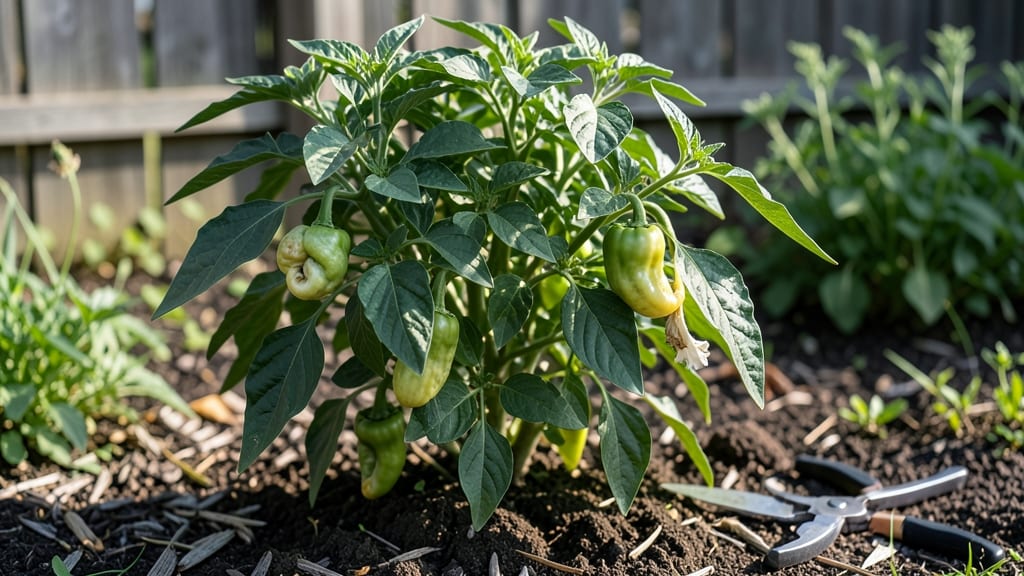
Your jalapeños are growing but looking more like alien pods than peppers. 🌶️ Deformed jalapeños—whether twisted, blistered, or stunted—usually point to one of five common issues, and fixing them starts with identifying the exact problem.
I’ve seen everything from heat stress to viral infections turn perfect peppers into garden curiosities, but the good news is most fixes are simple once you know what to look for.
The most common culprits are temperature swings (especially above 90°F), uneven watering (soil too dry or too soggy), or nutrient imbalances (too much nitrogen, not enough calcium). Viral infections and physical damage from pests or wind can also warp peppers mid-growth.
The key is checking the plant’s overall health—yellowing leaves, spots, or wilting can narrow it down fast.
Once you pinpoint the issue, corrective action is straightforward: adjust watering to keep soil consistently moist (not drenched), provide shade cloth for heat stress, or add a balanced fertilizer like 10-10-10.
For viral infections, remove affected plants immediately to prevent spread. Most peppers recover within 2-3 weeks of fixing the root cause, and the remaining fruit will straighten out and ripen normally.
Prevention is easier than fixing: mulch heavily to stabilize soil moisture, prune for airflow to reduce disease risk, and plant in full sun with afternoon shade in hot climates. If you’re growing in containers, ensure pots are at least 12 inches deep—shallow roots stress plants and lead to deformities.
With these adjustments, your next harvest will be uniform, fiery, and ready for the kitchen.
The Hidden Causes Behind Misshapen Peppers
If your jalapeno peppers are growing twisted, lopsided, or otherwise deformed, the culprit is usually one (or more) of these common factors. Understanding the science behind these issues helps you correct them before your harvest is ruined.
Let’s break down the key reasons why your peppers might be turning out less than perfect—and how to fix them.
Not all jalapeno deformities are caused by poor growing conditions. Some varieties naturally produce irregular shapes due to their genetics. For example:
- Hybridization: If you’re growing heirloom or open-pollinated jalapenos, cross-pollination with other pepper varieties (like serranos or habaneros) can lead to unpredictable shapes and sizes. Jalapenos are self-pollinating, but bees and wind can still mix things up.
- Seed Source Issues: Low-quality or old seeds may not grow true to type, resulting in peppers that look nothing like the packet promised. Always buy seeds from reputable suppliers or save seeds from healthy, uniform plants.
- Dwarf or Bush Varieties: Some jalapeno cultivars are bred to be compact, which can sometimes lead to stunted or deformed fruit if not given enough space or support.
💡 Pro Tip: If you suspect genetics are to blame, try a different jalapeno variety known for consistent shape, like ‘Early Jalapeño’ or ‘Carolina Reaper’ (for heat lovers). Or, grow peppers in isolation to prevent cross-pollination.
Water is the lifeblood of your pepper plants, and inconsistent moisture is a leading cause of deformities. Here’s how it goes wrong:
- Drought Stress: When soil dries out completely between waterings, peppers may develop blossom-end rot (a sunken, leathery bottom) or grow unevenly as they struggle to absorb nutrients. Jalapenos need 1–1.5 inches of water per week, especially during fruiting.
- Overwatering: Soggy soil cuts off oxygen roots need, leading to waterlogged peppers that swell abnormally or split. Poor drainage or heavy clay soil worsens this.
- Uneven Watering: Drip irrigation or hand-watering that misses certain areas can cause peppers on one side of the plant to grow larger or more deformed than others.
🌡️ Actionable Fix:
- Use mulch (straw or grass clippings) to retain moisture and regulate soil temperature.
- Water deeply and consistently, aiming for the soil (not the leaves) early in the day to prevent fungal issues.
- Amend heavy clay soil with compost or perlite to improve drainage.
Jalapenos thrive in warm weather, but too much heat—especially late in the season—can warp their growth. Here’s how:
- Heat Stress: Temperatures above 90°F (32°C) can cause peppers to stop growing or develop sunken, puckered skin. This happens when the plant’s metabolic processes slow down.
- Sun Scorch: Direct, intense sunlight (especially in dry climates) can bleach or blister pepper skins, leading to deformed, discolored fruit. Young peppers are most vulnerable.
- Poor Airflow: Crowded plants or those grown in greenhouses without ventilation trap heat, increasing stress and deformities.
🌿 Shade Solution:
- Provide 30–50% shade cloth during peak afternoon heat (especially in zones 9–11).
- Space plants 18–24 inches apart for better airflow.
- Water early in the morning to cool the soil and reduce evaporation.
Peppers are heavy feeders, and a lack (or excess) of key nutrients can lead to bizarre growth patterns. Watch for these red flags:
| Nutrient Issue | Deformity Signs | Fix It With |
|---|---|---|
| ❌ Nitrogen (N) Deficiency | Small, stunted peppers; pale or yellowing leaves | 💡 Balanced fertilizer (like 10-10-10) or compost tea |
| ❌ Calcium (Ca) Deficiency | Blossom-end rot (dark, sunken bottoms); cracked peppers | 🌡️ Crushed eggshells or calcium nitrate in the soil |
| ❌ Phosphorus (P) Deficiency | Purple-tinged leaves; peppers grow but stay small and hard | 💪 Bone meal or rock phosphate worked into the soil |
| ❌ Potassium (K) Deficiency | Weak stems; peppers develop soft, mushy spots or split easily | 🍠 Banana peels or greensand (potassium-rich amendments) |
| ⚠️ Too Much Fertilizer | Peppers grow too fast, leading to cracking or uneven shapes; leaf burn | ✨ Flush soil with water and reduce fertilizer by half |
🎯 Best Practice: Test your soil before planting (pH should be 6.0–7.0 for peppers). Side-dress with compost or a low-nitrogen fertilizer (like 5-10-10) every 4–6 weeks during fruiting.
Physical damage from pests or pathogens can twist peppers mid-growth. Common culprits include:
- Peppers Maggots: Larvae burrow into peppers, causing swollen, malformed fruit or holes. Adult flies lay eggs near the base of plants.
- Aphids or Spider Mites: These sap-suckers weaken plants, leading to stunted, curled, or deformed peppers. Look for sticky residue (honeydew) on leaves.
- Fungal Infections (e.g., Alternaria or Anthracnose): Dark spots, lesions, or puckered skin on peppers can distort their shape. Humid conditions worsen these issues.
- Birds or Squirrels: They may peck at young peppers, causing uneven growth or scarring.
🔥 Pest Control Tips:
- Use row covers early in the season to block pests.
- Spray plants with
Fixing Twisted Peppers for Perfect Harvests
Now that you know why your jalapeños might be growing wonky, let’s tackle the fixes—practical, step-by-step solutions to rescue your crop and prevent future deformities. Whether your peppers are curling, splitting, or growing lopsided, these fixes will help you grow straighter, hotter, and more flavorful peppers.
If your jalapeño plants are competing for sunlight, water, and nutrients, they’ll start growing deformed as they stretch for resources.
How to Fix It:
- 🔪 Prune aggressively – Remove weaker stems, leaving only the strongest 2-3 per plant.
- 📏 Space them properly – Give each plant 18-24 inches of space (if growing in rows, space rows 3 feet apart).
- 🌿 Use trellises – If growing vertically, train vines upward to improve airflow and sunlight exposure.
Prevention Tip: 💡 Start with fewer seeds! Overplanting is a common mistake—better to have fewer healthy plants than a crowded mess.
Water stress (either drought or soggy soil) causes peppers to swell unevenly, leading to splits and odd shapes.
How to Fix It:
- 💦 Water deeply but infrequently – Aim for 1-1.5 inches per week, letting the top inch of soil dry out between waterings.
- 🌡️ Mulch to retain moisture – Use straw or shredded leaves to keep soil temps stable and reduce evaporation.
- ⚠️ Avoid wet foliage – Water at the base (not overhead) to prevent fungal diseases that weaken plants.
Prevention Tip: ✨ Use a moisture meter—if the soil is bone-dry or waterlogged, adjust immediately.
Temperature swings cause peppers to grow erratically—too hot, and they’ll scorch; too cold, and they’ll stop developing properly.
How to Fix It:
- 🏠 Provide shade cloth (30-50%) if temps exceed 90°F (32°C).
- 🔥 Use row covers in early spring or late fall to protect from frost.
- 🌿 Move containers if growing in pots—relocate to a sheltered spot if needed.
Prevention Tip: 🎯 Choose heat-tolerant varieties like ‘Numex Twilight’ or ‘Carolina Reaper’ if you live in a hot climate.
Nutrient deficiencies (or excesses) lead to stunted, misshapen growth. Jalapeños need balanced NPK (nitrogen, phosphorus, potassium).
How to Fix It:
- 🌿 Test your soil – A simple DIY test kit (or lab test) reveals deficiencies.
- 💪 Fertilize mid-season – Use a balanced 10-10-10 or tomato-specific fertilizer every 3-4 weeks.
- 🥬 Add compost – Mix in aged compost or worm castings for slow-release nutrients.
Prevention Tip: 🔥 Avoid over-fertilizing with nitrogen—too much greenery, too little fruit!
Bugs (like aphids or hornworms) and diseases (like bacterial spot) can warp peppers as they feed or infect the plant.
How to Fix It:
- 🐜 Handpick pests – Check leaves daily and squish or drop pests in soapy water.
- 💦 Spray neem oil or insecticidal soap for soft-bodied insects.
- 🌿 Rotate crops – Don’t plant peppers in the same spot yearly to break disease cycles.
Prevention Tip: 💡 Encourage beneficial insects—plant marigolds or basil nearby to deter pests naturally.
If your peppers are already deformed but still edible, prune the worst spots and use them in recipes where shape doesn’t matter (like sauces or salsas).
How to Fix It:
- 🔪 Trim damaged tips – Cut off severely curled or split sections.
- 🍳 Use in cooking – Deformed peppers still pack heat! Blend into hot sauces, chutneys, or pickles.
Prevention Tip: ✨ Harvest early—smaller, firmer peppers are less likely to deform as they grow.
Final Thought: With these fixes, your next jalapeño harvest will be straight, spicy, and perfect—ready for your boldest recipes! 🌶️🔥
Frequently asked questions
Can I still use deformed jalapeños in cooking?
Deformed jalapeños are still perfectly edible and often pack even more flavor. Use them in sauces, salsas, or pickles where shape doesn't matter. Just trim off severely damaged sections before cooking. The heat level remains the same—only the appearance changes!
Why are my jalapeños twisting but the leaves look healthy?
Healthy leaves with twisted peppers usually point to nutrient imbalances or temperature stress. Check for calcium deficiency (blossom-end rot) or phosphorus issues (purple-tinged leaves). If temps exceed 90°F (32°C), provide afternoon shade—peppers grow erratically when overheated.
How do I prevent cross-pollination between jalapeños and other peppers?
Isolate your jalapeños by planting them 500+ feet from other pepper varieties or use row covers during flowering. For container growers, keep plants indoors during peak pollination hours (10 AM–2 PM). If you save seeds, bag flowers before they open to maintain purity.
Are deformed jalapeños safe to eat if they have holes?
Only eat peppers with small, superficial holes from pests like aphids. Discard any with large holes, soft spots, or signs of rot—these indicate bacterial/fungal infections. For minor damage, wash thoroughly and use in cooked dishes where texture won't matter.
Will my jalapeños straighten out if I fix the problem now?
Peppers already growing won't change shape, but new fruit will improve within 2-3 weeks of correcting issues. Focus on fixing watering, nutrients, and temperature. For existing deformed peppers, harvest early—they'll be firmer and less likely to split further.