
Vegetables
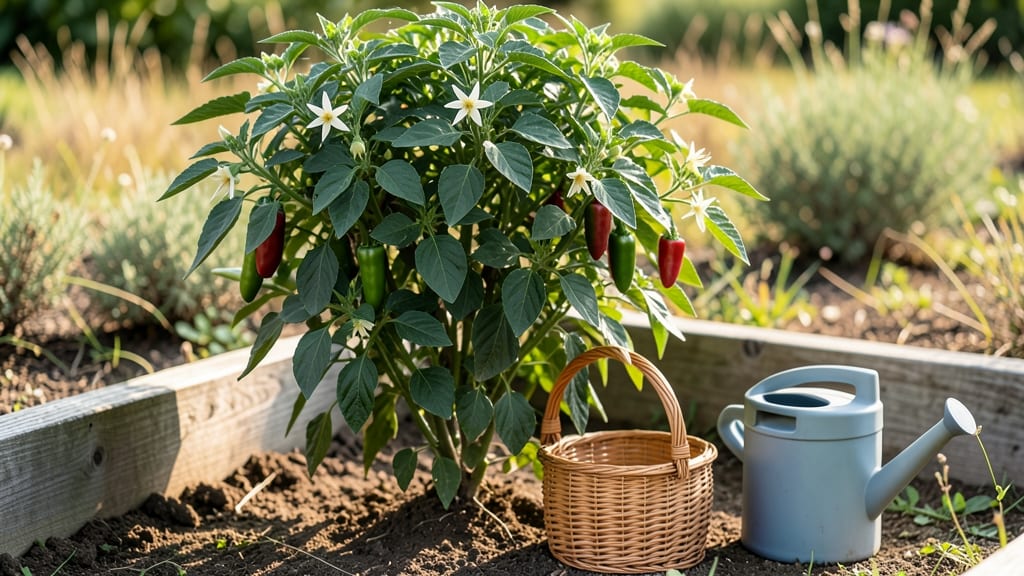
Dishes with jalapeño peppers transform everything from tacos to margaritas with their signature heat and vibrant flavor. Whether you roast them for smoky depth, pickle them for tangy crunch, or stuff them with cheese for a spicy kick, these peppers bring bold character to any meal.
Jalapeños aren’t just about heat—they add layers of flavor that elevate dishes in unexpected ways. 🌶️ Their capsaicin content creates that signature spice, but their aromatic compounds also bring sweetness and earthiness when roasted or pickled.
For example, charring jalapeños on the grill intensifies their smoky notes, perfect for salsas or grilled meats, while pickling them adds a tangy brightness that cuts through rich flavors in margaritas or tacos.
The key is balancing their heat with complementary ingredients like cream, cheese, or citrus to create dishes that are exciting but not overwhelming.
Beyond the classic stuffed jalapeños, you can experiment with jalapeño-infused oils for drizzling over pasta or blending them into marinades for grilled chicken. The versatility of jalapeños means they work in everything from quick weeknight dinners to showstopping appetizers.
Start with fresh jalapeños for a bright kick, or try dried ones for a deeper, more complex flavor profile in stews or chili.
💡 In This Article
- How Jalapeño Peppers Enhance Dishes Through Heat and Aroma
- Top 5 Versatile Jalapeño Pepper Recipes for Home Cooks
How jalapeño peppers enhance dishes through heat and aroma
Jalapeños pack their punch thanks to capsaicin, the compound responsible for their signature heat, which registers between 2,500-8,000 Scoville Heat Units (SHU). For comparison, that's roughly 10-40 times hotter than a bell pepper (0 SHU) but only a fraction of the intensity of a habanero (100,000-350,000 SHU).
The heat level varies dramatically based on ripeness—green jalapeños are hotter because they're harvested earlier, while fully ripened red jalapeños develop sweeter, fruitier notes as their capsaicin content converts to sugars. 🌶️
Roasting jalapeños transforms their flavor profile by caramelizing natural sugars and creating smoky compounds through the Maillard reaction. When you char them over an open flame or grill at 400-450°F, the skin darkens and the flesh softens, releasing aromatic oils that add depth to dishes like salsas or tacos.
Pickling, on the other hand, preserves the jalapeño's crisp texture while introducing tangy acidity from vinegar and sweetness from sugar—ideal for balancing rich flavors in margaritas or as a topping for sandwiches.
The aroma comes from a complex mix of volatile compounds like 2-methoxy-3-isobutylpyrazine, which gives jalapeños their earthy, grassy notes, and linalool, contributing floral undertones.
These aromatics peak when the peppers are fresh but mellow slightly when cooked, making them perfect for adding brightness to creamy sauces or grilled proteins. For example, blending pickled jalapeños into a crema sauce adds a bright, tangy contrast to the richness of mole or enchiladas.
Fresh jalapeños bring a sharp, slightly bitter heat that works beautifully in ceviche or gazpacho, where their acidity cuts through fish and tomatoes. Meanwhile, dried jalapeños develop a deeper, almost nutty complexity—think of their use in chipotle powder or adobo sauce.
The key to balancing their heat lies in pairing them with cooling ingredients like dairy (cheese, yogurt, sour cream) or citrus (lime, lemon), which neutralize capsaicin's burn while enhancing their natural sweetness.
Consider this science-backed tip: When you remove the membranes and seeds from a jalapeño, you're eliminating 90% of its capsaicin, which is concentrated in those white pithy areas. This simple step lets you control the heat level precisely—perfect for dishes where you want the jalapeño's flavor without overwhelming spice.
For instance, stuffing jalapeños with cheese and baking them at 375°F for 15-20 minutes creates a creamy, melty center with just a hint of heat on the edges.
What most people don't realize is how jalapeños' heat evolves during cooking. Raw jalapeños deliver an immediate, sharp burn, but when slow-cooked in stews or braises, their capsaicin breaks down, leaving behind a warm, almost sweet undertone.
This is why jalapeños work so well in chili con carne or posole—they add complexity without the initial sting. 💫
To maximize their flavor potential, try this pro technique: Blister the jalapeños in a dry skillet over medium-high heat for 2-3 minutes per side until their skins blacken in spots.
This process concentrates their sweetness and smokiness, making them ideal for blending into jalapeño-infused oils or compounds butter for grilling steaks or corn on the cob.