
Container Gardens
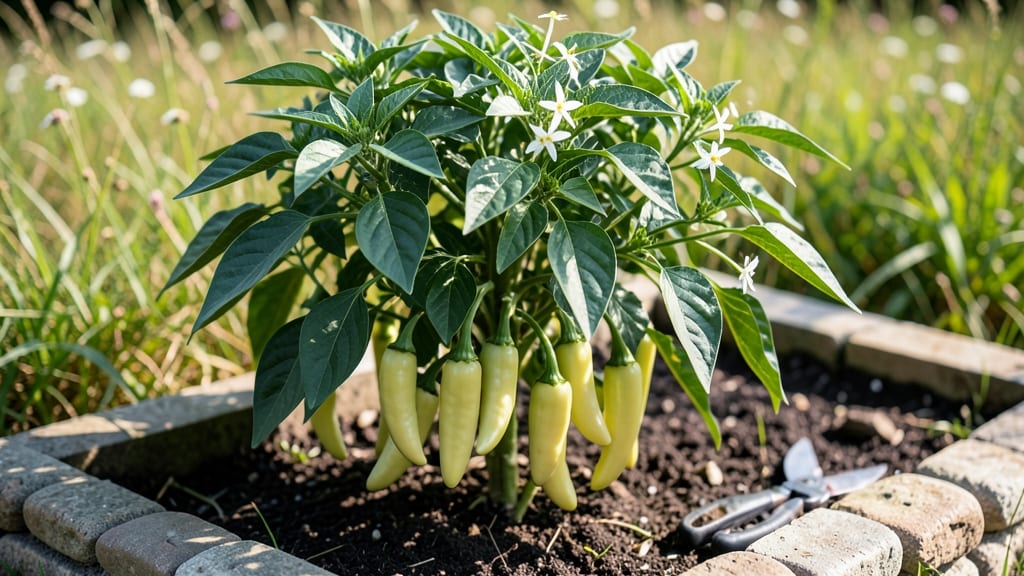
Growing banana peppers from seed means mild, crunchy heat that’s perfect for pickling or fresh snacking—no bitter surprises here. 🌱 I’ve grown them in containers for years, and the key is keeping them warm, well-fed, and upright (they love climbing).
The first harvest comes faster than you’d expect—sometimes as early as 8 weeks from transplanting—if you nail the light and soil. These peppers thrive in full sun (6+ hours daily) and warm soil (70°F+), which is why I start seeds indoors 8-10 weeks before last frost.
A 5-gallon container or vertical trellis works perfectly, and they’ll reward you with bright yellow-green pods that stay crisp even when fully ripe. The secret? Prune aggressively to focus energy on fruit, not foliage.
You’ll know they’re ready to harvest when pods turn smooth and glossy, usually in 60-70 days. Snip them carefully to avoid damaging the plant—each pepper produces more as you pick. Store extras in the fridge for 2-3 weeks, or freeze them whole for later.
Works in zones 8-11 (or indoors year-round with grow lights), and they’re disease-resistant if you avoid overwatering. Here’s how to keep them productive all season!
📚 In This Guide
- What you need
- Instructions
- Tips and common mistakes
- Wrapping up and next steps
What you need
- ● Banana pepper seeds or seedlings: Start with Capsicum frutescens seeds or disease-free nursery plants (3–5 per container).
- ● Containers: 5–7 gallon pots (minimum 12" deep) with drainage holes. Fabric grow bags or self-watering pots work too!
- ● High-quality potting mix: A well-draining blend with perlite or vermiculite (avoid garden soil—it compacts!). 1 bag (2–3 cubic feet) per container.
- ● Organic fertilizer: Balanced 10-10-10 or tomato/vegetable-specific fertilizer (follow label for dilution).
- ● Mulch: Straw or shredded leaves (1–2 inches) to retain moisture and suppress weeds.
- ● Support system: Cages (5–6 ft tall) or trellises for vertical growth (banana peppers love to climb!).
- ● Watering can or hose with nozzle: Drip irrigation is ideal for consistent moisture.
- ○ Pruning shears: Sharp, sterilized shears for trimming (optional but helpful for shaping plants).
- ● Grow lights: LED or fluorescent (12–16 hrs/day) if growing indoors or in low-light conditions.
- ● Epsom salt: 1 tbsp/month for magnesium boost (especially in flowering stages).
- ● Compost tea: Homemade or store-bought to enrich soil with microbes.
- ● Row covers: Lightweight fabric to protect seedlings from pests or late frosts.
- ● pH test kit: Ensure soil pH is 6.0–6.8 (banana peppers thrive in slightly acidic soil).
Step-by-step instructions for growing banana peppers
Here's how to cultivate sweet, productive banana peppers using vertical space and smart techniques.
🌱 Step 1: Start Seeds Indoors 8-10 Weeks Before Last Frost
Fill seed trays with sterile seed-starting mix and sow banana pepper seeds ¼ inch deep. These seeds germinate best at 75-85°F, so use a seedling heat mat if your home runs cooler. Keep the soil consistently moist but not soggy—banana pepper seedlings despise soggy roots.
Place trays under grow lights (or in a south-facing window) for 14-16 hours daily. You'll see sprouts in 10-14 days, but don't be surprised if germination takes longer in cooler homes. Thin to one strong seedling per cell once first true leaves appear.
☀️ Step 2: Transplant Seedlings to Containers or Garden
Move seedlings outdoors 2 weeks before last frost after hardening them off for 7-10 days. Banana peppers thrive in full sun (6+ hours daily) and well-draining soil with a pH of 6.0-7.0. If growing in containers, use pots at least 12 inches deep and wide—banana peppers develop long roots.
Plant seedlings 18-24 inches apart in rows 24-30 inches apart. Bury stems slightly deeper than they grew in trays to encourage stronger root systems. Water deeply at transplanting to settle soil around roots, then let the top inch dry before watering again.
🪴 Step 3: Support Plants Vertically and Prune for Productivity
Install cattle panels or trellises at planting to guide vines upward. Banana peppers grow 3-5 feet tall and produce more fruit when vertical. Tie main stems to supports with soft plant ties as they grow, adjusting as needed.
Pinch off the first few flowers to encourage bushier growth. Once plants establish, prune suckers (side shoots in leaf axils) to direct energy to fruit production. Remove any yellow or diseased leaves immediately—banana peppers are susceptible to fungal issues in humid conditions.
💧 Step 4: Maintain Consistent Watering and Fertilization
Water at the base 1-2 inches deep weekly, increasing to 2 inches weekly during fruiting. Banana peppers are drought-tolerant but produce sweeter fruit with consistent moisture. Avoid wetting foliage to prevent disease, and water early in the day so leaves dry quickly.
Feed plants with a balanced fertilizer (10-10-10) every 4-6 weeks starting when flowers appear. Reduce nitrogen after fruiting begins to prevent leafy growth at the expense of peppers. You'll know fertilization is right when plants show dark green leaves and steady fruit production.
✂️ Step 5: Harvest and Encourage Continuous Production
Harvest banana peppers when they reach 3-4 inches long and turn yellow-green. Use clean scissors or pruners to cut stems, leaving ¼ inch of stem attached to prevent disease entry. Regular harvesting encourages more fruit production—expect 20-30 peppers per plant in a good season.
Remove all fruit when temperatures drop below 50°F to signal dormancy. In warm climates, banana peppers produce year-round. Store harvested peppers in the fridge for 2 weeks or freeze for longer storage—both methods preserve their sweet heat perfectly.
Tips & tricks for growing banana peppers
Real talk: Growing these sweet peppers isn't just about planting seeds—it's about timing, support, and a few sneaky tricks that make all the difference.
Germination Game-Changer: That 75-85°F sweet spot for germination is non-negotiable, but here's what nobody tells you—if your home runs cool, place the seed trays on top of your fridge (not inside) for that extra warmth boost. I've seen germination times cut by nearly half using this trick. And don't skip the grow lights: even a south-facing window won't provide the consistent 14-16 hours of light these seedlings crave.
Transplanting Timing Secret: The 2 weeks before last frost rule is perfect, but here's the pro move: check your local weather forecast for a 3-day warm stretch before transplanting. Banana peppers hate cold snaps—if nighttime temps dip below 55°F, they'll bolt (flower prematurely) or develop bitter flavors. Hardening off for 7-10 days is crucial, but I like to start this process 5 days earlier than the instructions suggest for extra resilience.
Vertical Support Hack: While cattle panels and trellises work great, I've had the most success with repurposed tomato cages for my container-grown plants. The 3-5 feet height requirement is ideal for these, and they're cheaper than you'd think. Here's the real trick: install your supports at planting time, not after the plants get established. This prevents root disturbance later and gives vines something to grab immediately.
Harvesting Precision: Those 3-4 inches and yellow-green color cues are spot-on, but here's how to take it further: harvest in the morning after dew has dried to prevent fungal spores from hitching a ride on your peppers. And when you see flowers appear, count back 7-10 days to predict harvest time—this helps you plan for continuous production. The 20-30 peppers per plant estimate is accurate, but with proper care, I've gotten up to 40 peppers from a single plant in ideal conditions.
Pro Tips for Growing Banana Peppers
- Real talk: Growing these sweet peppers isn't just about planting seeds—it's about timing, support, and a few sneaky tricks that make all the difference.
- I've seen germination times cut by nearly half using this trick.
- Transplanting Timing Secret: The 2 weeks before last frost rule is perfect, but here's the pro move: check your local weather forecast for a 3-day warm stretch before transplanting.
Frequently asked questions
Got questions about growing banana peppers?
You’re not alone! Whether you’re a first-time gardener or a seasoned grower looking to optimize your harvest, here are some common queries—and their answers—to help you cultivate sweet, spicy success.
How long does it take for banana pepper plants to produce fruit?
Banana pepper plants typically take 60–90 days from transplanting to harvest, depending on your climate and growing conditions. In warmer regions, you might see peppers as early as 70 days, while cooler areas could extend this to 100+ days. Patience is key—rushing the process can lead to underripe, bitter peppers!
Why are my banana peppers turning bitter?
Bitter flavors often stem from overripe or underripe peppers, stress (like drought or extreme heat), or poor soil nutrition. Harvest peppers when they’re firm, green, and 2–4 inches long for the best flavor. If bitterness persists, check your soil pH (6.0–6.8) and ensure consistent moisture. A light nitrogen boost can also help!
Can I grow banana peppers in containers, and what size pot do I need?
Banana peppers thrive in containers with at least 12–18 inches of depth and 18+ inches in diameter to support their vining habit. Use a well-draining potting mix and place pots in a spot with 6–8 hours of sunlight daily. Just ensure your container has drainage holes to prevent root rot.
Do banana peppers need pruning, and how do I do it?
Pruning isn’t mandatory, but it can boost fruit production and airflow. Pinch off the first few flowers to encourage stronger growth, then prune suckers (side shoots) to focus energy on the main stem. Use clean scissors and avoid over-pruning—aim to keep the plant compact and bushy for easier harvesting.
What’s the best way to store homegrown banana peppers?
Store peppers in the fridge for up to 2 weeks in a paper towel-lined container to retain crispness. For longer storage, freeze them whole or sliced (blanch first to preserve texture). Avoid washing until ready to use—moisture speeds up spoilage. Need quick preservation? Ferment them!
Wrapping up and next steps
Growing banana peppers in your container garden is a rewarding adventure—packed with flavor, fun, and freshness! 🌱 Whether you’re a seasoned gardener or just starting, these vibrant peppers thrive with minimal space and care, delivering a mild kick and endless culinary possibilities.
Now that you’re armed with the right tools, tips, and troubleshooting know-how, it’s time to roll up your sleeves and get planting.
Ready to take the next step? Start small—try a single container or a few plants—and let your confidence (and harvest!) grow.
Before you know it, you’ll be sharing homegrown banana peppers with neighbors, swapping recipes, or even expanding your garden to include other heat-loving varieties. Your spicy, sweet success story begins now!