
Plants
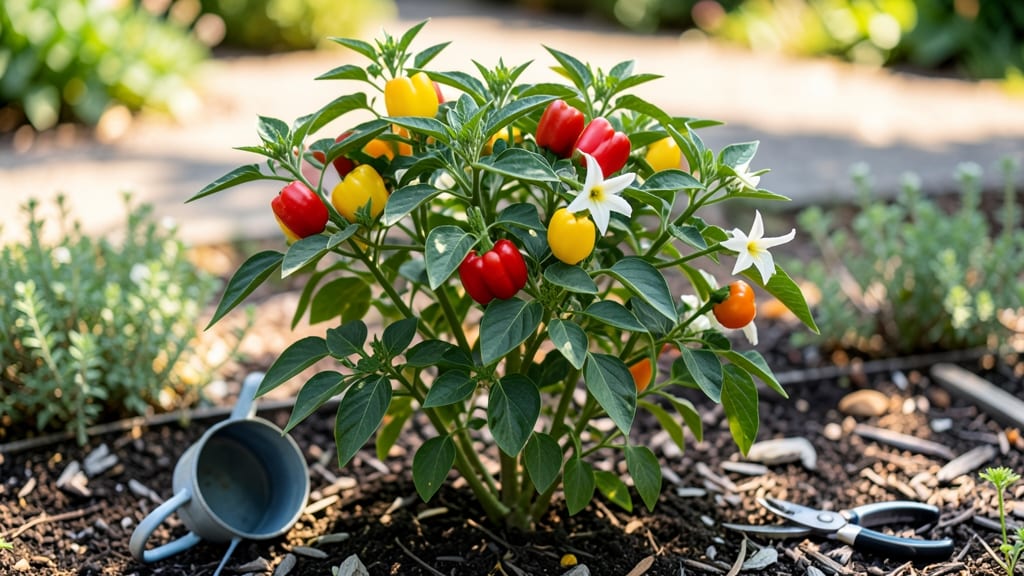
Gypsy peppers grow to a mature height of 3 to 4 feet—taller than you might expect for a pepper plant, and perfect for adding drama to your garden 🌶️.
If you're dreaming of a thriving garden with bold, flavorful peppers but wondering whether Gypsy peppers will fit your space, you're not alone.
These striking, striped peppers can reach heights that might surprise you, making them a unique addition to your cultivation plans.
In this guide, I’ll break down their growth habits, spacing needs, and how to control their size—whether you’re working with a small container or a sprawling backyard.
Gypsy pepper height by variety: what to expect at maturity
When planning your garden layout, knowing how big Gypsy peppers get is essential—especially if you're balancing space with bold flavors. These peppers typically reach 3 to 5 feet tall, with some varieties stretching even taller under ideal conditions.
Their striking striped appearance makes them a standout, but their height can vary based on growing conditions and variety. Understanding these differences helps you decide whether to grow them in containers, raised beds, or directly in the ground.
Gypsy peppers are indeterminate growers, meaning they don’t stop growing until frost hits. This makes their mature size more unpredictable than determinate varieties, which stay compact. Without proper care, they can become leggy and sprawling, but with the right support and pruning, you can manage their height effectively.
Their spread is usually 18 to 24 inches wide, so spacing is key to avoiding overcrowding and disease.
The height of Gypsy peppers depends heavily on sunlight exposure, soil fertility, and pruning habits. In full sun and rich soil, they’ll reach their maximum height, while partial shade or nutrient-poor soil can stunt their growth.
Even in containers, they can grow tall—just ensure the pot is at least 5 gallons to accommodate their root system. If you're working with limited space, dwarf varieties or regular pruning can keep them more manageable.
Here’s how Gypsy peppers compare to other common pepper varieties in terms of height and spread:
| Variety | Mature Height | Spread | Growth Habit | Best For |
|---|---|---|---|---|
| Gypsy Pepper (Standard) | 3–5 ft | 18–24 in | Indeterminate | Backyard gardens, containers |
| Jalapeño | 2–3 ft | 12–18 in | Indeterminate | Small spaces, raised beds |
| Bell Pepper | 2–3 ft | 18–24 in | Determinate | Containers, urban gardens |
| Cayenne | 2–4 ft | 12–18 in | Indeterminate | Large gardens, trellises |
| Dwarf Gypsy Pepper | 2–3 ft | 12–18 in | Indeterminate (compact) | Balconies, small pots |
As you can see, Gypsy peppers are among the taller pepper varieties, making them ideal for gardeners with vertical space or trellises. Their height also means they benefit from staking or caging to prevent sprawling and improve air circulation.
Without support, they can flop over, especially in windy conditions or when laden with fruit. If you're growing them in containers, choose a tall, narrow pot to accommodate their height while keeping roots stable.
Another factor influencing Gypsy pepper height is pruning. Regular pruning encourages bushier growth and can reduce height by up to 12 inches if done correctly. Focus on removing suckers (side shoots) and pinching back the top growth to redirect energy into fruit production.
This technique is especially useful if you're growing them in small spaces or containers. Pruning also improves airflow, reducing the risk of fungal diseases like powdery mildew, which can stunt growth.
Soil quality plays a critical role in Gypsy pepper height. Well-draining, nutrient-rich soil with a pH of 6.0 to 6.8 promotes healthy root development and vigorous growth.
Amend your soil with compost or aged manure before planting to ensure your peppers have the nutrients they need to reach their full potential. In poor soil, Gypsy peppers may grow 2 feet shorter than expected, so don’t skip this step if you want tall, productive plants.
If you're growing Gypsy peppers in cooler climates (USDA Zones 5-7), expect slightly shorter plants due to shorter growing seasons. In these zones, focus on early planting and use row covers to extend the season.
In warmer zones (Zones 8-10), Gypsy peppers can grow even taller, sometimes exceeding 5 feet, so plan for taller supports or trellises. Always monitor your plants for signs of stress, like yellowing leaves, which can indicate nutrient deficiencies or overwatering.
For gardeners with limited space, consider dwarf Gypsy pepper varieties, which max out at 2 to 3 feet tall. These are perfect for balconies, patios, or small raised beds and still produce the same bold, striped peppers.
Even standard varieties can be trained to stay smaller with consistent pruning and proper spacing. Just remember: the more you prune, the more you’ll need to support the plant to prevent it from toppling over.
When planning your garden, give Gypsy peppers 18 to 24 inches of space between plants to allow for airflow and easy harvesting. If you're growing them in rows, space plants 2 feet apart in all directions.
In containers, ensure the pot is at least 12 inches deep and wide to accommodate their root system. Proper spacing not only controls height but also reduces the risk of pests and diseases, ensuring healthier, more productive plants.
In
How to control Gypsy pepper size: pruning and training tips
Gypsy peppers can grow 3 to 5 feet tall if left unchecked, but with the right techniques, you can manage their height and encourage a bushier, more productive plant. The key is balancing pruning, staking, and seasonal care to keep them within your desired space while maximizing fruit production.
Whether you're working with a container garden or a backyard plot, these strategies will help you maintain control.
One of the first steps is understanding that Gypsy peppers grow upright but can become top-heavy with fruit. Without support, they may flop over or become unwieldy. By pruning strategically and using staking or trellising, you can guide their growth and prevent them from sprawling.
This approach also improves air circulation, reducing the risk of disease and ensuring healthier plants.
Here’s how to manage Gypsy pepper size effectively:
-
1
Prune Early and Often
Trim side shoots and lower leaves to encourage upward growth. Focus on removing suckers (shoots in leaf axils) to direct energy to fruit production.
-
2
Use Stakes or Trellises
Install bamboo stakes or cage supports at planting. Tie plants loosely with soft plant ties to prevent damage as they grow.
-
3
Top-Dress for Bushier Growth
Apply a light fertilizer (like 10-10-10) in early summer to promote lateral branching. Avoid over-fertilizing, which can lead to leafy growth over fruit.
-
4
Adjust Pruning by Season
Spring: Focus on removing damaged leaves and encouraging airflow. Summer: Prune to control height and remove spent flowers. Fall: Reduce pruning to allow energy storage for next year.
-
5
Harvest Regularly to Limit Growth
Picking ripe peppers frequently signals the plant to produce more fruit rather than focus on vertical growth. Aim to harvest every 3-5 days during peak season.
For container gardening, choose dwarf varieties or prune aggressively to keep plants under 2 feet tall. In raised beds, allow slightly more height but monitor for crowding.
If you notice yellowing leaves or stunted growth, it may indicate over-pruning or nutrient deficiency. Adjust your approach by adding compost or balanced fertilizer as needed.
With these techniques, you can shape your Gypsy peppers to fit your garden perfectly while enjoying a bountiful harvest. Whether you’re growing them in pots on a balcony or a sunny backyard, controlling their size ensures they thrive without taking over your space. Happy pruning! ✂️🌱