
How To
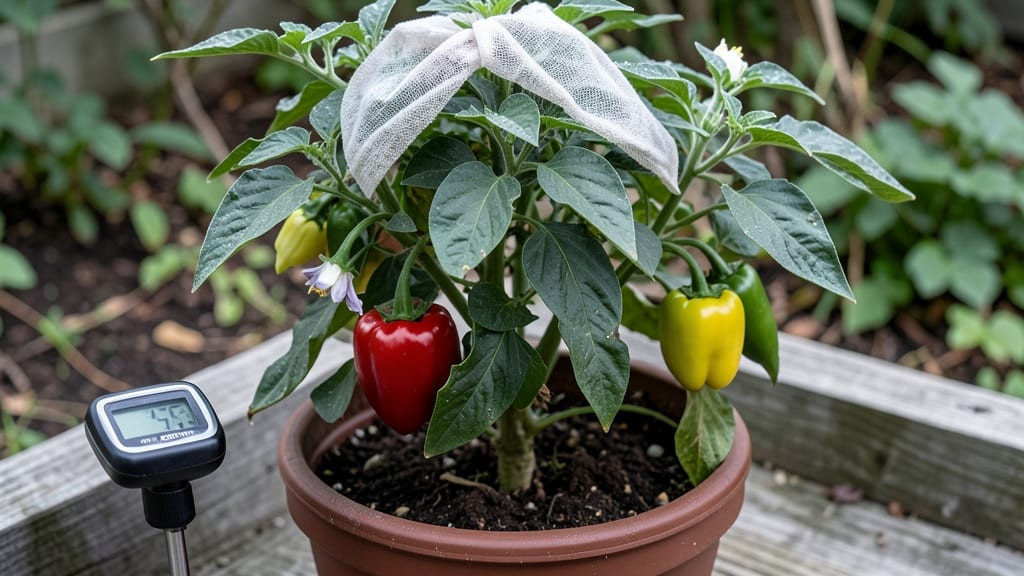
Pepper plants tolerate cold down to 50°F (10°C) at best, but most varieties wilt or die when temperatures dip below 40°F (4°C) for more than a few hours.
If you’ve ever watched your 🌶️ pepper plants shiver under a late spring frost or wondered why your jalapeños turned black overnight, you’re not alone. The truth is, most peppers are tropical and can’t handle even light freezes—unless you take the right steps to protect them.
This guide breaks down exactly how cold your pepper plants can handle, which varieties survive best in cooler climates, and the game-changer strategies to extend your growing season—even in USDA Zone 6a or colder.
From frost blankets to container gardening hacks, you’ll discover how to shield your plants from chilly nights and keep them thriving until a July harvest—or even longer.
Cold tolerance limits for pepper plants by variety type
Pepper plants are tropical by nature, which means they struggle in cold temperatures. Most varieties won't survive frost, but some can handle brief chills. Understanding cold tolerance by type helps you choose the right peppers for your climate and protect them during unexpected temperature drops.
Bell peppers, jalapeños, and habaneros all have different temperature thresholds. For example, bell peppers can tolerate slightly cooler nights than habaneros, which are more sensitive.
Even a single night below 50°F (10°C) can stunt growth or damage leaves, so knowing these limits is critical for gardeners in USDA Zones 7-10.
Below is a detailed comparison of how cold each pepper variety can tolerate, including their minimum safe temperatures and hardiness zones. This will help you decide which peppers to grow and how to protect them from early or late-season cold snaps.
Bell peppers are the most cold-tolerant variety among common peppers, with some varieties like 'California Wonder' enduring brief dips to 50°F (10°C). However, prolonged exposure to temperatures below 55°F (13°C) will stunt their growth or cause leaf damage.
If you're in USDA Zone 8 or cooler, opt for early-maturing varieties to harvest before the first frost.
Jalapeños, including popular varieties like 'Early Jalapeño', can handle slightly cooler nights down to 48°F (9°C). This makes them a better choice for gardeners in Zones 8-9, but they still require protection during unexpected cold snaps.
Planting them near south-facing walls or using black plastic mulch can raise soil temperatures by 5-10°F, giving them a survival boost.
Habaneros, such as 'Red Savina' or 'Carolina Reaper', are the most heat-loving peppers and struggle in temperatures below 55°F (13°C). These varieties thrive in Zones 10-11, but gardeners in cooler climates can grow them in containers and move them indoors during cold weather.
A grow light setup can extend their growing season significantly.
Heirloom peppers, like 'Cherokee Purple' or 'Aji Charapita', often have slightly better cold tolerance than commercial hybrids, with some surviving brief drops to 45°F (7°C). However, they still require protective measures like cloches or cold frames to prevent frost damage.
These varieties are ideal for extended harvests in Zones 7-10 if given proper care.
If you're growing peppers in Zones 6 or below, focus on short-season varieties and use season-extending tools like row covers or greenhouses. Starting seeds indoors and transplanting after the last frost date is also key.
For example, in Zone 6, aim to transplant peppers by mid-May to ensure they mature before the first frost in October.
Cold damage often starts with leaf discoloration (black or brown spots) and progresses to stunted growth or rotting stems. If you notice these signs, remove affected leaves and provide immediate protection like a row cover.
In severe cases, the entire plant may die, but protecting young plants can save them for future harvests.
For gardeners in cooler climates, consider container gardening to move peppers indoors during cold snaps. A sunny
How to protect pepper plants from frost and cold damage
Even the hardiest pepper plants struggle when temperatures dip below 50°F (10°C). A single night of frost can blacken leaves, stunt growth, or even kill young seedlings. But don't give up on your harvest just yet!
With the right strategies, you can extend your growing season and protect your peppers from cold damage—whether you're dealing with late spring frosts or chilly autumn nights.
Cold-sensitive plants like peppers need consistent warmth to thrive, but that doesn't mean you're limited to warm climates. By using season-extending techniques, you can grow peppers successfully in USDA Zones 8-10 or even push the limits in cooler regions.
The key is combining protective barriers, mulching, and smart planting methods to shield your plants from temperature swings.
⚠️ How Cold Can Pepper Plants Tolerate?
Pepper plants can survive brief dips to 45°F (7°C), but prolonged exposure below 50°F (10°C) causes stress. Here’s the breakdown:
- Young seedlings: Die at 32°F (0°C) or below
- Mature plants: Survive 45-50°F (7-10°C) for short periods
- Frost (<32°F/0°C): Kills leaves, stunts growth, and damages fruit
Use row covers or cloches to raise temperatures by 5-10°F (3-6°C) and protect plants down to 35°F (2°C).
One of the easiest ways to protect your peppers is by using floating row covers or lightweight fabric tunnels. These create a microclimate that traps heat and shields plants from wind and frost.
For example, a simple hoop house made with PVC pipes and row cover fabric can raise soil temperatures by 8-10°F (4-6°C), giving your peppers a fighting chance in cooler weather.
Mulching is another game-changer for cold protection. Apply a thick layer of straw or wood chips around the base of your plants to insulate roots and retain soil warmth. This method works especially well in container gardening, where pots lose heat faster.
For potted peppers, wrap containers in bubble wrap or move them to a sheltered spot during cold snaps.
If you're in a region with short growing seasons, consider starting peppers indoors under grow lights and transplanting them after the last frost date. You can also opt for cold-hardy varieties like 'Arpad F1' or 'Carolina Wonder', which tolerate cooler temperatures better than standard types.
These varieties can handle 55°F (13°C) for short periods, making them ideal for Zone 7 gardens.
For gardeners in Zone 6 or colder, overwintering peppers indoors is a great option. After the first frost, carefully dig up mature plants, trim them back, and repot them in well-draining soil.
Place them near a sunny window or under grow lights and reduce watering. With proper care, you can coax a second harvest or even save seeds for next year!