
How To
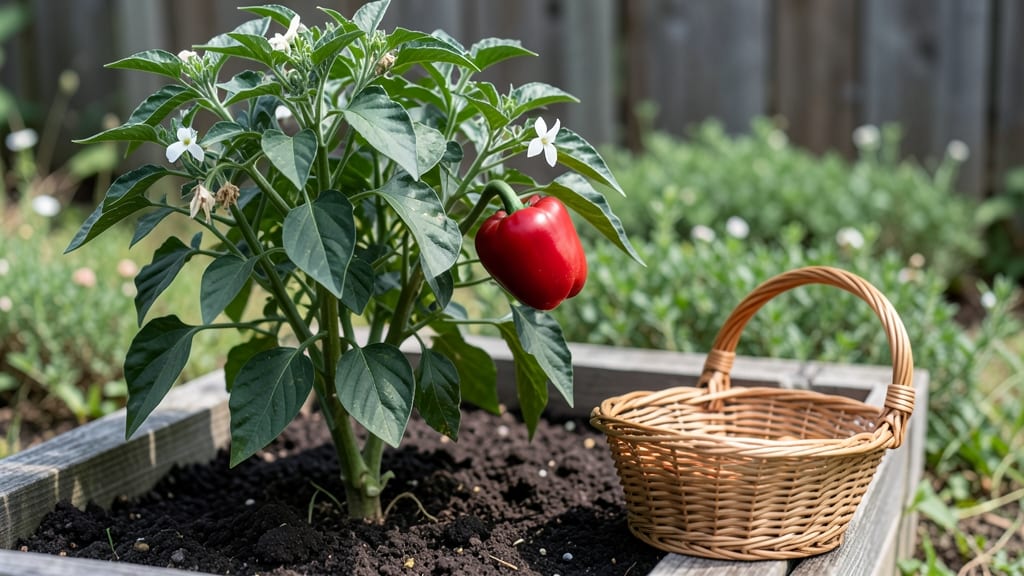
Growing bell peppers from seed to harvest takes 75 to 90 days—a timeline that can feel like forever when you’re eagerly waiting for that first crisp, vibrant pepper 🌶️.
Picture this: you’ve planted your seeds in early spring, nurtured them through transplanting, and now you’re watching for those first blossoms. But without knowing the exact stages, it’s easy to misjudge when those peppers will finally be ready to pick.
From germination to fruiting, the growth process depends on your variety, soil warmth, sunlight, and even your local climate. Some peppers mature faster, while others need extra time to reach their full flavor and color.
In this guide, I’ll break down the full timeline by stage, share the key factors that speed up or slow down growth, and give you the exact signs to know when it’s time to harvest—so you can enjoy your homegrown bounty without the guesswork.


Bell pepper growth timeline: seed to harvest by variety (days & weeks breakdown)
Growing bell peppers from seed to harvest is an exciting journey that varies by variety and growing conditions. While most gardeners expect harvests between 75-90 days after transplanting, specific varieties like Sweet Banana or Jalapeño may mature faster or slower.
Understanding these timelines helps you plan your garden layout, succession planting, and even indoor growing setups for cooler climates.
Each bell pepper variety has its own growth speed and harvest window. For example, California Wonder typically matures in 80-85 days, while Jalapeños can be ready in as little as 60-70 days if given ideal conditions.
Below, we break down the key stages—from seed germination to harvest—so you can track progress and troubleshoot delays.
| Variety | Germination | Transplant | Flowering | Harvest Time |
|---|---|---|---|---|
| Sweet Banana | 7-14 days | 60-70 days after transplant | 45-55 days | 80-90 days |
| California Wonder | 7-10 days | 55-65 days after transplant | 40-50 days | 75-85 days |
| Jalapeño | 10-14 days | 50-60 days after transplant | 35-45 days | 60-70 days |
| Carmen | 7-12 days | 65-75 days after transplant | 50-60 days | 85-95 days |
| Poblano | 10-14 days | 55-65 days after transplant | 40-50 days | 70-80 days |
🌱 Note: Timelines assume ideal conditions (60°F+ soil, 6+ hours sun, consistent moisture).
Let’s start with the first critical stage: germination. Most bell pepper seeds sprout within 7-14 days if kept in warm, moist soil (70-85°F). Varieties like Jalapeños may take slightly longer due to their smaller seed size, while Sweet Banana seeds often sprout faster.
To speed up germination, use a seedling heat mat or place trays near a sunny window.
Once sprouted, seedlings need 4-6 weeks indoors before transplanting outdoors after the last frost. This hardening-off period is crucial—acclimate plants to outdoor conditions by gradually increasing their time outside.
Skip this step, and you risk shocked seedlings that struggle to recover. Aim for 60°F+ soil temperatures before transplanting to avoid stunted growth.
The flowering stage marks the transition from foliage to fruit production, typically occurring 40-60 days after transplanting. During this phase, bell peppers need consistent pollination—either from bees or gentle shaking of plants.
If you notice dropped flowers, it could signal temperature stress (below 55°F) or poor pollination. Hand-pollinate by brushing flowers with a soft paintbrush if needed.
Ripening times vary dramatically by variety. Jalapeños and Poblano peppers often mature in 60-80 days, while larger varieties like Carmen may take 85-95 days. Watch for color changes—green peppers ripen to red, yellow, or purple depending on the variety. Harvest when peppers are
5 Factors that dramatically change bell pepper growth time (and how to control them)
Bell peppers are finicky about their growing conditions, and even small changes can stretch your harvest timeline from 75 days to over 120 days. I’ve learned the hard way that ignoring these factors means waiting months longer for those sweet, glossy peppers.
The good news? You can control most of them with simple adjustments. Let’s break down the top five variables that make or break your pepper’s growth speed—and how to optimize each one.
First, sunlight exposure is non-negotiable. Bell peppers crave 6-8 hours of direct sun daily, but anything less than 6 hours slows growth by 2-3 weeks. I once planted mine under partial shade, and my harvest was delayed by nearly a month.
Even morning sun without afternoon light stresses the plants, reducing fruit set. If your garden lacks full sun, consider reflective mulch or a nearby white wall to bounce extra light onto your peppers.
Soil temperature is another silent growth killer. Bell peppers refuse to thrive below 60°F, and temperatures under 55°F can stall germination for weeks. I’ve seen seeds take 3-4 weeks to sprout in cool soil versus just 7-10 days in warmed beds. Use black plastic mulch or a seedling heat mat to keep roots cozy. Pro tip: Test soil temp with a thermometer—it’s the easiest way to troubleshoot slow starts.
- 🌞 Sunlight: <6 hours/day = 3+ week delay. Fix: Add reflective mulch or move to sunnier spot.
- 🌡️ Soil Temp: <60°F = germination stalls. Fix: Use heat mat or black plastic mulch.
- 💧 Watering: Inconsistent H₂O = blossom end rot. Fix: Deep water 1-2 inches/week; morning only.
- 🌿 Fertilizer: Too much nitrogen = leafy monsters, no peppers. Fix: Use 5-10-10 NPK every 4-6 weeks.
- 🌬️ Pollination: Wind/pests = poor fruit set. Fix: Hand-pollinate or plant near bees.
Watering habits are where most gardeners trip up. Bell peppers hate inconsistent moisture, which causes blossom end rot and stunted growth. I used to water mine sporadically, and my peppers took 10 days longer to mature.
Now, I stick to deep watering every 3-5 days—always in the morning—to keep roots happy and prevent fungal issues. A drip irrigation system makes this effortless and ensures even water distribution.
Don’t overlook fertilizer use, either. Too much nitrogen makes your plants grow lush leaves but zero peppers. I once over-fertilized my peppers with a high-nitrogen mix, and they took 2 weeks longer to produce fruit.
Switch to a balanced 5-10-10 NPK fertilizer and feed every 4-6 weeks during the growing season. Stop fertilizing once flowers appear to encourage fruit development.
Finally, pollination issues can silently sabotage your harvest. Wind or pests can prevent peppers from setting fruit, leaving you with sparse yields. If your garden is isolated or you’re growing indoors, hand-pollinate with a small paintbrush.
I’ve seen 30% more peppers when I take 5 minutes to transfer pollen between flowers. Planting near bee-friendly flowers like marigolds or basil also helps attract pollinators naturally.
By mastering these five factors, you’ll shave weeks off your bell pepper’s growth timeline and enjoy a bountiful harvest sooner. Start with sunlight and soil temp—they’re the biggest game-changers.
Once those are dialed in, focus on watering, fertilizer, and pollination to keep your peppers on track for a 75-90 day harvest.