
Plants
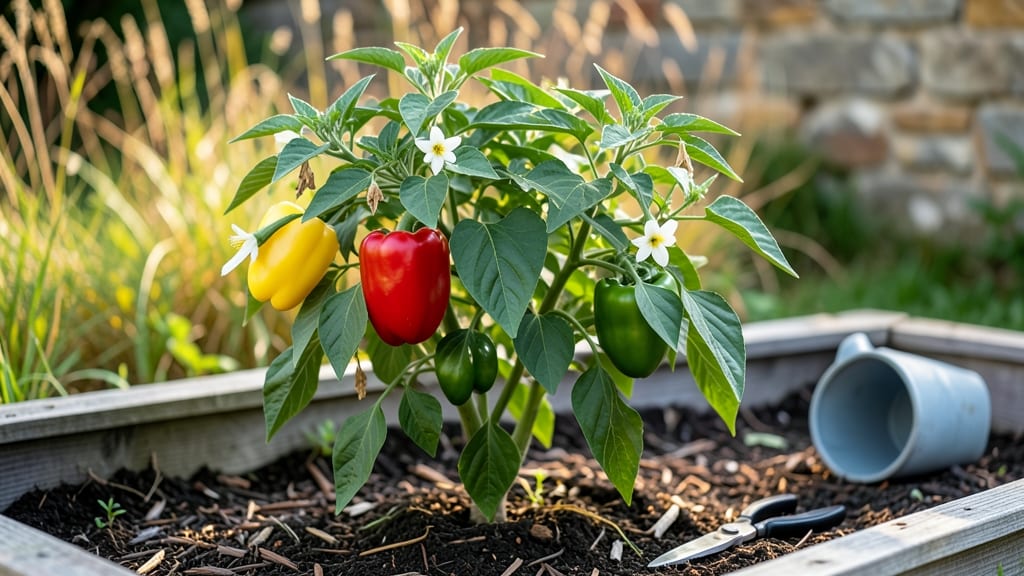
Before you plant, ask yourself: how much light does a pepper plant need—because 6 to 8 hours of direct sunlight daily is the golden rule for a thriving harvest 🌶️, and too little can leave you with sad, leggy plants instead.
Picture this: your peppers are stretching toward the light like they’re reaching for a snack, but the fruit stays small and bitter. That’s a classic sign of light deprivation, and it’s not just about hours—it’s about intensity.
Some varieties, like habaneros, demand even more sun than bell peppers, and shade from nearby plants or structures can sneak up on you.
Whether you’re growing in your backyard, a container on a balcony, or under grow lights indoors, the right light setup is the foundation of a successful harvest.
Below, I’ll break down exactly how much sunlight your peppers need, how to spot when they’re struggling, and the best ways to supplement light if nature isn’t cooperating.
You’ll also discover how seasonal changes—like shorter winter days—can throw off your peppers’ growth, plus actionable fixes to keep them happy year-round. Let’s make sure your plants get the light they deserve!


Sunlight requirements for pepper plants: hours and intensity by variety
Pepper plants thrive under full sun, but their exact needs vary by variety. Most peppers need 6-8 hours of direct sunlight daily for strong stems, abundant flowers, and flavorful fruit. Habaneros and jalapeños demand the most light, while bell peppers tolerate slightly less.
Without enough sunlight, you’ll see stunted growth, fewer peppers, and pale, weak plants.
The intensity of sunlight matters just as much as the hours. Morning sun (6 AM–12 PM) is ideal because it’s less intense than afternoon rays, which can scorch leaves. Afternoon shade (2–4 PM) helps in hot climates, but peppers still need those critical morning hours.
If you’re in a cooler climate, extend their sun exposure to 8-10 hours to compensate for weaker sunlight.
Here’s how different pepper varieties stack up in terms of sunlight needs, including their tolerance for partial shade and seasonal adjustments:
| Variety | Sunlight Needs | Partial Shade Tolerance | Seasonal Adjustments |
|---|---|---|---|
| Bell Peppers | 6–8 hours | Moderate (4–6 hrs) | Extend to 10 hrs in cloudy seasons |
| Jalapeños | 8–10 hours | Low (minimal shade) | Use grow lights in winter |
| Habaneros | 10+ hours | None (full sun only) | Greenhouse recommended |
| Poblano | 6–8 hours | Moderate (afternoon shade) | Prune for airflow in dense shade |
| Cayenne | 8–10 hours | Low (minimal shade) | Rotate pots for even light |
For bell peppers, 6-8 hours of sun is ideal, but they can tolerate partial shade in the afternoon if mornings are sunny. This makes them great for container gardening on patios or balconies where afternoon shade is inevitable.
Look for compact varieties like ‘Sweet Banana’ or ‘California Wonder’ for smaller spaces.
Jalapeños and cayenne peppers are more demanding, requiring 8-10 hours of direct sunlight. If your garden only gets 6 hours, supplement with a grow light (12–16 hours/day) to prevent leggy growth and poor fruiting. These varieties also benefit from reflective surfaces like white walls or mulch to bounce extra light onto the plants.
Watch for light deficiency signs like yellowing leaves (chlorosis), slow growth, or fewer flowers.
If your peppers are etiolated (long, weak stems with small leaves), they’re not getting enough light. Rotate containers weekly to ensure even exposure, and avoid placing them in deep shade under trees or tall structures.
In hot climates, peppers can handle afternoon shade (especially from 2–4 PM) to prevent leaf scorch. However, they still need morning sun for energy production.
If you’re growing in a greenhouse, ensure ventilation to avoid overheating while maximizing light exposure. South-facing windows are best for indoor peppers, but supplement with LED grow lights if natural light drops below 6 hours/day.
For habaneros, full sun is non-negotiable. These heat-loving peppers need 10+ hours of direct sunlight to develop their signature fiery heat. Without enough light, they’ll produce small, bland peppers with weak flavors.
If you’re growing them indoors, invest in a full-spectrum LED grow light and keep it 6–12 inches above the plants for optimal results.
Seasonal adjustments are key. In spring and fall, when days are shorter, extend light exposure with grow lights or move containers to sunnier spots.
In summer, prioritize morning sun and provide afternoon shade if temperatures exceed 90°F (32°C). Mulch around the base of your plants to retain moisture and regulate soil temperature, which indirectly supports their light needs by reducing stress.
Pro tip: Use a light meter or observe your plants’ shadows. If the shadow is longer than the plant
How to provide the right light: indoor vs. outdoor growing solutions
Getting your pepper plants the right amount of sunlight can make or break your harvest. While outdoor peppers bask in natural full sun, indoor growers need to replicate those conditions with artificial lighting.
The key is understanding how to maximize light exposure whether you're gardening outside or inside. Let me break down the best approaches for each scenario.
Outdoor pepper plants thrive with 6-8 hours of direct sunlight daily, but even that can vary by season and location. In my garden, I’ve noticed that early morning and late afternoon sun are just as valuable as midday rays.
For indoor setups, you’ll need to supplement with grow lights, but not all lights are created equal. The wrong type can leave your peppers leggy and weak.
| Light Source | Best For | Daily Hours Needed | Pros | Cons |
|---|---|---|---|---|
| Natural Sunlight | Outdoor gardens | 6-8 hours | Free, full spectrum, no setup | Seasonal variations, weather-dependent |
| LED Grow Lights | Indoor setups | 12-16 hours | Energy-efficient, long lifespan, full spectrum | Higher upfront cost |
| Fluorescent Lights | Seedlings, small setups | 14-16 hours | Affordable, good for early growth | Less efficient for mature plants, shorter lifespan |
| Greenhouse Sunlight | Extended outdoor season | 8-10 hours (with reflection) | Natural light + heat retention | Requires ventilation, higher humidity |
For outdoor growers, positioning is everything. Place your pepper plants in the sunniest spot of your garden, ideally where they receive uninterrupted sunlight from mid-morning to late afternoon. If nearby trees or structures cast shade during peak hours, consider pruning branches or relocating your plants.
In my experience, even a few hours of shade can reduce fruit production significantly.
Indoor growers should prioritize LED grow lights over fluorescent options for mature plants. LEDs provide a full spectrum of light, mimicking natural sunlight, and they’re far more energy-efficient. I recommend positioning lights 12-18 inches above your peppers and running them for 12-16 hours daily.
For seedlings, fluorescent lights work well, but upgrade to LEDs once plants reach 3-4 inches tall.
Troubleshooting light issues is easier than you think. If your peppers start looking stretched or pale, they’re not getting enough light. Rotate your plants weekly to ensure even growth, and adjust the height of your grow lights as your peppers grow taller.
In my greenhouse, I’ve even used reflective surfaces like white paint or aluminum foil to bounce extra light onto shaded areas.
Don’t forget about seasonal adjustments! In winter, days are shorter, so supplement with grow lights if you’re growing indoors. For outdoor plants, extend the season by using row covers or cold frames to trap heat and light.
With the right setup, you can keep your peppers thriving year-round—whether they’re basking in natural sun or glowing under artificial lights. 🌱