
Propagation
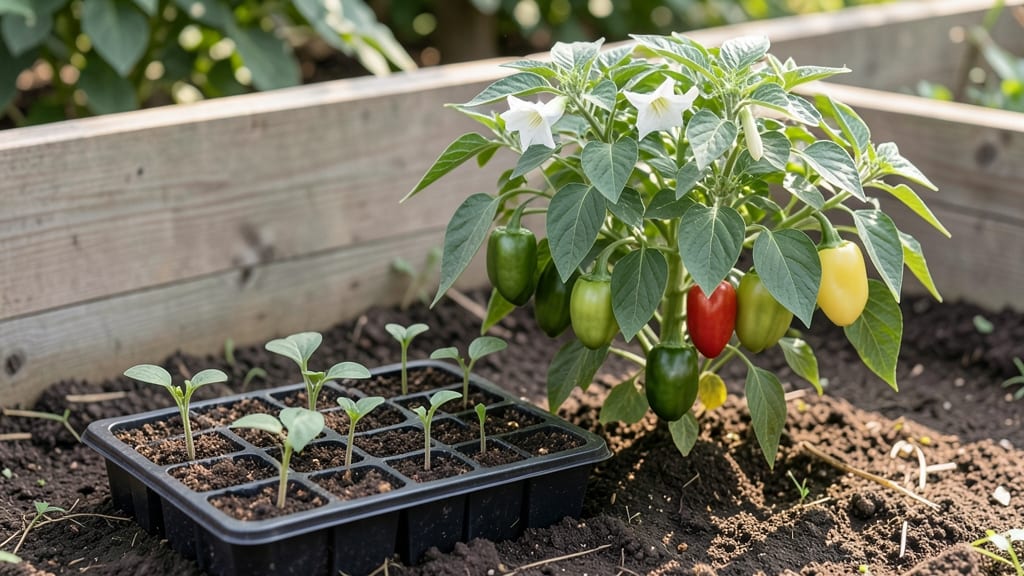
Growing sweet peppers from seeds starts with patience and a warm spot—because these babies need consistent 80°F soil to germinate. 🌱 I learned the hard way that cold soil means waiting weeks (or giving up), but once you crack the heat code, you’ll have lush plants ready for transplanting by summer.
The secret isn’t fancy equipment—it’s timing, warmth, and a little extra care during those first fragile weeks.
You’ll need seed-starting mix (not garden soil), small pots or trays, and a heat mat or sunny windowsill that stays warm. Sweet pepper varieties like ‘Bell Boy’ or ‘Sweet Banana’ are perfect for beginners—they’re disease-resistant and produce abundant, flavorful peppers even in small spaces.
Start seeds indoors 8-10 weeks before your last frost, and keep the soil moist (not soggy) to avoid damping-off, a fungal disease that kills seedlings overnight.
By week 6, you’ll see those first true leaves—thick and vibrant—and roots pushing through the bottom of pots. That’s when you’ll know you’re on track for a bountiful harvest by midsummer. Transplant outdoors only after nighttime temps stay above 55°F, and harden off seedlings gradually to avoid shock.
The payoff? Homegrown peppers that taste 10x better than store-bought and stay crisp until you’re ready to pick.
Troubleshooting is half the fun: yellow leaves? Too much water. Leggy seedlings? Not enough light. Adjust as you go, and soon you’ll be snipping peppers straight from the vine.
Whether you’re growing on a balcony or in a full garden bed, this method works—just give those seeds the warmth they crave.
📚 In This Guide
- What you need
- Instructions
- Tips and common mistakes
- Wrapping up and next steps
What you need
- ● Sweet pepper seeds: Choose heirloom or hybrid varieties like Bell Peppers, Jalapeños, or Poblano (5–10 seeds per plant).
- ● Seed-starting mix: Lightweight, sterile potting soil (1–2 gallons). Avoid garden soil—it’s too dense!
- ● Containers: Biodegradable pots (2–3 inches deep) or seed trays with drainage holes (10–20 cells).
- ○ Heat mat (optional but helpful): Maintains 75–85°F for faster germination (12"x24" or larger).
- ● Grow lights or sunny windowsill: 12–16 hours of light daily (LED grow lights work best).
- ● Spray bottle: For gentle watering (avoid oversaturating seeds).
- ● Plastic wrap or humidity dome: Keeps moisture in until germination (1–2 sheets).
- ● Fertilizer: Balanced, water-soluble fertilizer (5-10-5 or 10-10-10, diluted to half-strength).
- ● Seedling heaters: Clip-on versions for extra warmth if no heat mat.
- ● pH test kit: Ensures soil pH is 6.0–6.8 (peppers love slightly acidic soil!).
- ● Fungicide (like neem oil): Prevents damping-off disease in humid conditions.
- ● Transplanting tweezers: Makes moving seedlings easier without damaging roots.
- ● Garden journal: Track planting dates, germination times, and growth milestones!
Step-by-Step instructions for growing sweet peppers from seeds
Sweet peppers thrive with patience and warmth—here's how to coax those first seedlings into strong, productive plants.
🌱 Step 1: Prepare Seeds and Containers for Germination
Sweet pepper seeds need consistent moisture and warmth to germinate, so start by filling 4-inch deep containers with a sterile seed-starting mix (never garden soil—it's too dense). I like to use biodegradable pots because they eliminate transplant shock later. Moisten the mix until it feels like a damp sponge, then press it down lightly to remove air pockets.
Place 1-2 seeds per container about ¼ inch deep—sowing too deep delays germination because the seedling must push through more soil. Cover lightly with additional mix and mist gently until the surface looks uniformly damp. Here's the thing—sweet pepper seeds germinate best at 75-85°F, so I place the containers on a seedling heat mat (or in a warm spot like on top of the fridge). You'll see sprouts in 7-14 days, but some varieties can take up to 21 days if your home runs cooler.
💧 Step 2: Maintain Warmth and Moisture Until Sprouting
After planting, cover the containers with a clear plastic dome or plastic wrap to trap heat and humidity. Check daily but resist watering—condensation inside the dome keeps moisture levels perfect. If you notice the soil surface drying out, mist lightly with lukewarm water (cold water shocks seeds).
Sweet peppers are finicky about moisture—too much causes damping-off (a fungal disease that collapses seedlings overnight), while too little stalls germination. You'll know moisture is right when the soil surface looks slightly damp but not glistening. Once 50% of seeds have sprouted, remove the dome immediately to prevent fungal growth. Real talk: if seedlings look weak or leggy at this stage, they're reaching for light—adjust your grow light within 2-4 inches of the plants.
☀️ Step 3: Provide Light and Fertility for Strong Seedlings
The instant seedlings emerge, they need 14-16 hours of light daily from a full-spectrum LED grow light (a south-facing window won't cut it). Position the light 2-4 inches above the plants and raise it as they grow to maintain that gap. Without enough light, seedlings stretch toward the source (called "leggy"), and those plants never recover.
After 2-3 weeks, when seedlings show their first true leaves (the second set after the initial cotyledons), fertilize lightly with a balanced liquid fertilizer (like 5-5-5) diluted to half strength. I use a spray bottle to avoid overfeeding—young roots can't handle strong solutions. Watch for deep green leaves and compact growth—those are signs your seedlings are thriving. If leaves yellow, you're overwatering or under-fertilizing.
🪴 Step 4: Harden Off and Transplant Outdoors
Two weeks before your last frost date, start hardening off seedlings by placing them outside in a sheltered, shaded spot for 1-2 hours the first day. Gradually increase outdoor time by 1 hour daily over 10-14 days, slowly introducing more sun and wind. Sweet peppers hate cold—even a light frost will kill them, so wait until soil temperatures reach at least 60°F before transplanting.
Transplant on an overcast afternoon to reduce shock. Dig a hole the same depth as the seedling's root ball, place it in, and firm soil around the base. Space plants 12-18 inches apart (check your variety's needs—some grow larger). Water deeply at the base to encourage root growth. Here's where it gets fun—watch the cotyledons pop through the soil after a few days. That's your signal everything is working.
Tips & tricks for perfect sweet pepper seedlings
Sweet pepper seeds are finicky creatures—they demand warmth, patience, and just the right touch of moisture. Here's what I've learned after watching seedlings go from stubborn little specks to thriving plants.
Germination Temperature Secret: That 75-85°F range in Step 1 isn't just a suggestion—it's the sweet spot where pepper seeds wake up from dormancy. If your home runs cooler, place containers on a seedling heat mat or even on top of your fridge. I've seen germination times stretch to 21 days in cooler homes, but with that heat mat, I consistently hit sprouts in 7-14 days. Pro tip: Test your seedling heat mat's temperature with an infrared thermometer—some run hotter than advertised.
Light Position Technique: In Step 3, when you're setting up that grow light, remember this: seedlings grow toward the light like moths to a flame. Position your LED light 2-4 inches above the seedlings and raise it as they grow to maintain that distance. I adjust mine every 3-4 days—if you see seedlings stretching taller than 4 inches, they're begging for more light. This prevents that dreaded "leggy" syndrome where plants become spindly and weak.
Hardening Off Strategy: The 10-14 day hardening off period in Step 4 is your chance to prepare seedlings for the great outdoors. Start with just 1-2 hours on day one, then add an hour each day. I've learned the hard way that rushing this process leads to shocked plants that wilt dramatically when transplanted. Watch for leaves that might curl or yellow—this is their way of saying "slow down." On day 14, if your seedlings look perky and green, they're ready for their permanent home.
Moisture Balance Rescue: Sweet peppers hate soggy soil as much as they hate dry soil. In Step 2, aim for that "damp sponge" texture—you should see moisture but no standing water. If you notice black spots or mold on seedlings, you're dealing with damping-off. Remove affected plants immediately and let the soil dry out slightly before watering again. For extra insurance, I add a sprinkle of cinnamon to the soil surface—it acts as a natural antifungal barrier.
Pro Tips for Grow Sweet Peppers From Seeds
- Sweet pepper seeds are finicky creatures—they demand warmth, patience, and just the right touch of moisture.
- Germination Temperature Secret: That 75-85°F range in Step 1 isn't just a suggestion—it's the sweet spot where pepper seeds wake up from dormancy.
- Light Position Technique: In Step 3, when you're setting up that grow light, remember this: seedlings grow toward the light like moths to a flame.
Frequently asked questions
Got questions about growing sweet peppers from seeds? You’re not alone! Here are answers to the most common queries to help you succeed in your pepper-growing journey.
How long does it take for sweet pepper seeds to germinate?
Sweet pepper seeds typically take 7–21 days to sprout, depending on warmth and moisture. Keep soil at 75–85°F (24–29°C) with consistent dampness for the best results. Patience is key—some varieties germinate faster than others!
Can I plant sweet pepper seeds directly outside, or should I start indoors?
Sweet peppers love heat and are frost-sensitive. Start seeds indoors 8–12 weeks before the last frost (use grow lights if needed). Transplant seedlings outdoors only after soil warms to 60°F (15°C) or higher—no rushing!
Why aren’t my sweet pepper seedlings growing tall?
Slow growth often means cool temps, poor light, or weak seedlings. Ensure seedlings get 6–8 hours of sunlight daily (or grow lights) and keep soil warm. If leaves are pale, they may need more nutrients—try a balanced fertilizer.
What can I do if my pepper plants get blight or pests?
Blight (fungal spots) thrives in wet conditions—space plants for airflow and avoid overhead watering. For pests like aphids, spray with neem oil or insecticidal soap. Crop rotation and healthy soil prevent future issues!
Can I save seeds from store-bought sweet peppers?
Not reliably! Store-bought peppers are often hybrids (F1 seeds), so saved seeds may not produce true-to-type peppers. For consistent results, buy heirloom or open-pollinated seeds from trusted suppliers.
Wrapping up and next steps
Growing sweet peppers from seeds is a rewarding journey that combines patience, warmth, and a little know-how! 🌱 With the right heat-loving germination secrets, proper soil, and consistent care, you’ll soon be harvesting vibrant, flavorful peppers to enjoy fresh or share with friends.
Start small—whether in pots or a garden bed—and don’t forget to savor the process as much as the harvest!
Ready to take the next step? Try experimenting with different varieties or even saving seeds from your best peppers to grow next season. Happy gardening—your kitchen (and taste buds) will thank you! 🌶️✨