
Companion Plants
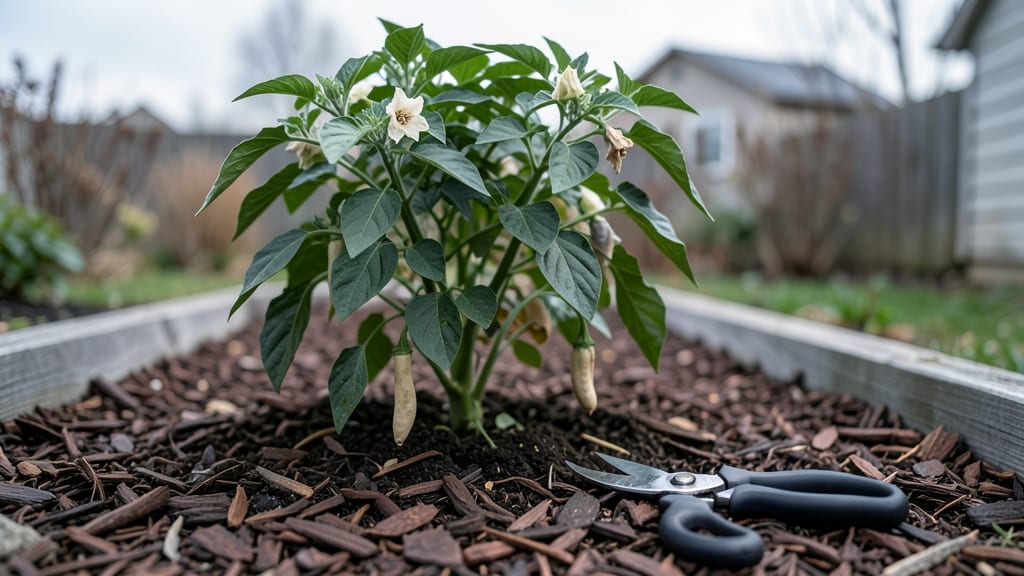
Winterizing pepper plants isn’t just about survival—it’s about saving next summer’s harvest before the first frost. 🌱 I’ve learned the hard way that skipping this step means losing those prized heirloom varieties to cold snaps, and trust me, the disappointment isn’t worth it.
The key is acting at the right time: when nighttime temps dip below 50°F but before hard frost hits.
Start by harvesting every last pepper—yes, even the green ones. Then, prune back the plants to half their size, removing any diseased or damaged foliage. This makes storing them easier and reduces stress on the plant.
For mild climates (Zones 8-10), you might get away with a thick layer of mulch and frost cloth, but colder zones need indoor protection.
With proper care, you’ll wake up next spring to pepper plants that look like they’ve been pampered all winter. The secret is keeping them in a cool, dark spot (like a basement) with just enough light to stay alive—no need for fancy grow lights yet.
Store seeds from your best peppers, and you’ll have a head start on next year’s garden.
Common mistakes? Overwatering before storage or waiting too long to bring plants indoors. Both lead to rot and wasted effort. Follow these steps, and you’ll be the one bragging about your year-round pepper success while neighbors struggle with store-bought substitutes.
📚 In This Guide
- What you need
- Instructions
- Tips and common mistakes
- Wrapping up and next steps
What you need
- ● Garden gloves – A pair to protect your hands from thorns and soil (nitrile or leather works best).
- ● Pruning shears or sharp scissors – Sterilized tools to trim dead foliage and stems (avoid dull blades!).
- ● Organic mulch – 2–3 inches of straw, shredded leaves, or pine needles to insulate roots.
- ● Burlap or frost cloth – A 3x4-foot sheet (or larger, depending on plant size) to wrap around pots or frame over in-ground plants.
- ● Garden twine or zip ties – To secure frost cloth or mulch in place.
- ○ Container or large bucket (optional for potted plants) – If moving plants indoors, a 5–10 gallon container with drainage holes.
- ● Potting mix (if repotting) – A well-draining blend (cactus/succulent mix works for peppers).
- ● Grow lights or LED bulbs – For indoor overwintering (12–14 hours of light/day).
- ● Heating mat – A small one (like those for seed starting) to keep roots warm if indoors.
- ● Aspirin or hydrogen peroxide (3%) – A few drops in water to help stressed plants recover.
- ● Plant tags or markers – To label varieties if saving seeds or tracking heirlooms.
- ● Humidity tray or pebble tray – To maintain moisture if indoors (peppers love humidity!).
Step-by-step guide to winterizing pepper plants
Here's how to protect your pepper plants through cold weather like a pro.
🌱 Step 1: Assess Plant Health Before Winter
Start by examining your pepper plants for any signs of disease or damage. Healthy plants handle winter better, so remove any yellowed or diseased leaves with clean pruning shears. I always check for pests like aphids or spider mites—if you spot them, treat with neem oil before storing. Focus on plants that are fully mature with harvested fruit, as these are the ones most likely to survive winter storage.
Next, trim back any leggy growth or overcrowded branches. You want to keep the plant compact and manageable. This ensures the remaining foliage stays healthy and doesn’t drain energy unnecessarily. If your plants are still producing peppers, let them ripen fully before winterizing—this gives you a bonus harvest before storage.
☀️ Step 2: Gradually Reduce Watering and Fertilizer
About two weeks before the first frost, start cutting back on watering. Pepper plants need less moisture as temperatures drop, so reduce watering to every 3-4 days instead of daily. This helps harden the plants and prepares them for dormancy. Overwatering now can lead to root rot, which weakens the plant and makes it more vulnerable to cold damage.
Stop fertilizing entirely at this point. Fertilizer encourages new growth, which won’t survive the winter. Instead, let the plant focus on conserving energy. You’ll know you’re on the right track when the soil feels slightly dry 1 inch below the surface before watering. This signals the plant is adjusting to reduced moisture.
🪴 Step 3: Choose the Right Winter Storage Method
For pepper plants that aren’t frost-hardy, you have two main options: indoor storage or overwintering in containers. If you’re storing indoors, dig up the plants carefully, keeping as much root ball intact as possible. Shake off excess soil and trim the foliage by about one-third to reduce moisture loss. Let the roots dry slightly before storing in a cool, dark place like a basement or garage.
If you’re overwintering in containers, move the pots to a sheltered location like a garage or unheated greenhouse. Place them on a layer of mulch or straw to insulate the roots from freezing temperatures. In both cases, avoid storing near heating vents or drafty areas—pepper plants need 40-50°F to survive dormancy without stress.
⏰ Step 4: Monitor and Maintain Through Winter
Check your stored pepper plants every 2-3 weeks for signs of rot, mold, or pests. If you notice any issues, remove affected parts immediately to prevent spread. Keep the storage area humid but not damp—mist the leaves lightly if they look too dry. Overwintered plants in containers should be watered sparingly, only when the top 1 inch of soil feels dry.
In late winter, around 6-8 weeks before your last frost date, start preparing to bring your pepper plants back outdoors. Gradually increase their exposure to light and warmer temperatures to avoid shocking the plants. If you’re overwintering in containers, move them to a brighter location indoors first. This transition period helps the plants adjust and ensures a smoother start to the next growing season.
Tips & tricks for perfect pepper plant winterization
Winterizing pepper plants doesn’t have to be a guessing game—these pro tips will help you save your harvest without losing your sanity.
Pest Prevention: Before storing, give your plants a final inspection for hidden pests like spider mites or aphids. I’ve learned the hard way that a few overlooked eggs can turn into a full-blown infestation during winter storage. If you spot any, treat with neem oil one last time, then let the plants dry completely before storing. This extra step makes all the difference when you’re ready to bring them back outdoors in spring.
Storage Humidity Balance: Pepper plants need just the right amount of moisture during dormancy—too dry and they’ll crisp up, too damp and you’ll get mold. In Step 3, when you’re prepping plants for storage, mist the leaves lightly before placing them in containers or wrapping them. Then, every 2-3 weeks during storage, give them another quick mist. Think of it like giving them a drink of water without drowning them—just enough to keep the leaves from drying out completely.
Container Insulation: If you’re overwintering pepper plants in containers, don’t just move them to a garage or shed—give their roots some extra protection. Place the pots on a thick layer of straw or mulch to insulate them from temperature swings. I’ve seen roots freeze even in unheated garages when pots sit directly on concrete floors. This simple layer can mean the difference between a thriving plant and a sad, frozen mess come spring.
Spring Transition Strategy: That 6-8 week window before your last frost date is critical for bringing your pepper plants back to life. Start by moving them to a brighter indoor spot, like a sunny windowsill, about 2 weeks before you plan to replant. Gradually increase their time outside during mild days, shielding them from direct sun at first. This slow acclimation helps prevent shock—your plants will thank you with vigorous new growth instead of wilting dramatically.
Pro Tips for Winterize Pepper Plants
- Winterizing pepper plants doesn’t have to be a guessing game—these pro tips will help you save your harvest without losing your sanity.
- Pest Prevention: Before storing, give your plants a final inspection for hidden pests like spider mites or aphids.
- Storage Humidity Balance: Pepper plants need just the right amount of moisture during dormancy—too dry and they’ll crisp up, too damp and you’ll get mold.
Frequently asked questions
Got questions about winterizing your pepper plants? You’re not alone! Here are some of the most common concerns—and their straightforward solutions—to keep your peppers thriving through the cold months.
When is the best time to start winterizing pepper plants?
Begin preparing your pepper plants for winter before the first frost hits—typically 2–4 weeks ahead in cooler climates. If you’re moving them indoors, wait until nighttime temperatures drop below 50°F (10°C). For container plants, act sooner, as they’re more vulnerable to cold. Pro tip: Monitor your local frost date and adjust accordingly!
Can I leave pepper plants in the ground over winter?
Only in USDA Zones 9–11 or warmer, where winter temps rarely dip below 30°F (-1°C). In colder zones, mulch heavily (6+ inches of straw or leaves) and protect with frost cloth. Otherwise, dig up plants or relocate containers indoors. Pro tip: Avoid burying plants—this can rot roots!
How do I winterize pepper plants indoors?
Move potted peppers to a sunny, cool spot (60–65°F / 15–18°C) with 12+ hours of light. Reduce watering (let soil dry slightly between waterings) and fertilize lightly every 4–6 weeks. Prune dead leaves and watch for pests like spider mites. Pro tip: Use a grow light if natural light is limited!
What if my pepper plants are already dormant or dead?
Don’t worry—you can still save them! Check for green shoots or roots; if present, trim dead growth and repot in fresh soil. If completely dead, compost the plants and start fresh in spring. For container plants, store empty pots in a dry place until replanting season. Pro tip: Soak roots in water for 10 minutes before repotting to revive them!
Are there alternatives to winterizing if I don’t have space indoors?
Yes! Try these space-saving options:
- Cold frames: Extend the season by 4–6 weeks in mild climates.
- Greenhouses: Protect plants from frost while allowing sunlight.
- Underground storage: Bury pots in insulated boxes (like Styrofoam) in a root cellar or garage.
- Companion planting: Group peppers with cold-hardy herbs (like thyme) for shared protection.
Wrapping up and next steps
Winterizing your pepper plants doesn’t have to be stressful—with the right prep, you can protect your harvest and even extend their life for next year’s garden.
Whether you’re moving them indoors, mulching heavily, or storing seeds, these steps ensure your peppers survive the cold and thrive again in spring. You’ve got this!
Now that you’re armed with frost-proof tricks, take action before the first freeze hits. Check your local frost dates, gather supplies, and give your peppers the cozy care they deserve. Happy winter gardening! 🌱❄️