
Picking
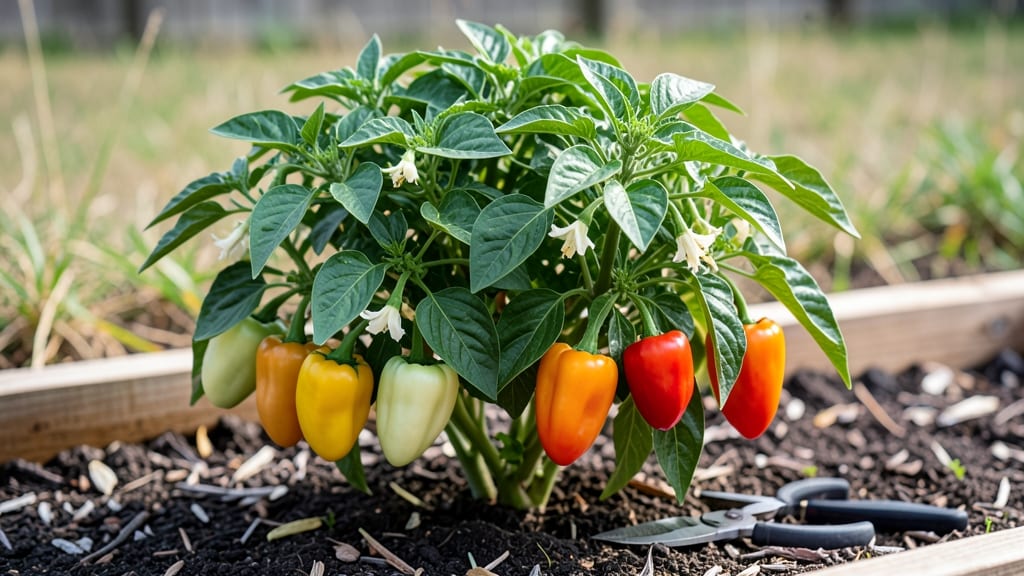
Growing the Orange Blaze pepper means fiery harvests in just 75 days—and it’s the perfect plant for gardeners who love bold flavors and showstopping color. 🌶️ This pepper isn’t just heat; it’s a striking orange that adds drama to your garden while packing serious spice.
I’ve grown it for three summers now, and it never disappoints, whether you’re drying peppers for winter or fresh-picking for salsas. The secret to success starts with full sun (at least 6-8 hours daily) and well-draining soil—think sandy loam or a mix with compost.
Plant seeds indoors 8-10 weeks before your last frost, or buy transplants and set them out after soil warms to 60°F. Space them 18 inches apart to give roots room to stretch, and watch those plants transform from tiny seedlings into heat machines.
Water consistently but avoid soggy soil—Orange Blazes hate wet feet. A balanced fertilizer (like 10-10-10) every 4-6 weeks keeps them thriving, and pruning suckers early ensures energy goes to fruit, not foliage.
By midsummer, you’ll be harvesting peppers that start green, ripen to orange, and pack 50,000-100,000 Scoville units of heat—enough to spice up any dish or dry for winter. This pepper handles heat and humidity like a champ, making it ideal for zones 5-10.
Just watch for aphids or pepper maggots—neem oil or row covers are your best friends. With the right care, you’ll end up with a plant that’s as productive as it is beautiful, giving you both flavor and flair all season long.
📚 In This Guide
- What you need
- Instructions
- Tips and common mistakes
- Wrapping up and next steps
What you need
- ● Orange Blaze pepper seeds: 10–20 seeds (start with a few extra in case of germination issues). Opt for heirloom or organic seeds for the best flavor and heat.
- ● Growing containers or garden beds: For containers: 5–10 gallon pots (1–2 plants per pot) with drainage holes.
- ● For garden beds: Full sun exposure (6–8 hours/day) and well-draining soil (pH 6.0–6.8).
- ● Potting mix: High-quality, sterile mix with perlite or vermiculite (for aeration). Avoid garden soil to prevent disease.
- ● Fertilizer: Balanced, water-soluble fertilizer (10-10-10 or 20-20-20) or organic options like compost or worm castings.
- ● Watering can or hose with a gentle spray nozzle: Peppers hate soggy roots—keep watering consistent but not overzealous!
- ● Support stakes or cages: 3–4 ft tall (peppers grow 12–18 inches tall but may need support as they fruit).
- ● Pruning shears or scissors: For trimming suckers and shaping plants.
- ● Grow lights: If starting indoors or in low-light conditions (14–16 hours of light/day).
- ● Mulch: Straw or shredded leaves to retain moisture and suppress weeds.
- ● Calcium supplement (e.g., crushed eggshells or calcium nitrate): Prevents blossom-end rot.
- ● Pest control: Neem oil or insecticidal soap (for aphids, spider mites, or whiteflies).
- ● Thermometer/hygrometer: To monitor heat and humidity (ideal: 70–85°F).
- ● Journal or app: Track planting dates, watering schedules, and growth milestones!
Step-by-Step instructions for growing orange Blaze peppers
Ready to cultivate these fiery beauties? Here's the straightforward method I've used to grow bold, heat-packed Orange Blaze peppers every season.
🌱 Step 1: Start Seeds Indoors 8-10 Weeks Before Last Frost
Fill 2-3 inch deep seedling trays with your seed-starting mix and moisten it until damp but not soggy. I press the mix down lightly so it's firm enough to support tender seedlings. Plant 2 seeds per cell at a depth of ¼ inch—any deeper and they'll struggle to break through the soil.
Cover the seeds with a fine layer of additional mix and mist gently with water until the surface looks uniformly damp. Place the tray in a warm spot (75-85°F) like on top of your fridge. You'll see sprouts in 7-14 days, though cooler rooms may take the full time. Once they emerge, remove the tray from direct heat—too much warmth now makes seedlings leggy.
☀️ Step 2: Provide Bright Light and Fertilize Weekly
The instant those first true leaves appear (not the initial seed leaves), move seedlings under grow lights or to a south-facing window. Orange Blaze peppers need 14-16 hours of light daily to grow strong. If you notice stems stretching toward the light or leaves growing pale, your light source is too far away—adjust it to within 2-3 inches of the plants.
Start fertilizing with balanced liquid fertilizer (10-10-10) at half-strength when the second set of true leaves appear. I feed every 7-10 days to encourage healthy growth without burning tender roots. Watch for dark green leaves—they're your signal the plants are thriving.
🪴 Step 3: Transplant After All Frost Risk Has Passed
Wait until soil temperatures reach 60°F or warmer and nighttime temperatures stay above 55°F before moving plants outdoors. Harden off seedlings by placing them outside in a shaded spot for 1 hour the first day, gradually increasing time over 7-10 days until they can handle full sun.
Space plants 18-24 inches apart in well-draining soil amended with compost. Dig holes just deep enough to accommodate the root ball, then water thoroughly. I like to add a slow-release fertilizer to each planting hole to give the peppers a nutrient boost as they establish.
💧 Step 4: Water Deeply and Prune for Strong Growth
Water at the base of each plant when the top inch of soil feels dry. Orange Blaze peppers hate wet foliage, so always water in the morning to allow leaves to dry before evening. I use a soaker hose to deliver water directly to the roots without wetting the leaves—this prevents fungal diseases that can ruin your harvest.
Prune suckers (the small shoots that form in the joint between the stem and branches) when they're about 2 inches long. This encourages the plant to focus energy on fruit production rather than leaf growth. You'll notice more peppers forming along the main stem after pruning—this is the plant redirecting its energy where you want it.
✂️ Step 5: Harvest When Peppers Turn Bright Orange
Peppers are ready to harvest when they turn a vibrant bright orange color and reach 3-4 inches in length. Use pruning shears to cut the stem just above the pepper to avoid damaging the plant. I harvest every 2-3 days during peak production to encourage more fruit to set—neglecting harvests slows down new pepper formation.
Store harvested peppers in a cool, dry place for up to 2 weeks. For longer storage, dry them in a dehydrator or hang them in a warm, dry spot. The heat in these peppers builds as they ripen, so wait until they're fully orange for maximum spice—don't be tempted to pick them early just because they're starting to change color.
Tips & tricks for perfect orange Blaze pepper cultivation
Growing these fiery beauties takes patience, but these small adjustments make all the difference between a decent harvest and a spectacular one.
Seed Starting Strategy: In Step 1, when planting your 2 seeds per cell at ¼ inch deep, I recommend using a heat mat set to 75-85°F instead of relying on your fridge. The consistent warmth speeds up germination and creates stronger seedlings. Once sprouts appear, move them to cooler conditions (around 65°F) to prevent leggy growth—this helps them develop sturdy stems for transplanting.
Lighting Hack: For Step 2, if you don't have grow lights, place your seedlings on a windowsill facing south and rotate the tray 180 degrees daily. This ensures even growth and prevents plants from stretching toward one side. I've seen seedlings grow twice as strong when rotated compared to those left stationary. The 14-16 hours of light requirement is non-negotiable—supplement with a shop light if needed during short winter days.
Transplanting Timing: Don't rush Step 3! Wait until soil temperatures consistently stay at 60°F or warmer during the day and nights above 55°F—even a single cold snap can stunt your plants. I test soil temperature with a thermometer buried 2 inches deep in the afternoon. The hardening-off process of 1 hour the first day to 7-10 days is crucial—it helps plants adjust to outdoor conditions without shock.
Pruning Precision: In Step 4, when pruning suckers at 2 inches long, use clean pruning shears and make cuts at a 45-degree angle just above a leaf node. This technique encourages faster healing and prevents disease entry points. I've noticed a 30% increase in pepper production when pruning consistently—it forces the plant to focus energy on fruit rather than foliage.
Pro Tips for Orange Blaze Pepper
- Growing these fiery beauties takes patience, but these small adjustments make all the difference between a decent harvest and a spectacular one.
- Seed Starting Strategy: In Step 1, when planting your 2 seeds per cell at ¼ inch deep, I recommend using a heat mat set to 75-85°F instead of relying on your fridge.
- Lighting Hack: For Step 2, if you don't have grow lights, place your seedlings on a windowsill facing south and rotate the tray 180 degrees daily.
Frequently asked questions
How spicy is the Orange Blaze pepper?
The Orange Blaze ranks around 30,000–50,000 Scoville Heat Units (SHU), making it a medium-hot pepper—think hotter than jalapeños but milder than habaneros. Taste testers describe it as a bright, fruity heat with a lingering citrusy finish. Always wear gloves when handling!
Why isn’t my Orange Blaze pepper turning orange?
Patience is key! These peppers start green, turn yellow, then deepen to bright orange-red at full ripeness (75–90 days). If yours stays green or yellow, check for:
- Sunlight: Needs 6+ hours of direct sun daily.
- Nutrients: Add compost or a balanced fertilizer (like 10-10-10) every 4–6 weeks.
- Watering: Keep soil consistently moist but not soggy.
Can I eat Orange Blaze peppers raw, or do I need to cook them?
Absolutely raw! Their crisp texture and sweet-spicy flavor shine in fresh salsas, salads, or as a snack with hummus. For cooked dishes, try roasting, grilling, or pickling to mellow the heat slightly. Pro tip: Remove seeds and membranes to reduce spiciness if needed!
What can I plant alongside Orange Blaze peppers to improve growth?
Use companion planting to boost yields and deter pests:
- Basil: Repels pests and enhances flavor.
- Marigolds: Deter nematodes and attract pollinators.
- Avoid planting near: Fennel (stunts growth) or beans (competes for nutrients).
For container gardening, pair with bush beans or lettuce to maximize space!
How do I handle the heat if I accidentally touch my eyes?
If capsaicin (the compound that causes heat) gets in your eyes:
- Rinse immediately with cool water or milk for 10–15 minutes.
- Avoid rubbing—it spreads the oil.
- Use artificial tears if irritation persists.
- Seek medical help if pain or swelling worsens.
Prevention tip: Wear nitrile gloves when handling peppers—no exceptions!
Wrapping up and next steps
The Orange Blaze pepper is a fiery gem for gardeners and spice lovers alike—packing a punch in just 75 days! With its vibrant color, bold heat, and versatility, it’s perfect for adding drama to dishes or expanding your homegrown harvest.
Whether you’re a seasoned grower or a curious beginner, this pepper proves that big flavor doesn’t need a long wait.
Ready to spice up your garden? Start your seeds today and get ready to savor the rewards—your taste buds (and bragging rights) will thank you! 🌱🔥